(DISCLAIMER: I am not a doctor, and you should consult your healthcare professional before starting any health regimen.)
Key Takeaways
- Cleavers herb is best known for traditional support of lymph flow, gentle fluid movement, and skin wellness.
- People often use it as a tea, tincture, or fresh infusion, because fresh cleavers is widely seen as the strongest form.
- Most claimed benefits come from long herbal use, with only limited early research to support them.
- Safety still matters, especially for anyone who is pregnant, nursing, taking medicines, or living with kidney concerns.
- Cleavers may be helpful as part of a wellness routine, but it isn’t a cure-all.
In spring, cleavers seems to appear everywhere, catching on pant legs, socks, and pet fur like green Velcro. That clingy little weed is more than a backyard nuisance. For a long time, herbalists have turned to cleavers herb for gentle wellness support, especially when the body feels heavy, puffy, or out of balance.
Cleavers, or Galium aparine, is a wild plant often used to support the lymphatic system and healthy urinary flow. People also reach for it when skin looks troubled. If you enjoy simple plant remedies, articles on top teas for digestion support can fit well alongside herbs like cleavers. This guide focuses on practical, evidence-aware benefits, not hype.
What cleavers herb is and why herbalists value it
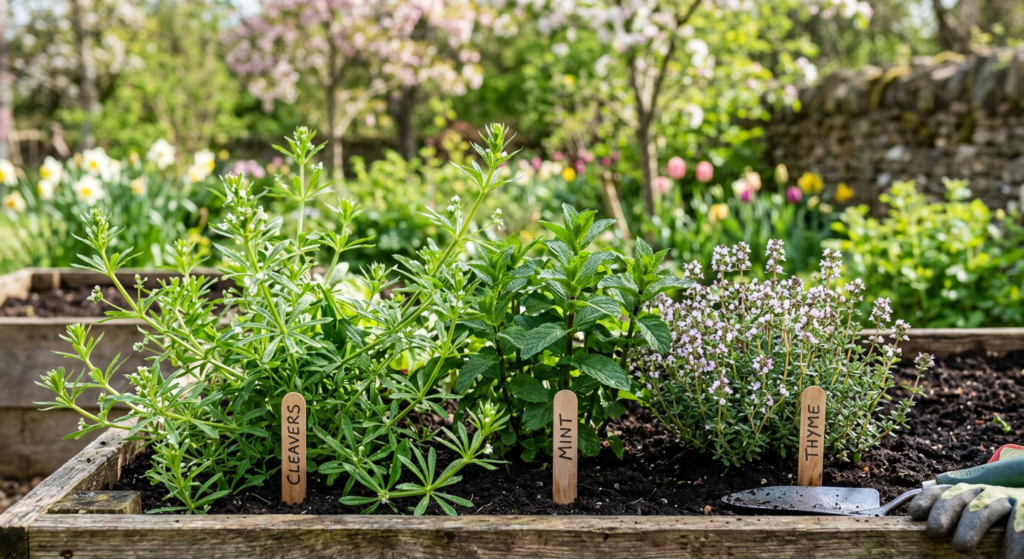
Cleavers is a soft, scrambling plant with thin stems, narrow leaves, and tiny hooked hairs. Those hairs help it cling to almost anything it touches. Once you know that texture, you won’t forget it. It often grows in hedges, gardens, paths, and damp edges of fields.
Herbalists have valued cleavers for generations because it has a gentle reputation. In traditional practice, it’s often described as cooling and moistening. That means people tend to reach for it when they feel overheated, dry, swollen, or stagnant. Spring is a common time to use it, partly because the fresh plant is easy to find and partly because seasonal wellness routines often focus on lightness and movement.
Still, tradition is not the same as proof. Folk use helps explain why cleavers remains popular, but it doesn’t confirm every claim made about it.
A quick look at cleavers in traditional herbal use
In folk herbalism, cleavers is most often linked to the lymphatic system, urinary flow, and minor skin issues. Many herbalists describe it as a plant that helps things move when the body feels bogged down.
Fresh cleavers is often preferred over dried herb. That’s because many practitioners feel it loses some of its character after drying. Fresh juice, fresh tincture, and cool infusions are common choices when the plant is in season.
Traditional use can point to a plant’s value, but it doesn’t replace strong research or personal medical care.
The most talked-about cleavers herb benefits
People searching for cleavers herb benefits usually want one thing, a clear sense of what it may help support in real life. The best way to view this herb is as a gentle helper, not a fixer.
May support healthy lymph flow and gentle detox pathways
The lymphatic system acts like part of the body’s fluid-cleaning network. It helps move waste, supports immune function, and carries fluid back into circulation. Unlike blood, lymph doesn’t have a pump like the heart. It depends on movement.
Cleavers has a long reputation as a lymphatic herb. Herbalists often suggest it when someone feels sluggish, mildly swollen, or generally puffy. That’s one reason it shows up so often in spring routines. The idea isn’t that cleavers “cleanses” the body in some dramatic way. Instead, it’s traditionally used to gently support normal fluid movement.
For some people, that feels like a small reset, like opening a window in a stuffy room.
May help with mild water retention and urinary comfort
Cleavers is also known in traditional use as a mild diuretic. In plain terms, that means it may encourage the body to move fluids more freely. For someone dealing with occasional puffiness, that can be appealing.
This doesn’t mean cleavers treats urinary tract infections, kidney disease, or serious swelling. Those need proper care. Still, for mild and occasional fluid retention, cleavers tea or tincture may fit into a simple home wellness routine.
Because the action is considered gentle, many people find it easier to tolerate than harsher herbs. That softer feel is part of its appeal.
May support clearer, calmer skin from the inside out
Skin often reflects what’s going on beneath the surface. In herbal traditions, congested or irritated skin is sometimes viewed alongside sluggish lymph or poor fluid movement. That’s where cleavers enters the picture.
People have long used it when skin looks rough, blotchy, or easily irritated. The herb isn’t a magic eraser. Yet it may support the body’s normal clearing processes, which can sometimes show up as calmer-looking skin over time. If skin-focused plant care interests you, this guide to myrtle oil for skin wellness offers another gentle natural option.
The main point is balance. Cleavers is less about forcing change and more about nudging the body toward smoother function.
How to use cleavers herb safely and get the most from it
Cleavers isn’t hard to use, but the form matters. So does common sense. A gentle herb can still be the wrong fit for the wrong person.
Tea, tincture, or fresh juice, which form makes sense
Tea is the easiest place to start. Many people brew cleavers as an infusion, often using fresh herb when possible. The taste is mild, green, and slightly grassy, so it’s easy to drink alone or blend with other herbs.
Tincture is more concentrated and more convenient. If you don’t have access to fresh cleavers, a well-made tincture may be the simplest option. It stores well and takes only a small amount at a time.
Fresh juice or a fresh infusion is often the favorite among herbalists. That’s because cleavers is widely thought to lose some strength once dried. If you harvest it yourself, use it soon after picking.
In simple terms:
- Tea feels approachable and gentle for daily use.
- Tincture offers convenience and concentration.
- Fresh preparations are often prized most when available.
However you use it, start simple. One herb, one form, and a small amount is usually enough at first.
Who should be careful with cleavers herb
Cleavers may be mild, but mild doesn’t mean risk-free. If you’re pregnant or nursing, talk with a qualified healthcare professional before using it. The same goes for anyone taking prescription diuretics or medicines that affect fluid balance.
People with kidney problems should also get medical guidance first. A herb that influences fluid movement may not be appropriate in that setting.
If you’re gathering wild cleavers, correct identification matters. Plenty of plants grow in a tangle, and not all of them belong in a tea mug. Harvest only from clean areas, away from roadsides or sprayed lawns.
Also, stop use if it doesn’t agree with you. Your body usually gives honest feedback.
A balanced final word on cleavers herb benefits
Cleavers is a humble plant with a long record in traditional herbal care. People value it most for lymph support, gentle fluid movement, and skin wellness support. While research is still limited, its mild nature and long history keep it in many herbal routines. Start with a simple preparation, choose quality herbs, and keep expectations grounded. If you have health concerns or take medication, check with a trusted professional before making it part of your routine.
Stay Connected for More Natural Living Inspiration
If you enjoyed this post about herbal wellness and love discovering natural ways to refresh your home and wellness, don’t miss out on future recipes and clean-living tips! Subscribe to the blog for weekly DIYs, wellness inspiration, and herbal remedies delivered straight to your inbox.
Don’t forget to visit my LinkTree for the links to my favorite essential oils, herbal teas, natural recipes, YouTube ambiance videos for sleeping; a project I created to help with insomnia symptoms and the second channel, Rooted in Nature YouTube Channel both channels feature herbal recipes for wellness and home.
Thanks for coming by
