
(DISCLAIMER: I am not a doctor, and you should consult your healthcare professional before starting any health regimen.)
Key Takeaways
- Some herbs have better evidence for mild day-to-day anxiety and restless sleep than others.
- Herbs can support calm, but they won’t fix every cause of anxiety.
- Safety matters, especially with medications and alcohol, and during pregnancy.
- Start with one herb, one form, and track how you feel for a week.
Steam curls off a mug, warm and soft against your face. The air carries a hint of lavender, like clean sheets drying in the sun.
If anxiety has been hovering lately, you’re not alone. Herbal remedies for anxiety can feel like a small hand on your shoulder, steadying, not forcing. Still, anxiety has many causes, from stress and sleep loss to hormones and grief, so herbs work best as part of a bigger plan that includes sleep, movement, and slow breathing.
Herbs that may ease anxiety, and what the research really says
Herbs don’t all work the same way. One may help a tight chest and a busy mind, while another mostly helps sleep. Research also varies by herb, by product (tea vs extract), and by the symptom you want to change (worry, tension, or insomnia).
Most people notice subtle shifts first. You might feel less “jittery” after a stressful meeting. Or you may fall asleep with fewer mental reruns at night. Think mild to moderate support for some people, not a switch that flips everything off.
Form matters, too. Tea brings comfort plus gentle plant compounds. Tinctures and capsules can be more consistent, but they also make it easier to take too much. If you love tea rituals, you may also like these 10 soothing herbal teas for anxiety relief as a simple starting point.
One more safety note before we get specific: if you’re pregnant, nursing, or taking medications, talk with a clinician or pharmacist before trying new herbs.
Lavender, lemon balm, chamomile, and passionflower for daily calm
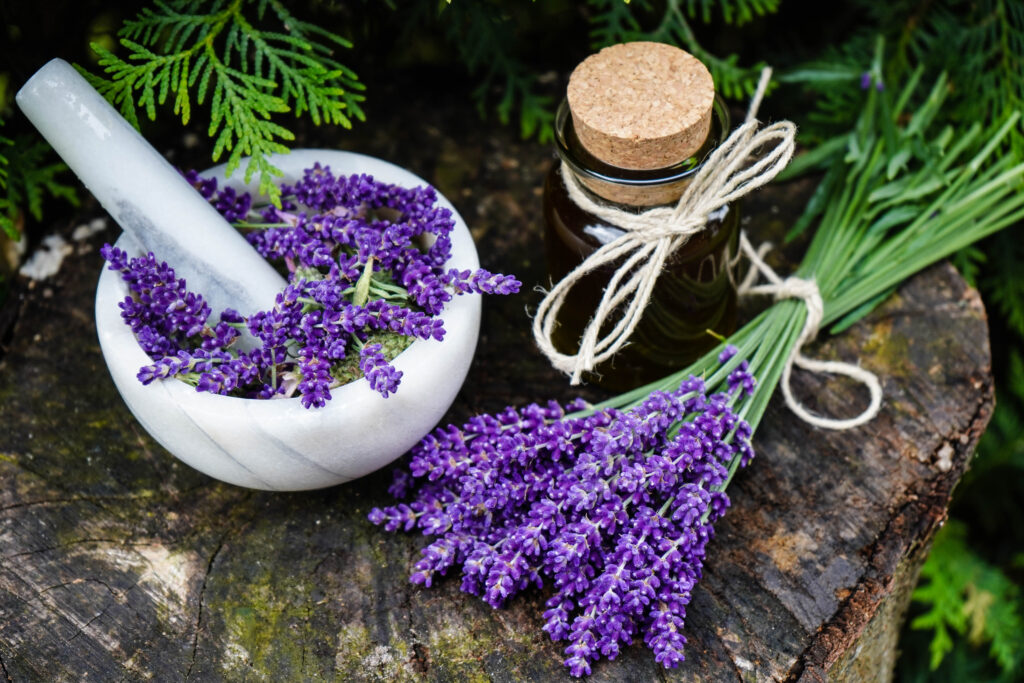
Lavender often shines when your body feels keyed up. Some people use it as tea, while others prefer aromatherapy. Ingestion is not the same as diffusing, so choose products made for the method you’re using, and follow label directions.
Lemon balm tends to suit daytime worry, especially when your thoughts keep tapping your shoulder. Many people like it as a tea after lunch, or as an extract when they want a more predictable effect. Start low, because it can make a few people feel a bit drowsy.
Chamomile is the classic “exhale” herb. It’s often best in the evening, or during a tense day when you can afford to slow down. Tea is the usual form, and the first thing people notice is a softer edge, especially before bed.
Passionflower is often used when the mind won’t quiet down at night. Tea and extracts are both common, and it’s frequently paired with other calming herbs. Some people feel relaxed without feeling heavy, while others get sleepy, so plan your first try when you don’t need to drive.
Ashwagandha, rhodiola, and holy basil when stress feels constant
When stress feels like a long season instead of a single storm, people often reach for “stress-support” herbs like ashwagandha, rhodiola, and holy basil (tulsi). These are sometimes called adaptogens, and they’re usually taken daily for a few weeks, not just once.
Ashwagandha feels grounding for many, especially when stress messes with sleep. Still, it may not fit everyone. People with thyroid issues, autoimmune concerns, or a history of bipolar symptoms should be careful, and get professional guidance.
Rhodiola can feel more energizing. For some, that’s a relief, like opening a window in a stuffy room. For others, it feels too wired, especially if you’re sensitive to caffeine or stimulants.
Holy basil sits somewhere in the middle for many people. It’s often taken as tea, and it can feel soothing without knocking you out. Try short trials with breaks, and track mood, sleep, and irritability so you can spot patterns early.
A helpful rule: change one thing at a time. One herb, one form, one week of notes.
How to use herbal remedies safely, without guessing or mixing the wrong things
Herbs can be gentle, but “gentle” doesn’t mean “risk-free.” The biggest problems usually come from mixing too many calming products, using unclear blends, or assuming natural equals safe.
Start with your goal. Are you trying to take the edge off daytime tension, or are you trying to sleep? Choose one herb that matches that goal, then stick with it long enough to judge it. Many teas feel noticeable the first day. Capsules and extracts may take longer to feel consistent.
Also, watch for layered sedation. Mixing sedating herbs with sleep medications, alcohol, or even some antihistamines can leave you groggy, unsteady, or foggy the next morning. If that happens, stop and reassess.
If you notice hives, swelling, wheezing, severe dizziness, a racing heart that scares you, or mood changes that feel extreme, stop the herb and get medical advice.
Who should be extra careful, and common medication interactions to know
Some groups should be cautious and get guidance first:
- Pregnant or breastfeeding people
- Children and teens
- Older adults (especially with fall risk)
- Anyone with liver or kidney disease
- People with surgery coming up
- Anyone taking prescription anxiety or sleep medications
Medication interactions can be simple or serious. Be extra careful if you take SSRIs or SNRIs, benzodiazepines, sleep medications, blood thinners, or thyroid medications. When in doubt, ask a pharmacist. They’re often the fastest, most practical resource.
Quality matters: choosing teas, tinctures, and capsules you can trust
Quality can make the difference between a soothing cup and a mystery bag of dust. Look for products with clear Latin plant names, the plant part used (leaf, flower, root), and straightforward directions.
For capsules and tinctures, third-party testing is a good sign, because it helps confirm what’s inside. With tinctures, check alcohol content so you’re not surprised by the taste or effects. Avoid “proprietary blends” that hide amounts, because you can’t tell what you’re reacting to.
Store dried herbs in a cool, dark place. Fresh herbs smell alive and look like their plant, not gray and faded. And remember, “natural” doesn’t always mean safe.
A simple, soothing routine you can start tonight
Anxiety often shrinks when your senses get kind, consistent signals. Your nervous system learns by repetition, like a path pressed into grass. So instead of chasing the perfect herb, build a small routine that feels safe and easy to repeat.
Keep it cozy. Choose a mug you like. Put the kettle on before you’re desperate. Then pair the herb with one calm habit, like slow breathing, dim light, or a short journal note. If you enjoy scent, add it as a gentle cue, not a strong blast.
If you want an aromatherapy angle, sweet marjoram is one of those warm, herbal scents that many people find comforting. Here’s a practical guide to the calming benefits of marjoram essential oil and ways people use it at home.
Tea-and-breath reset for daytime worry
Set a timer for 10 minutes and keep it simple:
- Brew lemon balm or chamomile tea, then sit somewhere with your feet on the floor.
- Breathe in for four counts, out for six, for five slow rounds.
- Do a quick grounding scan: name five things you see, four you feel, three you hear, two you smell, and one you taste.
If scent helps, add a tiny cue like lavender on a tissue nearby. Skip skin application if you’re sensitive. Also, if the tea makes you sleepy, don’t drive or do risky tasks.
Bedtime blend for a quieter mind, plus a 7-day check-in
At night, choose one calming tea, chamomile or passionflower works for many. Then keep your wind-down the same each evening: dim lights, a warm shower, and a three-line journal (what went well, what felt hard, what you’ll do tomorrow).
For seven days, jot three quick notes each morning: when you fell asleep, how many times you woke up, and your mood on waking. “Good enough” improvement can be small, like falling asleep 15 minutes faster, or waking with less dread.
If you feel headaches, stomach upset, vivid dreams that bother you, or next-day grogginess, switch to a gentler herb, lower the amount, or stop.
Conclusion
Anxiety is common, and change often comes in inches, not leaps. The safest next step is also the simplest: pick one herb, choose one form (tea is a friendly start), begin low, and track how you feel for a week. Keep the bigger supports рядом too, steady sleep, daily movement, and a few slow breaths when your shoulders creep upward.
Seek help right away for panic that feels unmanageable, thoughts of self-harm, chest pain, or severe symptoms. Then, when you can, come back to the small comfort of steam rising from a cup, and a quiet scent in the air.
Stay Connected for More Natural Living Inspiration
If you enjoyed this post about herbal wellness and love discovering natural ways to refresh your home and wellness, don’t miss out on future recipes and clean-living tips! Subscribe to the blog for weekly DIYs, wellness inspiration, and herbal remedies delivered straight to your inbox.
Don’t forget to visit my LinkTree for the links to my favorite essential oils, herbal teas, natural recipes, YouTube ambiance videos for sleeping; a project I created to help with insomnia symptoms and the second channel, Rooted in Nature YouTube Channel.
Thanks for coming by!
