
(DISCLAIMER: I am not a doctor, and you should consult your healthcare professional before starting any health regimen.)
Key Takeaways
- Rhodiola rosea is a mountain herb often used for stress support, fatigue, and mental stamina.
- It’s commonly grouped with adaptogenic herbs, which may help the body handle stress more smoothly.
- Early research is promising but mixed, partly because studies use different extracts and doses.
- People usually buy it as capsules, tinctures, teas, or standardized extracts.
- Many take rhodiola earlier in the day because it can feel mildly stimulating.
- Mild side effects can include jitteriness, headache, dry mouth, or upset stomach.
- People who are pregnant, breastfeeding, take certain medicines, or have bipolar disorder should be extra careful.
High in cold, rocky mountains, rhodiola rosea grows where many plants would give up. Its thick root has a long history in traditional use, especially in places where harsh weather and hard work shaped daily life. Today, people often reach for it in hopes of easing stress, lifting mental fog, and supporting steady energy.
Still, rhodiola isn’t a magic fix. It won’t replace sleep, good meals, or a calmer schedule. What it may do is offer gentle support in the right setting. This guide explains what rhodiola rosea is, what research suggests, and how to use it with care.
What rhodiola rosea is, and why people use it for stress and energy
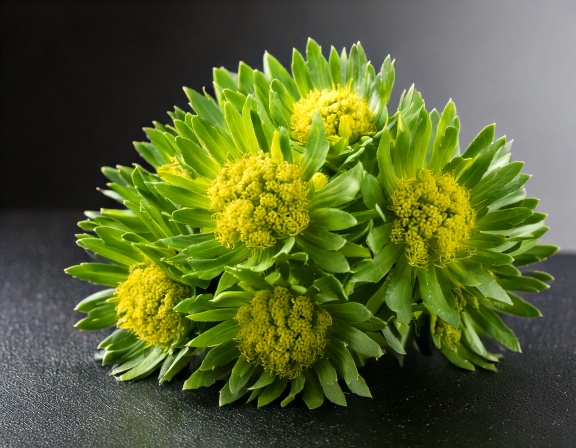
Rhodiola rosea is a flowering plant that grows in cold regions of Europe and Asia. The root is the part most often used. Because it survives in rough, high-altitude places, it has earned a reputation as a hardy herb for hard seasons.
People often call rhodiola an adaptogen. In simple terms, that means it may help the body respond to stress in a more balanced way. That idea appeals to people who feel worn thin, mentally tired, or stretched by busy days.
Its root contains plant compounds, including rosavins and salidroside. You don’t need to memorize those names, but you may see them on supplement labels. They matter because many products use them to describe extract strength or standardization.
Rhodiola has become popular in wellness circles because it sits in an interesting middle ground. It isn’t a sedative, yet it’s not usually taken for a jolt like caffeine. Think of it more like a steadying hand than a loud wake-up call.
A quick look at how this mountain root may work in the body
The adaptogen idea can sound fuzzy, so it helps to keep it simple. Rhodiola may help the body manage physical and mental stress with less strain. In other words, it may support your stress response rather than erase stress itself.
Early research suggests rhodiola may affect stress signaling, energy use, and mental performance. Some studies also suggest it may help reduce feelings of fatigue, especially during stressful periods. Still, results can vary from person to person.
Rhodiola may help some people feel less drained, but it works best with realistic expectations.
That matters because herbs often act more like gentle nudges than dramatic switches. If your tank is empty from poor sleep and nonstop stress, no herb can do all the lifting alone.
The benefits people talk about most, and what research actually says
The most common reasons people try rhodiola are stress, mental fatigue, focus, and mood support. Some also use it for physical stamina. Traditional use and modern interest overlap here, but they aren’t the same as proof.
For stress, the evidence is encouraging but not final. Some studies suggest rhodiola may help people feel less worn down during stressful times. That doesn’t mean it treats anxiety disorders, but it may support a calmer sense of coping in some users.
For mental fatigue and focus, research is also promising. People under work strain, study pressure, or general burnout may notice better alertness or less brain fog. However, not every study finds the same result.
Physical endurance is another area of interest. Some small studies suggest rhodiola may support exercise performance or recovery from fatigue. Yet the effect seems modest, not dramatic.
Mood support gets a lot of attention too. A few studies hint that rhodiola may help with low mood linked to stress or exhaustion. Still, study quality varies, and products differ widely. Because extracts, doses, and trial designs are not uniform, it’s hard to compare findings side by side.
How to choose rhodiola rosea and use it safely
Capsules, tinctures, teas, and extracts, what to look for when buying
Rhodiola comes in several forms, including capsules, powders, tinctures, and teas. Capsules and standardized extracts are the most common because they’re easier to measure. Tea is gentler, though it may not match the strength used in studies.
When shopping, check the label closely. Some products list standardized levels of rosavins and salidroside. That can help you compare formulas, although it still doesn’t guarantee the same effect for everyone.
Quality matters a lot with herbal supplements. Choose reputable brands, and look for third-party testing when possible. That extra step can help confirm identity and purity.
If your goal is stress care in a broader, softer routine, pair rhodiola with calming habits. For example, these 10 soothing herbal teas for anxiety can fit nicely into an evening wind-down.
Best time to take it, common dose ranges, and simple beginner tips
People often take rhodiola earlier in the day because it may feel mildly stimulating. Morning or early afternoon tends to make the most sense. Taking it too late may not suit people who are sensitive.
Study doses vary a lot, and so do extracts. Because of that, there’s no one-size-fits-all amount that fits every product. Follow the label, and if your clinician agrees, start with a lower amount rather than rushing in.
Some people notice effects within days, especially for mental fatigue. Others need a few weeks to judge it fairly. Keep expectations steady, and change only one thing at a time so you can tell what’s helping.
Side effects, drug interactions, and when to skip rhodiola rosea
Rhodiola is often well tolerated, but mild side effects can happen. Some people report jitteriness, headache, dry mouth, dizziness, or stomach upset. If a product feels too stimulating, timing or dose may be part of the issue.
It may not be the right fit for everyone. People who are pregnant or breastfeeding should avoid self-starting it unless a qualified clinician says otherwise. The same caution applies to people with bipolar disorder or anyone sensitive to stimulating products.
Drug interactions matter too. Rhodiola may not mix well with certain antidepressants, blood pressure medicines, diabetes medicines, or other products that affect energy, mood, or alertness. If you have a health condition or take medication, talk with a qualified healthcare professional before trying it.
When rhodiola rosea makes sense in a natural wellness routine
Rhodiola makes the most sense when it supports a bigger picture. Herbs can help, but they work better when sleep, food, movement, and stress habits aren’t pulling in the opposite direction.
That’s especially true for wellness seekers who want steady support, not quick hype. A thoughtful routine usually beats a crowded supplement shelf.
Smart ways to pair this herb with rest, hydration, and daily stress care
A simple morning routine is often enough. Someone might take rhodiola after breakfast, drink water, and step outside for ten minutes of light and fresh air. That combination may do more than the herb alone.
During busy work stretches, rhodiola may fit best alongside regular meals, short screen breaks, and less caffeine, not more. In seasons of burnout, it may pair well with gentler supports, such as journaling, evening tea, or aromatherapy. If scent helps you reset, these top mood-boosting essential oils can complement a calm daily rhythm.
The key is not to treat rhodiola like a rescue rope for an overloaded life. Use it, if you choose to, as one tool among many.
Rhodiola rosea is a well-known herb for stress support, fatigue, and mental stamina, but it’s not a cure-all. Quality, timing, dose, and personal health all shape the experience. Start with good information, choose products carefully, and pay attention to how your body responds. In a balanced wellness routine, rhodiola may offer steady support, like a mountain plant that knows how to hold firm in rough weather.
Stay Connected for More Natural Living Inspiration
If you enjoyed this post about herbal wellness and love discovering natural ways to refresh your home and wellness, don’t miss out on future recipes and clean-living tips! Subscribe to the blog for weekly DIYs, wellness inspiration, and herbal remedies delivered straight to your inbox.
Don’t forget to visit my LinkTree for the links to my favorite essential oils, herbal teas, natural recipes, YouTube ambiance videos for sleeping; a project I created to help with insomnia symptoms and the second channel, Rooted in Nature YouTube Channel both channels feature herbal recipes for wellness and home.
Thanks for coming by
