Key Takeaways
- Ginger root is a rhizome, not a true root, and it has a warm, spicy, slightly citrusy taste.
- Many people use ginger for mild nausea, digestion support, and warming comfort.
- Fresh ginger, dried powder, tea, candies, and capsules all have different uses and strengths.
- A small amount often goes far, whether you’re adding it to tea, soup, smoothies, or stir-fries.
- Ginger can cause heartburn or stomach irritation in some people, especially in larger amounts.
- A simple fresh ginger lemon tea with honey is one of the easiest ways to try it.
- (DISCLAIMER: I am not a doctor, and you should consult your healthcare professional before starting any health regimen.)
Ginger root, a flavorful rhizome, is used for mild nausea and digestion support. This article covers its benefits and provides a simple recipe for ginger tea.
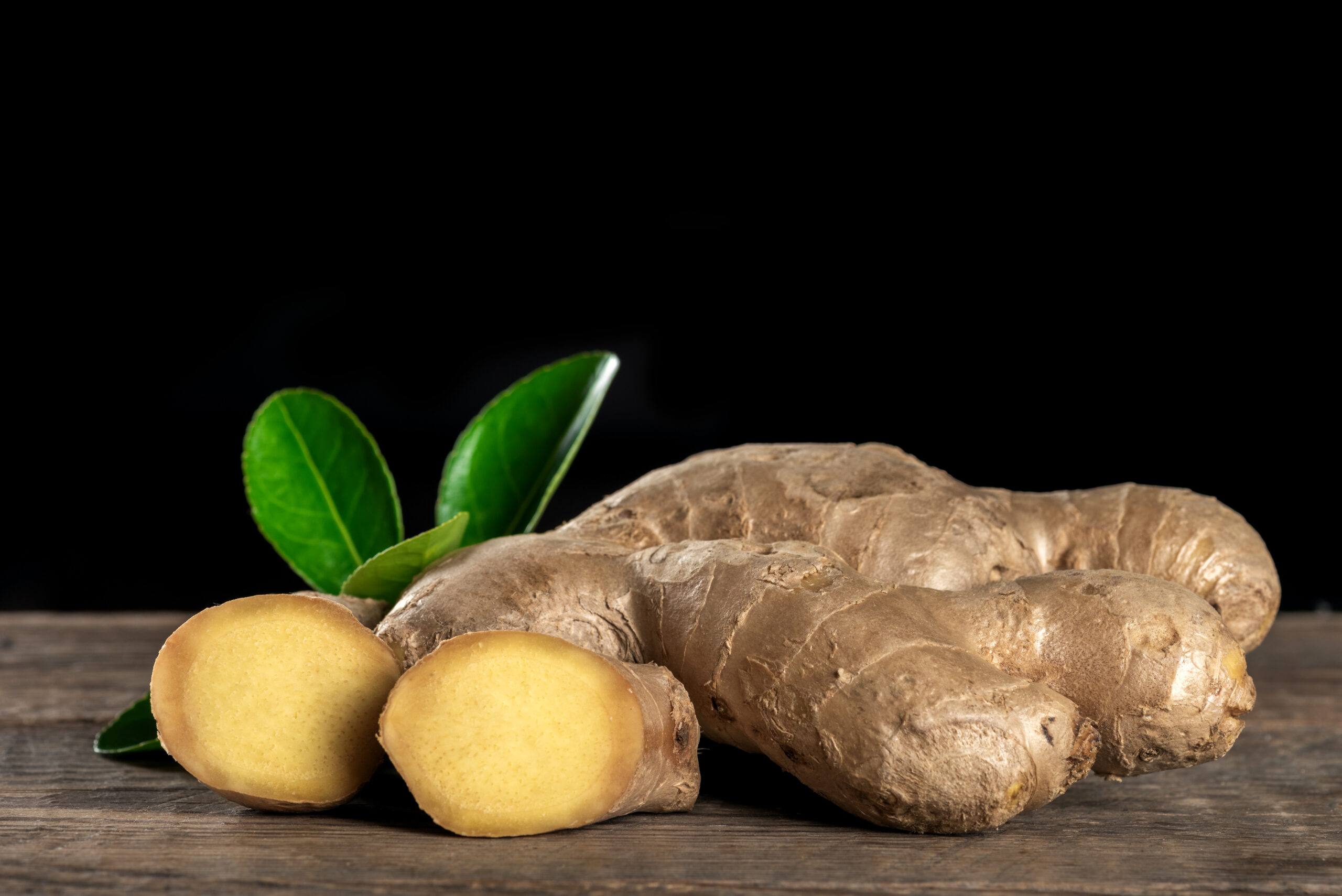
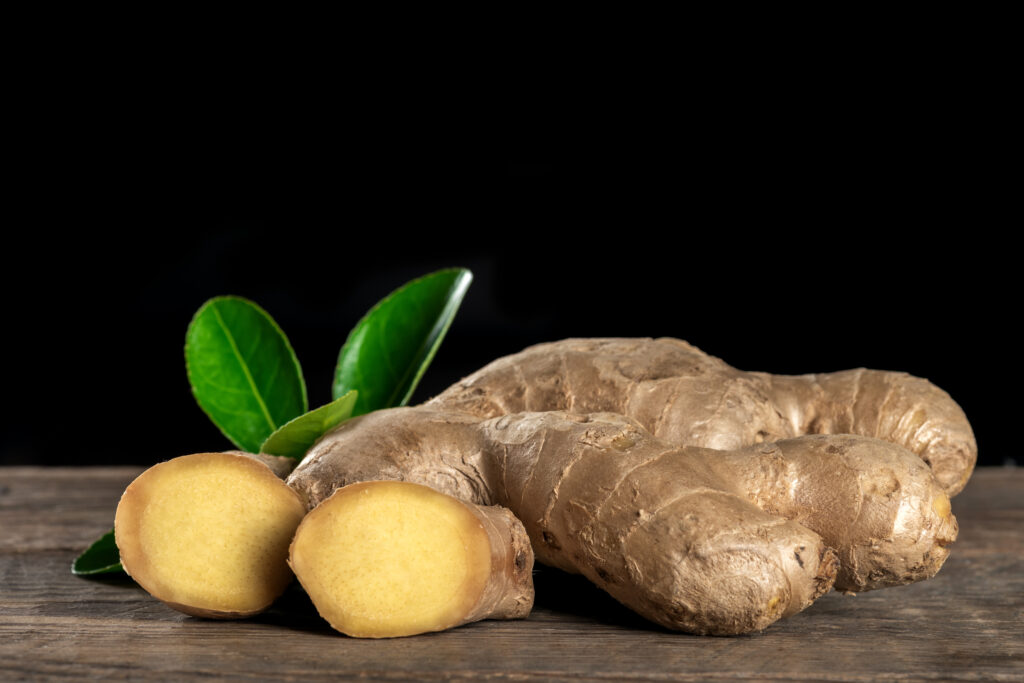
Fresh ginger root has a way of waking up the senses. Its skin is thin and earthy, its shape is crooked and knobby, and the scent turns sharp and bright the moment you slice it. Few kitchen staples feel this alive in your hand.
Although most people call it a root, the part we eat is a rhizome, an underground stem. For centuries, people have reached for ginger for flavor, comfort, and everyday wellness support. It shows up in soups, tea mugs, stir-fries, and old home remedy habits because it does a lot with a little.
That mix of bold taste and gentle comfort is what keeps ginger close at hand.
What ginger root is and why people use it so often
Ginger comes from the plant Zingiber officinale. It grows in warm climates, and the part sold in stores is the firm, pale gold rhizome under the soil. Cut into it, and you get a juicy snap, a spicy bite, and a smell that feels both clean and warming.
That flavor is the first reason people love it. Ginger can wake up bland food the way a squeeze of lemon can wake up a dull dish. It brings heat, but not the fiery kind you get from hot peppers. Instead, it’s lively, fragrant, and slightly sweet.
People also keep ginger around because it feels comforting. A cup of ginger tea after a heavy meal can feel like opening a window in a stuffy room. It doesn’t need much fanfare. Slice it, simmer it, and the kitchen starts to smell like relief.
Its appeal crosses kitchens and wellness traditions. You see it in Asian cooking, holiday baking, herbal teas, and simple home routines for unsettled stomachs or cold days. If you enjoy herbal drinks for stomach support, these best natural teas for gut health pair well with ginger’s warming style.
Fresh ginger, dried ginger, and ginger tea all bring something different
Fresh ginger is bright, juicy, and best for cooking or brewing tea. It adds a sharper flavor to broths, marinades, and fresh drinks.
Dried ginger powder tastes warmer and more concentrated. It works well in baking, spice blends, and quick mixes. Capsules and extracts offer convenience, though they can be stronger than a simple cup of tea.
Ginger candies and chews are popular for travel because they’re easy to carry. Tea sits in the middle. It’s gentle, simple, and easy to fit into a daily routine.
The natural compounds in ginger that give it heat and punch
Ginger gets much of its character from compounds called gingerols and shogaols. In plain terms, these are part of what give ginger its spicy kick and warming feel.
Fresh ginger contains more gingerols, while dried or heated ginger tends to have more shogaols. That shift changes the flavor a bit. Fresh tastes brighter. Dried tastes deeper and warmer.
These compounds are also why ginger gets so much attention in wellness circles. They’re tied to the soothing, warming effects people often notice after sipping ginger tea or adding ginger to meals.
The best-known ginger root benefits, and what they may help with
Ginger root has a long reputation, but its best-known uses are simple. Most people reach for it when the stomach feels off, when food sits heavy, or when they want a warming drink that feels settling. That’s where ginger shines.
It may help support digestion by encouraging the stomach to move food along more comfortably. It may also help with feelings of queasiness, which is why ginger tea and ginger chews often travel in bags, glove boxes, and carry-ons.
Some people also use ginger for everyday body comfort. After a long walk, a hard workout, or a cold, damp day, a warm cup can feel grounding. That doesn’t make it a cure. It simply means ginger may support the body’s normal response to everyday stress and soreness.
For people who enjoy both herbs and aromatics, these ginger essential oil wellness uses show another side of ginger’s warm, spicy character.
Why ginger is often used for nausea, motion sickness, and an uneasy stomach
This is the use people talk about most. Ginger is often chosen for mild nausea, motion sickness, and that wavering, unsettled feeling in the stomach.
Travel is a common example. A ginger chew, tea, or small amount of fresh ginger may feel helpful before or during a car ride, boat trip, or flight. Some people also sip ginger tea after eating too fast or after a rich meal that didn’t sit well.
Pregnancy-related nausea is another reason people ask about ginger. Some people find it soothing. Still, pregnancy is a time to check with a healthcare professional first, especially before using larger amounts or supplements.
For mild stomach upset, ginger often works best in small, steady amounts rather than huge doses.
How ginger may support digestion, circulation, and everyday comfort
Ginger is often used after meals because it has a warming, settling feel. If dinner leaves you sluggish, a cup of ginger tea can feel like a gentle nudge instead of a jolt.
Cold weather is another natural fit. Ginger’s heat seems to spread outward, almost like sunlight through a window on a gray day. That’s one reason it’s common in winter teas, broths, and tonics.
Some people also use ginger for muscle or joint comfort. The support is usually described as mild and steady, not dramatic. In other words, think of ginger as a helpful daily habit, not a quick fix.
Simple ways to use ginger root every day
Ginger is easy to use once you get comfortable with it. A small knob can stretch across several meals and drinks, so you don’t need much.
Start with the size. For one mug of tea, a few thin slices are often enough. For cooking, try a teaspoon of grated ginger, then adjust next time. Because ginger has a strong voice, it can take over if you add too much.
How to buy, prep, and store ginger so it stays fresh longer
Look for roots that feel firm and heavy for their size. The skin should look fairly smooth, not shriveled or soft. A few bumps and twists are normal. That’s part of ginger’s charm.
You don’t always need to peel it. If the skin is thin and clean, a quick rinse may be enough. If you do peel it, a spoon works better than a knife because it slips around the knobs without wasting much flesh.
Store fresh ginger in the fridge, wrapped loosely or tucked in a produce drawer. For longer storage, freeze it whole or in chunks. Frozen ginger grates well, which makes quick tea or weeknight cooking much easier.
A thumb-size piece of frozen ginger can save dinner and fix tea in minutes.
Easy ways to add ginger to tea, soups, stir-fries, and smoothies
The easiest use is tea. Simmer sliced ginger in water for several minutes, then add lemon or honey if you like. The result is warm, bright, and plain in the best way.
In cooking, ginger pairs well with garlic, soy sauce, scallions, and sesame in savory dishes. It also fits naturally with carrots, squash, and sweet potatoes. For sweeter uses, try it with cinnamon, honey, apples, pears, or turmeric.
Smoothies can handle a small piece of fresh ginger too. Blend it with orange, pineapple, mango, or banana for a sharp edge that keeps the drink from tasting flat.
A little goes a long way. Think of ginger like a bell in a quiet room. Even a small ring changes the whole mood.
A simple ginger root recipe readers can make today
When you want the cleanest, easiest way to try ginger root, tea is the place to start. It uses everyday ingredients, takes only minutes, and lets the flavor stay front and center.
This version is soothing, bright, and easy to tweak. Drink it hot on a cold day, or chill it for a light afternoon sip.
Fresh ginger lemon tea with honey
Ingredients
- 2 cups water
- 1 to 2 inches fresh ginger root, thinly sliced
- 1 to 2 teaspoons honey
- 1 to 2 teaspoons fresh lemon juice
Optional add-ins
- 1 small cinnamon stick
- 1 pinch turmeric
- 1 thin slice of orange
Steps
- Add the water and sliced ginger to a small saucepan.
- Bring it to a gentle boil, then lower the heat.
- Simmer for 8 to 10 minutes for a light tea, or 12 minutes for a stronger cup.
- Strain into a mug.
- Stir in honey and lemon to taste.
- Add cinnamon or turmeric if you want a warmer, deeper flavor.
The taste is spicy, fresh, and lightly sweet. If you want it chilled, let it cool first, then pour it over ice. For a softer flavor, use less ginger and a touch more honey.
When to use caution with ginger root
Ginger is simple, but simple doesn’t mean risk-free. Most people do fine with small amounts in food or tea. Still, more isn’t always better.
Possible side effects, medicine interactions, and who should ask first
In some people, ginger can cause heartburn, mouth warmth, or stomach irritation. That tends to happen more with large servings, strong supplements, or taking it on an empty stomach.
Extra caution makes sense if you’re pregnant, have gallbladder issues, or take blood thinners. People using diabetes medicines should also check with a healthcare professional before using larger amounts often, since herbs and medicines can overlap in ways that matter.
If you have ongoing stomach pain, frequent nausea, or a health condition that needs close care, it’s smart to ask before making ginger a regular remedy. Food-level use is one thing. Concentrated forms are another.
Fresh ginger earns its place because it does so much without asking for much in return. It brings flavor to food, warmth to tea, and gentle support when your stomach or body feels a little off.
Start small and keep it simple. A few slices in hot water may be all you need to see why ginger root has stayed in kitchens and home wellness routines for so long.
If you have some on hand, make the tea today and notice how such a humble rhizome can change the mood of the whole day.
Stay Connected for More Natural Living Inspiration
If you enjoyed this post about herbal wellness and love discovering natural ways to refresh your home and wellness, don’t miss out on future recipes and clean-living tips! Subscribe to the blog for weekly DIYs, wellness inspiration, and herbal remedies delivered straight to your inbox.
Don’t forget to visit my LinkTree for the links to my favorite essential oils, herbal teas, natural recipes, YouTube ambiance videos for sleeping; a project I created to help with insomnia symptoms and the second channel, Rooted in Nature YouTube Channel both channels feature herbal recipes for wellness and home.
Thanks for coming by!
Leave a Reply
You must be logged in to post a comment.