

(DISCLAIMER: I am not a doctor, and you should consult your healthcare professional before starting any health regimen.)

Key Takeaways
- Guaco is a traditional South American herb used for coughs and respiratory comfort.
- It may help loosen mucus and relax the airways, which can make breathing feel easier.
- Most support comes from long-standing use, lab findings, and animal research, not large human trials.
- Tea and syrup are the most common forms for home use.
- Start with a low amount and follow product directions if you use a tincture or capsules.
- Avoid guaco during pregnancy and breastfeeding unless a clinician says it’s okay.
- Use extra caution if you take blood thinners or manage an ongoing health condition.
A cough that hangs on can turn the whole room into a sickroom. You reach for a warm mug, breathe in the steam, and hope your throat gets a break. For many people in South America, guaco has long been part of that moment.
Guaco usually refers to Mikania glomerata or Mikania laevigata, two climbing vines used for coughs, chest congestion, and easier breathing. People often drink it as tea or syrup when mucus feels stuck and the chest feels tight. Research looks promising, but strong human studies are still limited.
That mix of tradition and early science makes guaco worth a closer look, especially if you like simple herbal tools that fit into everyday care.
What guaco is and how it may support a cough
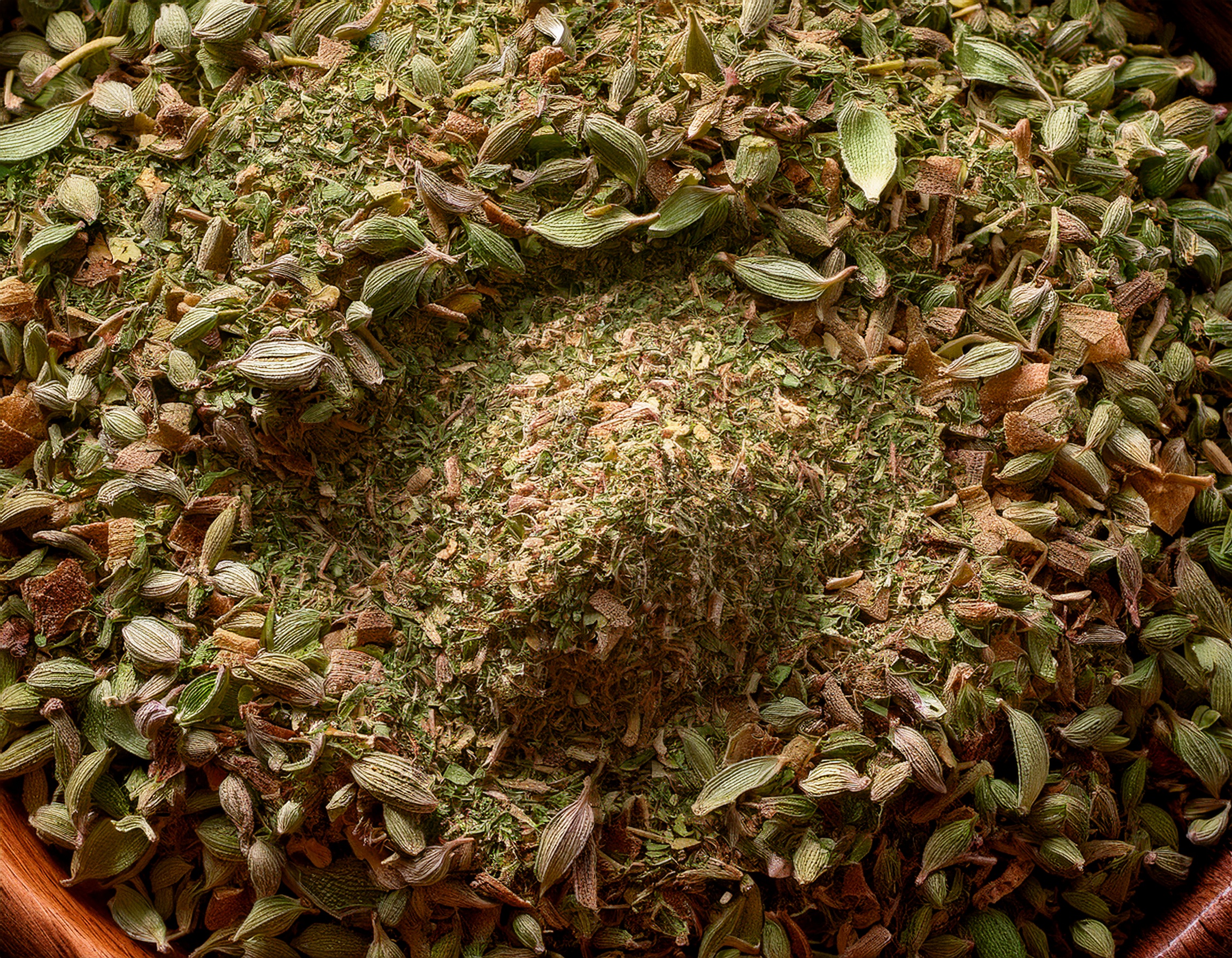
Guaco is a leafy vine native to parts of Central and South America. In herbal products, it is most often sold as Mikania glomerata or Mikania laevigata. The leaves are the part people usually brew, simmer, or extract.
People don’t turn to guaco because it sounds exotic. They use it because it has a long reputation for helping with wet coughs, chest congestion, and that heavy feeling in the lungs that comes with a cold. When mucus sits still, coughing can feel harsh and useless. Guaco may help move that mucus along.
It may also calm irritated airways. That matters when each cough feels like sandpaper in the throat. Some people describe the effect as a little more open, a little less tight, and easier to breathe through a stuffy day.
Still, guaco is not a proven fix for every cough. It’s better viewed as a gentle support herb, not a stand-in for proper medical care.
The traditional story behind guaco
In Brazil and other parts of Latin America, guaco has been used for generations for coughs, colds, hoarseness, bronchitis, and chest congestion. Folk use also includes sore throat, flu, and other breathing complaints. Syrups made with guaco and honey are especially common in traditional home care.
That history matters, because traditional use often points researchers toward plants worth studying. It does not prove a treatment works, but it gives a strong clue about where to look. With guaco, the clearest thread runs through respiratory comfort.
People have also used the herb for issues outside the lungs, such as aches and stomach upset. For cough support, though, the old uses are strikingly consistent.
What the herb may be doing in the body
Early research suggests guaco may act in a few useful ways. First, it may have a bronchodilator effect, which means it may help relax the muscles around the airways. When those muscles loosen, breathing can feel less restricted.
Second, guaco may work as an expectorant. In plain language, that means it may help thin or move mucus so it is easier to cough up. This is one reason guaco is often mentioned for phlegmy coughs rather than dry, tickly ones.
There may also be mild anti-inflammatory action. That could help soothe irritated tissues in the throat and chest. Compounds linked to guaco, including coumarin-related substances, get much of the attention here, though the plant contains more than one active component.
What the research says about guaco benefits
The evidence for guaco sits in an in-between space. Traditional use is strong. Lab and animal research offers support. Human trials, however, are still sparse.
Up to April 2026, there have not been large, modern human studies proving guaco works for cough relief in the way common medicines are tested. That doesn’t mean the herb has no value. It means the best current case for guaco comes from centuries of use plus early studies that suggest airway relaxation, mucus support, and reduced irritation.
Research on guaco is encouraging, but the human evidence is still thin.
This distinction matters. Traditional use tells you how people have relied on the herb. Early science helps explain why it may help. Proven treatment requires larger human trials, careful dosing data, and clearer safety answers over time.
So, where does that leave guaco? In a practical spot. It may be helpful for mild, short-term cough support, especially during a cold, but it shouldn’t be sold as a sure treatment.
Where guaco shows the most promise
Guaco seems most promising for coughs that come with mucus, mild chest congestion, and that stuffed, rattly feeling after a cold starts to settle in. These are the uses that appear again and again in traditional practice and in early research summaries.
For someone who already leans on warm teas, rest, steam, and fluids, guaco may fit into that same comfort-based routine. Some people also pair herbal tea with essential oils for clearing congestion when they want broader home support for stuffiness.
A fair expectation is modest relief, not a dramatic cure. If the cough is mild and recent, guaco may help you feel more comfortable while the body does its work.
Why guaco is not a cure-all
Guaco should not replace medical care for asthma attacks, pneumonia, severe shortness of breath, chest pain, or high fever. It also isn’t enough for a cough that lasts weeks without a clear reason. In those cases, an herb can blur the picture and delay real treatment.
The same caution applies to children, older adults with fragile health, and people with chronic lung disease. A home remedy has a place, but it has limits.
If your cough feels like more than a cold, treat guaco as a side note, not the main plan. Supportive care can still matter. So can rest, fluids, and even top essential oils for bronchitis relief for comfort at home. Still, none of those steps replaces prompt care when symptoms turn serious.
Simple ways to use guaco at home
Guaco is easy to use, and most people start with tea. Syrups are also popular, especially when the throat feels raw. Tinctures and capsules exist too, though labels vary a lot.
This quick guide shows the forms you’ll see most often:
| Form | Common home use | Typical starting point |
|---|---|---|
| Tea | Warm drink for cough and mucus | 1 to 2 tsp dried leaves per cup |
| Syrup | Small spoonfuls for throat and cough comfort | Follow label or use small amounts |
| Tincture | Concentrated liquid extract | Use label directions only |
| Capsules | Measured dry extract | Follow product directions |
There is no universal standard dose for guaco. Product strength varies, and traditional recipes differ from commercial extracts. Because of that, start low and stay within the label range if you buy a prepared product.
Guaco tea, syrup, and other common forms
Tea is the simplest place to begin. A common traditional range is 1 to 2 teaspoons of dried guaco leaf per cup of hot water. Let it steep for about 10 to 15 minutes, then strain. Many people drink it 1 to 3 times a day for short-term support.
Syrup is thicker and more soothing on an irritated throat. Some commercial versions use guaco alone, while others add honey, ginger, or citrus. If you buy one, look for the botanical name on the label and keep the ingredient list clean.
Tinctures are stronger by volume, so label directions matter more. The same goes for capsules. Don’t guess with either form, because extracts can vary widely.
Warm drinks often pair well with steam and rest. If chest stuffiness is part of the picture, eucalyptus for sinus congestion may offer another gentle home option alongside guaco tea.
Two easy guaco recipes for cough comfort
These recipes keep things simple and home-friendly.
Warm guaco tea
- Add 1 to 2 teaspoons dried guaco leaves to 1 cup hot water.
- Cover and steep for 10 to 15 minutes.
- Strain into a mug.
- Add a little honey or lemon if you like.
- Sip while warm.
This tea works best as a short-term comfort drink during a cold. If honey soothes your throat, it can make the cup feel softer and less sharp.
Basic guaco cough syrup
- Put 2 tablespoons dried guaco leaves in 2 cups water.
- Simmer gently until the liquid reduces to about 1 cup.
- Strain out the leaves.
- Stir in 1/2 to 3/4 cup honey or sugar while the liquid is still warm.
- Let it cool, then store it in the fridge for a few days.
Take small spoonfuls as needed. Keep portions modest, especially the first time you try it.
Do not give honey to children under 1 year old.
Guaco safety, side effects, and when to avoid it
Guaco is often well tolerated in traditional use, especially for short-term use in moderate amounts. Still, natural does not mean risk-free. Long-term safety is not well studied, and product quality can vary.
That means a little care goes a long way. Choose a trusted source, check the botanical name, and avoid products loaded with fillers or mystery herbs.
Possible side effects and drug interactions
Some people may notice nausea, stomach upset, or vomiting. Allergic reactions are also possible, especially with any herb from an unfamiliar source. If a tea or syrup makes you feel worse, stop using it.
The biggest caution is with blood thinners or medicines that affect bleeding. Guaco contains coumarin-related compounds, and while that does not make it the same as prescription anticoagulants, it does raise a clear flag. Extra caution also makes sense before surgery.
If you notice rash, swelling, unusual bruising, worsening cough, or breathing trouble, stop use and get medical help.
Who should talk to a clinician first
Some people should check in with a clinician before trying guaco. That includes anyone who is pregnant or breastfeeding, because safety data is not good enough to assume it’s fine. The same goes for young children, people with liver problems, anyone on daily medicines, and those with asthma or chronic lung disease.
Watch for these red flags, because they need medical care:
- Wheezing that is new or getting worse
- Chest pain
- Blue lips or fingertips
- Coughing up blood
- Trouble breathing
- High fever or a cough that doesn’t improve
A simple rule helps here. If the body feels unsafe, home care is no longer enough.
Conclusion
Guaco can be a comforting herb for an occasional cough, especially when mucus, throat irritation, and chest congestion all show up together. Its strongest support comes from long traditional use and early research, while human evidence is still limited.
Used with care, guaco fits best into a calm home routine that includes rest, fluids, and realistic expectations. Choose a trusted product, start with a low amount, and pay attention to how your body responds.
If symptoms are severe, sudden, or long-lasting, skip the guesswork and get medical care.
Stay Connected for More Natural Living Inspiration
If you enjoyed this post about herbal wellness and love discovering natural ways to refresh your home and wellness, don’t miss out on future recipes and clean-living tips! Subscribe to the blog for weekly DIYs, wellness inspiration, and herbal remedies delivered straight to your inbox.
Don’t forget to visit my LinkTree for the links to my favorite essential oils, herbal teas, natural recipes, YouTube ambiance videos for sleeping; a project I created to help with insomnia symptoms and the second channel, Rooted in Nature YouTube Channel both channels feature herbal recipes for wellness and home. And if you’re interested in essential oils along with herbal teas, feel free to visit my other websiteDI Writes and Blogs.
Thanks for coming by!


Leave a Reply
You must be logged in to post a comment.