(DISCLAIMER: I am not a doctor, and you should consult your healthcare professional before starting any health regimen. Product links are commissioned and supports the blog)
Key Takeaways
- Ginkgo biloba is an herbal supplement made mainly from the tree’s leaves.
- People often use it for memory, focus, and circulation support.
- Research is mixed, and benefits tend to be modest, not dramatic.
- Common side effects can include stomach upset, headache, dizziness, and allergy symptoms.
- Ginkgo may not be safe for people on blood thinners, those with bleeding risks, pregnant people, or anyone preparing for surgery.
- Quality matters, because standardized extracts and clear labeling are easier to evaluate than vague blends.
Few herbs have a reputation quite like ginkgo. Also called ginkgo biloba, it comes from one of the oldest tree species still living today. That long history is part of the appeal, but most modern interest centers on the leaf, which is used in supplements and other herbal wellness products.
Many wellness-minded readers look to ginkgo for memory, circulation, and general brain support. Still, the honest answer is simple: results can vary. Some people notice mild benefits, while others feel little or nothing at all. That’s why it helps to look at the facts without hype.
This guide covers what ginkgo is, what it may help with, how to use it safely, and how to choose a product that makes sense.
What ginkgo is and how it may work in the body
Ginkgo comes from the leaves of the ginkgo tree. In stores, it’s most often sold as a capsule, tablet, liquid extract, or tea. Most research focuses on concentrated leaf extract, not casual tea use.
The leaf contains plant compounds called flavonoids and terpene lactones. In plain terms, these are natural substances that may help protect cells from oxidative stress. Oxidative stress is the wear and tear that happens when unstable molecules build up in the body.
Researchers have also looked at ginkgo for its possible effect on blood flow. The basic theory is that it may help blood move more freely in small vessels. That idea helps explain why people connect ginkgo with brain support and circulation.
Still, theory isn’t the same as proof. A supplement can look promising on paper and still produce uneven results in real life. So, while ginkgo has active compounds worth studying, it’s best viewed as a supportive herb, not a fix-all.
Why ginkgo is called a living fossil
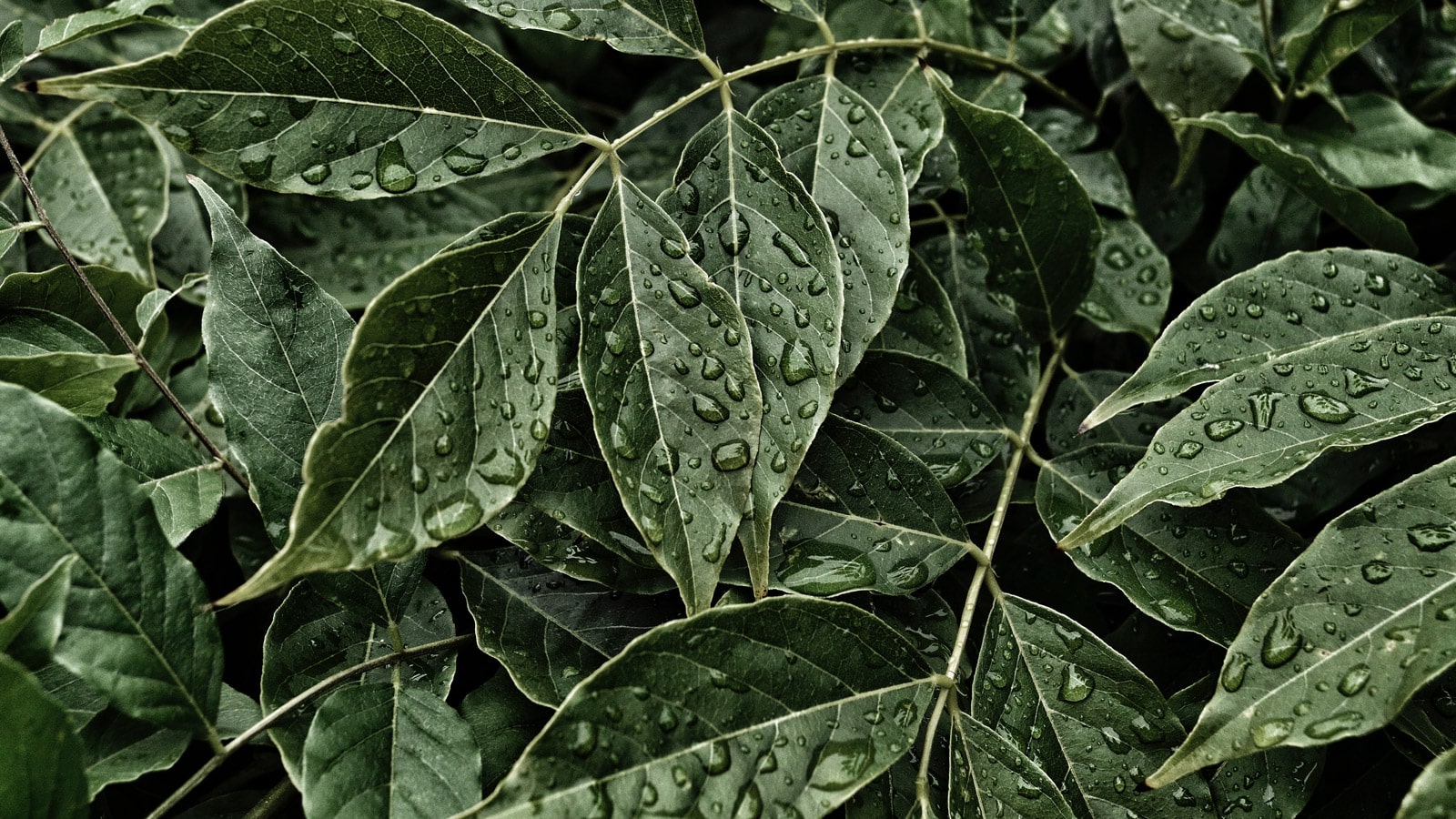
Ginkgo is often called a living fossil because it has existed for millions of years and has changed very little over time. The tree is native to China and is now grown in many parts of the world.
It’s famous for fan-shaped leaves, strong survival traits, and its long use in traditional herbal practices. Because of that mix of history and hardiness, ginkgo still holds a strong place in modern supplement shelves.
The difference between ginkgo leaf and ginkgo seeds
This part matters. Most supplements use ginkgo leaf extract, not the seeds. The leaf is the form studied and sold for wellness use.
The seeds are different and can be unsafe if handled or eaten the wrong way. They should not be treated like a casual home remedy. If you’re shopping for ginkgo, make sure the label clearly refers to the leaf or a standardized leaf extract.
What ginkgo may help with, and what the research really says
Ginkgo has been studied for several wellness goals, but the research is mixed. Some studies suggest mild benefits in certain groups, while others show little change. In other words, ginkgo may help some people, but it doesn’t work the same way for everyone.
Memory, focus, and age-related cognitive support
This is the most common reason people try ginkgo. Many hope it will sharpen memory, improve focus, or ease mental fog. That’s understandable, especially when life feels mentally crowded.
Research on everyday focus in healthy adults is limited. Studies on age-related memory concerns have drawn more interest, but even there, results are uneven. Some findings suggest modest support in certain cases, while others don’t show clear benefit.
Ginkgo is not a cure for dementia or memory loss. It also shouldn’t replace medical care for serious cognitive changes. If someone expects a dramatic mental boost, they’ll likely be disappointed.
Circulation and cold hands or feet
Because ginkgo may influence blood flow, some people take it for circulation support. That often leads to interest from people with cold hands or feet.
The idea makes sense, but the evidence is still limited. Some people report improvement, while others notice no change. So it’s better to think of ginkgo as a possible support option, not a proven answer for circulation complaints.
Anxiety, mood, and other popular claims
Ginkgo also shows up in conversations about stress, mood, tinnitus, and eye health. Some of these claims have weaker support than others.
A few people combine herbs and lifestyle tools for stress support. For example, readers interested in gentle, non-pill options may also like herbal teas for anxiety relief or mood-boosting essential oils. Still, those are separate approaches, and none should be treated like magic.
Ginkgo may be promising for some uses, but “popular” does not always mean “well proven.”
How to use ginkgo safely
Natural doesn’t always mean harmless. That’s especially true with herbs that may affect blood flow or interact with medicines.
Common side effects and when to stop using it
Some people notice mild side effects such as stomach upset, headache, dizziness, or an allergic reaction. These don’t happen to everyone, but they’re possible.
If symptoms feel strong, don’t brush them off. Stop using the product and get medical advice. Unusual bleeding, severe rash, or other serious symptoms need prompt attention.
Who should avoid ginkgo or ask a doctor first
This is one of the most important parts of the conversation. People who take blood thinners or antiplatelet drugs should be especially careful. The same goes for anyone with a bleeding disorder.
Pregnant people should avoid self-starting ginkgo unless a clinician says otherwise. It’s also wise to stop it before surgery, since bleeding risk may be a concern. People with seizure-related conditions should speak with a doctor before using it as well.
If you take several medications, don’t guess. Ask a pharmacist or healthcare professional to check for interactions first.
How to choose a good ginkgo supplement and set realistic expectations
A good label tells you a lot. A weak one tells you almost nothing.
What to look for on the label
Look for a standardized extract, clear dosage information, and third-party testing when possible. A short ingredient list is usually easier to trust than a mystery blend packed with bold claims.
Be careful with formulas that hide amounts behind “proprietary blends.” More isn’t always better, and big promises are usually a red flag. If you enjoy other natural approaches for mental clarity, you might also explore essential oils for focus and mental clarity, but supplements still deserve the same careful label reading.
How long it may take to notice any effect
Ginkgo doesn’t work overnight. If it helps, it usually takes time and consistency. Even then, some people may not notice much at all.
A fair trial is reasonable, but keep it limited and purposeful. Track how you feel, notice any side effects, and avoid stacking several new supplements at once. If you’re trying ginkgo for a specific health concern, check in with a healthcare professional instead of self-treating long term.
Ginkgo has earned its place in herbal wellness because it’s interesting, well known, and backed by some promising research. Still, it’s not a miracle fix, and it doesn’t help everyone. The smartest approach is to use ginkgo thoughtfully, choose a quality product, and put safety first. Calm, informed choices usually serve your wellness routine better than hype ever will.
Stay Connected for More Natural Living Inspiration
If you enjoyed this post about herbal wellness and love discovering natural ways to refresh your home and wellness, don’t miss out on future recipes and clean-living tips! Subscribe to the blog for weekly DIYs, wellness inspiration, and herbal remedies delivered straight to your inbox.
Don’t forget to visit my LinkTree for the links to my favorite essential oils, herbal teas, natural recipes, YouTube ambiance videos for sleeping; a project I created to help with insomnia symptoms and the second channel, Rooted in Nature YouTube Channel both channels feature herbal recipes for wellness and home.
Thanks for coming by!
Leave a Reply
You must be logged in to post a comment.