

(DISCLAIMER: I am not a doctor, and you should consult your healthcare professional before starting any health regimen.)

Key Takeaways
- Valerian herb is best known for sleep support and gentle help with winding down.
- Research is mixed but promising for some people, especially around sleep quality and settling before bed.
- The root is the part most often used, not the flower.
- Its effects tend to feel mild and can vary a lot from one person to another.
- Safety matters, because valerian may cause drowsiness and can interact with certain medicines.
The earthy smell rises first, deep and a little wild, when dried valerian root meets hot water. It doesn’t smell delicate like chamomile or mint. It smells like soil after rain, old wood, and the quiet edge of a garden at dusk. That strong scent hints at why valerian herb gets such a strong reaction from people, some swear by it, and some need time to warm up to it.
Valerian has a long history as a traditional herb for rest, relaxation, and bedtime support. If you’re curious about this well-known root, this guide covers what it is, how it may help, how it may work, the forms you’ll find in stores, and the safety points that matter most. If you also enjoy gentle evening brews, these 10 soothing herbal teas for anxiety can round out a calm nighttime routine.
What valerian herb is and how it has been used over time
Valerian herb usually means Valeriana officinalis, a flowering plant native to Europe and parts of Asia. While the plant has soft flowers and a gentle look in the garden, the root is the part that gets the most attention. Herbalists and supplement makers use it in teas, tinctures, capsules, and extracts.
For centuries, people in European herbal traditions turned to valerian for rest and evening calm. It often appeared in bedtime routines, especially when the mind felt busy or the body seemed slow to settle. In older household use, valerian wasn’t treated like a magic fix. It was more like a quiet helper, something steeped, sipped, or taken before bed as part of a steady habit.
That long history explains why valerian still shows up in wellness shops today. At the same time, old use doesn’t mean it works the same for everyone. Some people find it comforting. Others notice very little.
The root, not the flower, is the part most people use
When you shop for valerian, look closely at the label. Most products use the root or a root extract. That matters because the flower and leaves are not the usual focus in sleep or relaxation products.
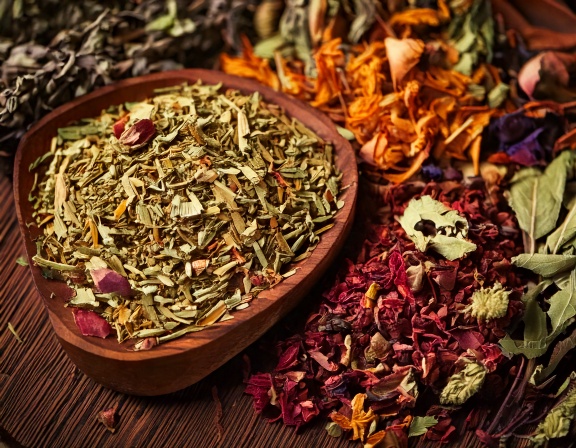
You’ll often see names like valerian root, valerian extract, valerian tea, or valerian tincture. Some products are single-herb formulas. Others blend valerian with chamomile, lemon balm, hops, or passionflower. If you want a more direct experience, a root-only product makes it easier to know what you’re trying.
Why valerian smells so strong
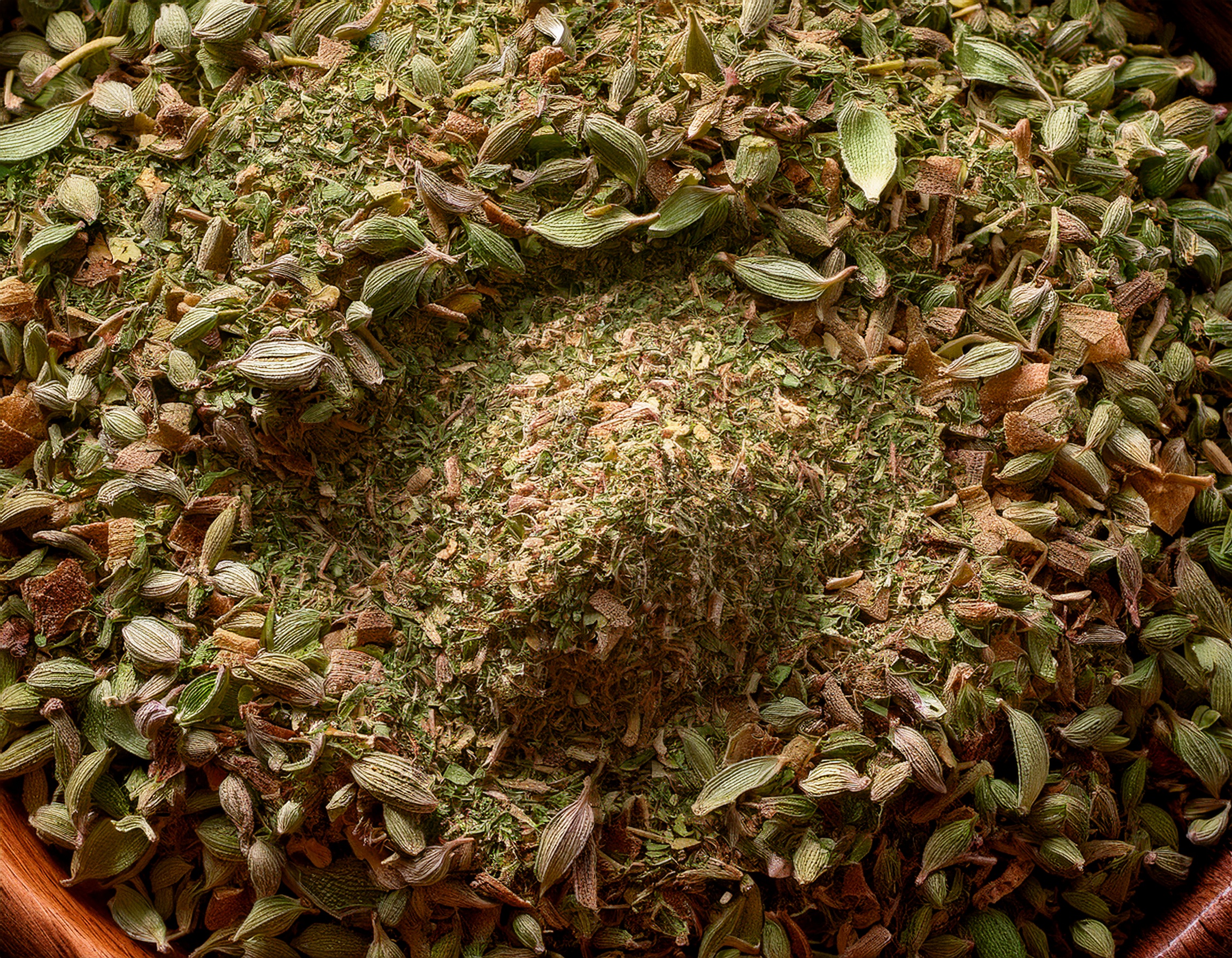
Valerian root has a famously bold smell. Many people describe it as earthy, musky, woody, or even a little like old socks. That may sound off-putting, but it’s normal.
The scent comes from the root’s natural plant compounds. In other words, the smell isn’t a sign that the herb is bad. It’s simply part of valerian’s character. Tea tends to bring that smell front and center, while capsules hide it better.
A strong valerian smell is expected, not a warning sign.
The main valerian herb benefits people look for
Most interest in valerian herb comes down to one goal, feeling more settled at night. People usually don’t reach for valerian in the middle of a busy morning. They reach for it when the day is winding down, the lights are lower, and the body needs help letting go.
Valerian is not a cure-all. It doesn’t knock everyone out, and it doesn’t solve the root cause of poor sleep. Still, it remains popular because some people feel a gentle shift with it. They may feel less keyed up, a bit less restless, or more ready for bed.
That’s where valerian seems to fit best, as support for ordinary evening tension and sleep prep. Think of it like dimming a room rather than flipping a hard switch. For some, that soft change is enough.
Sleep support is the most common reason people try valerian
Valerian is most often used as part of a bedtime routine. People may take it when they want help winding down, especially after days that feel noisy, overstimulating, or mentally crowded.
Some studies suggest valerian may help with sleep quality or with how long it takes to fall asleep. However, the findings are mixed. That’s important to say clearly. Research has not produced one simple answer, and results can depend on the product, the person, and the study design.
Still, valerian keeps showing up in sleep conversations because enough people report benefit to keep interest alive. It may be most useful when paired with simple sleep habits, such as a regular bedtime, less screen time, and a quiet evening routine.
It may help the body feel calmer before bed
Valerian is also used when stress, simple nervous tension, or racing thoughts make rest feel farther away than it should. This doesn’t mean it treats anxiety disorders. Rather, it may support a milder sense of ease before bed.
That’s why valerian often appears beside other calming habits, such as warm baths, low lighting, soft music, and a gentle cup of tea. Some people also pair it with relaxing scents. For example, marjoram oil for relaxation and sleep is another natural wellness option often used in evening routines.
The key is balance. Valerian may help nudge the body toward rest, but it works best as part of a bigger pattern of calm.
How valerian may work in the body, in simple terms
Researchers believe valerian may influence brain chemicals linked to calm, especially GABA. That sounds technical, but the basic idea is simple. Your brain uses chemical messengers to help manage alertness, mood, and rest. Some of those signals are stimulating. Others help slow things down.
Valerian appears to interact with the calming side of that system. Even so, the full picture is still being studied. Scientists don’t agree on every detail, and valerian contains many natural compounds, so it’s not a one-note herb.
What matters for the average reader is this, valerian may support the body’s natural shift into a more relaxed state. That doesn’t mean it feels dramatic. In fact, if it helps, the effect may feel subtle.
A simple look at GABA and why it matters for rest
GABA is often described as one of the brain’s calming messengers. When that system is working well, it helps the mind and body ease off the gas. That’s useful at night, when alertness needs to soften.
This is one reason calming herbs, quiet routines, and lower evening stimulation can all work in the same direction. They help create the conditions for rest.
Why results can feel different from one person to another
Not everyone responds to valerian the same way. Body chemistry plays a role. So do product strength, timing, dose, and personal sensitivity.
Some people notice little change. Others feel more settled, sleepy, or relaxed. Because of that, it helps to keep expectations realistic. Valerian isn’t a guaranteed answer. It’s more like a plant that may offer support, depending on the person using it.
How to use valerian herb safely and choose the right form
Valerian comes in several forms, and each has its own feel. Tea is the most traditional. It feels familiar, slow, and comforting, although the taste and smell can be strong. Capsules are easier for people who want less flavor and more convenience. Tinctures and extracts are more concentrated, so a small amount goes a long way.
Most people use valerian in the evening or before bed, following the label directions. If you’re new to it, starting simple makes sense. Pick one form, use a low-end serving if the product allows, and pay attention to how you feel.
Tea, capsules, tinctures, and extracts each feel a little different
Tea can feel like part of a ritual. You boil water, steep the root, and sit still for a few minutes. That process alone can support relaxation. The drawback is taste. Valerian tea can be intense, earthy, and musky.
Capsules skip the flavor and give a more measured option. Meanwhile, tinctures and liquid extracts are often preferred by people who want flexibility, but they can taste strong too.
There isn’t one best form for everyone. If you value comfort and routine, tea may suit you. If you want convenience, capsules are often the easiest place to start.
Who should use extra caution with valerian
Because valerian may cause drowsiness, use care the first few times you take it. Don’t mix it with alcohol or other sedating substances unless a clinician says it’s safe. Also, avoid driving or doing anything that requires sharp focus until you know how it affects you.
Talk with a healthcare professional before using valerian if you’re pregnant, breastfeeding, managing a health condition, or taking medicines. This matters even more with sleep aids, anti-anxiety drugs, seizure medicines, or other sedatives.
Possible side effects can include headache, upset stomach, vivid dreams, or next-day grogginess. Some people tolerate it well. Others feel too sleepy the next morning.
If a product meant to help you rest leaves you foggy the next day, it may not be the right fit.
Simple tips for choosing a quality valerian product
A good valerian product should tell you exactly what’s inside. Look for the plant name, the part used, and clear serving guidance. If third-party testing is listed, that’s a plus.
Also check whether the product uses valerian root alone or combines it with other herbs. Blends can be useful, but they make it harder to tell what’s helping or bothering you. Trusted brands with transparent labels are usually worth the extra attention. If you use plant-based remedies often, basic natural first-aid safety habits can also help you make smarter choices across your whole wellness shelf.
A calm, balanced way to think about valerian herb
Valerian herb has earned its place as a classic sleep and relaxation remedy, but it isn’t the same for every person. Some feel a gentle easing into rest, while others notice little at all. The smartest approach is to start simple, use it thoughtfully, and watch how your body responds. In the end, valerian can support a healthy evening routine, yet herbs deserve the same care as any other wellness tool, especially when medicines, pregnancy, or ongoing health concerns are part of the picture.
Stay Connected for More Natural Living Inspiration
If you enjoyed this post about herbal wellness and love discovering natural ways to refresh your home and wellness, don’t miss out on future recipes and clean-living tips! Subscribe to the blog for weekly DIYs, wellness inspiration, and herbal remedies delivered straight to your inbox.
Don’t forget to visit my LinkTree for the links to my favorite essential oils, herbal teas, natural recipes, YouTube ambiance videos for sleeping; a project I created to help with insomnia symptoms and the second channel, Rooted in Nature YouTube Channel both channels feature herbal recipes for wellness and home.
Thanks for coming by!

Leave a Reply
You must be logged in to post a comment.