Key takeaways for choosing herbs for immune support
- Echinacea and elderberry are well-known for short-term, seasonal use.
- Astragalus often fits better into a steady daily routine than a last-minute remedy.
- Kitchen herbs like ginger and turmeric are easy to use in tea, broth, and food.
- Holy basil can support calm and balance, which also matters for overall wellness.
- Herbs work best beside good sleep, fluids, nourishing meals, and simple hygiene habits.
- Teas and broths are gentle starting points, while syrups and tinctures can be more concentrated.
- Safety matters more if you’re pregnant, breastfeeding, have autoimmune concerns, take medicine, or have plant allergies.
- (DISCLAIMER: I am not a doctor, and you should consult your healthcare professional before starting any health regimen. Product links are commissioned and supports the blog)
This guide covers key herbs for immune support, including echinacea, elderberry, and ginger. Learn safe daily uses and recipes to enhance wellness naturally.
A warm cup of tea won’t fix everything, but it can become part of a steadier kind of care. That’s the heart of herbs for immune support. They work best as gentle helpers, not as quick cures.
Your immune system responds to daily patterns, such as sleep, meals, stress, and hydration. Herbs can fit into that picture by adding comfort, warmth, and plant compounds that support normal body function. This post shares trusted herbs, easy ways to use them, beginner-friendly recipes, and a few safety notes that matter.
This guide is for general wellness support only, not for diagnosis or treatment, and it helps to keep that in mind as you choose what fits your routine.
How herbs can support your immune system in everyday life
Herbs don’t build a wall around your body. Instead, they may offer small forms of support that add up over time. Some soothe the throat, some bring warmth, and some are rich in plant compounds that pair well with a healthy routine.
What immune support really means
Immune support means helping the body do its normal work. In plain terms, that can look like staying nourished, rested, and well-hydrated while using herbs that are traditionally linked with comfort and seasonal wellness.
That idea is different from claiming a cure. No herb can promise you’ll avoid every bug going around, and no tea replaces medical care when symptoms are serious. A better image is a garden. The herbs are not the whole garden, they’re part of the soil, water, and sunlight that help things stay strong.
Herbs can support your routine, but they don’t replace diagnosis, treatment, or emergency care.
Why daily habits matter as much as the herbs you choose
Even the best tea can’t make up for weeks of poor sleep and high stress. Your immune system depends on basics, and those basics are often quiet ones.
So, keep the foundation simple. Wash your hands, drink enough fluids, eat nourishing meals, and make room for rest. If stress runs high, calming habits matter too, because a worn-down body has less room to recover. Herbs fit best when the daily groundwork is already there.
Best herbs for immune support, and what each one is known for
Some herbs have a long track record in home wellness routines. The names below are familiar, easy to find, and practical for daily life.
Echinacea and elderberry for short-term seasonal support
Echinacea is one of the first herbs people think of during seasonal changes. Many use it for short-term support, often as tea, tincture, lozenges, or capsules. It tends to show up when the weather shifts, travel picks up, or everyone around you seems to be sniffling.
Elderberry is another popular pick, often found as syrup, gummies, tea, or capsules. People usually reach for it during the colder months or when they want extra support for seasonal wellness. Its deep purple color feels almost like a winter pantry staple, rich and dark like a bowl of berries by the window.
Both herbs are best treated with care. If you have ragweed or daisy-family allergies, echinacea may not be a good match. Product quality matters with elderberry, too, because prepared products should be made correctly. If you have an autoimmune condition, it’s smart to check with a healthcare professional before using either herb regularly.
Astragalus for steady, long-term wellness routines
Astragalus has a different feel from echinacea or elderberry. Instead of being the herb many people grab when they already feel run down, it’s often used as part of a long-term wellness rhythm.
The dried root is common in tea blends and broths. It has a mild, slightly sweet taste and pairs well with soup ingredients. You might also find it as a tincture or capsule. For many people, astragalus feels less like a fire alarm and more like tending the porch light every evening, small, steady, and easy to repeat.
Because it’s often used over time, astragalus works well for people who like simple routines. Still, it may not fit everyone, especially those with autoimmune concerns or those taking medicines that affect the immune system.
Ginger, turmeric, and holy basil for warmth, comfort, and daily balance
Ginger and turmeric shine in the kitchen as much as the tea mug. Ginger brings heat, movement, and a bright, spicy edge that feels good on cold mornings. Turmeric adds an earthy note and a golden color that turns simple milk, broth, or tea into something cozy.
These two herbs are easy to weave into food. Fresh ginger can go into tea, soup, or stir-fries. Turmeric works well in warm drinks, rice dishes, and broths. Since both are common foods, they often feel approachable for beginners.
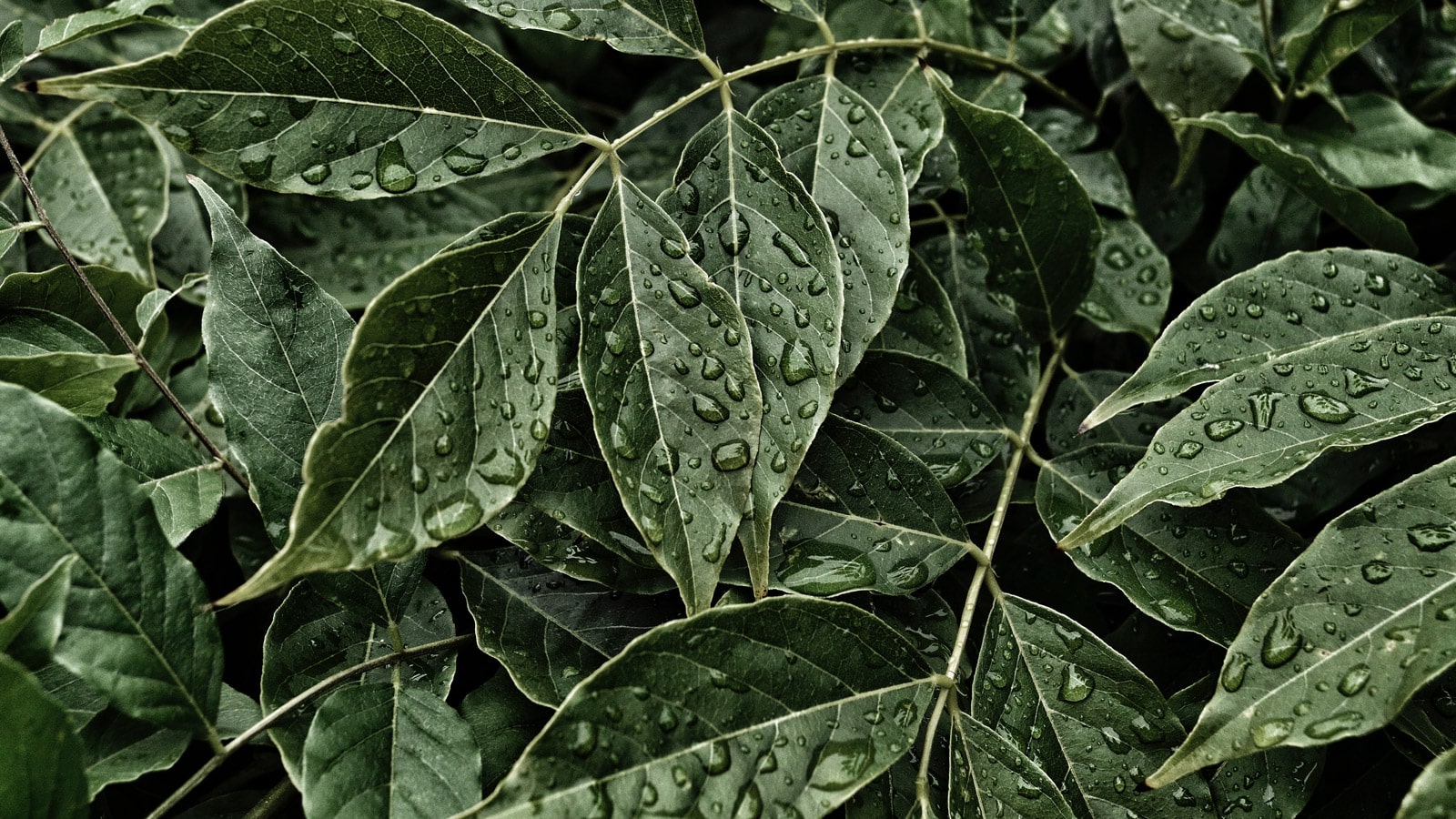
Holy basil, also called tulsi, has a softer personality. People often use it for stress support and daily balance, which matters because stress and immune health are closely linked. The taste is gently spiced and a little floral, almost like a garden after rain.
If holy basil isn’t your style, lemon balm is another calming option. It won’t replace sleep, but it can pair nicely with an evening tea routine. In that sense, these herbs support wellness from more than one angle, body and mood together.
Easy ways to use immune-supportive herbs at home
Home use doesn’t need to be fancy. In most kitchens, tea, broth, syrup, and tincture are the easiest starting points.
Herbal tea and broth ideas for a simple daily routine
Ginger-turmeric tea with lemon is one of the easiest places to begin. Slice 1 to 2 inches of fresh ginger and add it to a small pot with 2 cups of water. Add 1 teaspoon grated fresh turmeric, or a small pinch of dried turmeric. Simmer for 10 minutes, strain, and finish with lemon. If you like, stir in a little honey after the tea cools slightly. The result is warm, bright, and grounding.
Astragalus broth with garlic and mushrooms is another good daily recipe. Add 4 to 6 astragalus root slices to a pot with 4 cups of water or broth, a smashed garlic clove, and a handful of sliced mushrooms. Simmer for 30 to 40 minutes. Remove the astragalus pieces before serving. Then sip it plain, or use it as the base for soup. It’s gentle, savory, and easy to fit into lunch or dinner.
If you prefer ready-made options, tinctures can be convenient. Still, tea and broth give you a slower, more sensory way to build a routine.
A quick elderberry syrup option for seasonal use
A beginner elderberry syrup can be simple. Simmer 1 cup dried elderberries in 3 cups water with a small cinnamon stick and a few slices of fresh ginger for about 30 minutes. Mash lightly, strain well, and let the liquid cool until warm, not hot. Then stir in about 1 cup honey.
Pour the syrup into a clean glass jar and store it in the fridge. Use clean spoons, keep the lid tight, and discard it if the smell or appearance changes. If making syrup feels like too much, buying a prepared elderberry syrup from a reputable brand is a perfectly reasonable choice.
Safety tips to know before you start using herbs
Herbs may be natural, but “natural” doesn’t always mean right for every person. A thoughtful approach keeps home wellness both useful and safe.
When herbs may not be the best fit
Some people need extra caution. That includes those who are pregnant or breastfeeding, living with autoimmune conditions, preparing for surgery, managing bleeding disorders, or taking prescription medicines. People with organ transplants should also talk with a healthcare professional before trying immune-focused herbs.
Medicine interactions matter, especially with blood thinners, immune-related drugs, and sedatives. Allergies matter too. Read labels closely, because blends may contain more than one plant, and not every ingredient will suit every body.
How to choose good products and start slowly
Start with one herb at a time. That makes it easier to notice how you feel and helps you avoid stacking too many products at once.
Choose brands that list the full plant name, the part used, and clear serving directions. Loose tea, single-herb tinctures, and food-based options are often easier for beginners than complicated blends. When in doubt, a simple tea or broth is a gentle place to begin.
Steady habits usually work better than chasing a miracle bottle. That’s true with herbs, and it’s true with wellness in general.
A mug of tea, a pot of broth, or one simple syrup recipe can be enough to start. Pick one small step, stay consistent, and keep safety in view as you build a routine that feels calm, useful, and realistic for your life.
Stay Connected for More Natural Living Inspiration
If you enjoyed this post about herbal wellness and love discovering natural ways to refresh your home and wellness, don’t miss out on future recipes and clean-living tips! Subscribe to the blog for weekly DIYs, wellness inspiration, and herbal remedies delivered straight to your inbox.
Don’t forget to visit my LinkTree for the links to my favorite essential oils, herbal teas, natural recipes, YouTube ambiance videos for sleeping; a project I created to help with insomnia symptoms and the second channel, Rooted in Nature YouTube Channel both channels feature herbal recipes for wellness and home.
Thanks for coming by!
Leave a Reply
You must be logged in to post a comment.