Key Takeaways
- Lemongrass is a fragrant herb with a lemon-like scent, but it isn’t the same as lemon.
- Fresh stalks, dried herb, tea, powder, and essential oil all work differently.
- Many people enjoy lemongrass in tea, cooking, aromatherapy, and fresh-smelling DIY projects.
- Culinary lemongrass and lemongrass essential oil are not interchangeable.
- Essential oil needs careful dilution, patch testing, and extra caution around kids, pets, pregnancy, and certain health concerns.
- (DISCLAIMER: I am not a doctor, and you should consult your healthcare professional before starting any health regimen.)
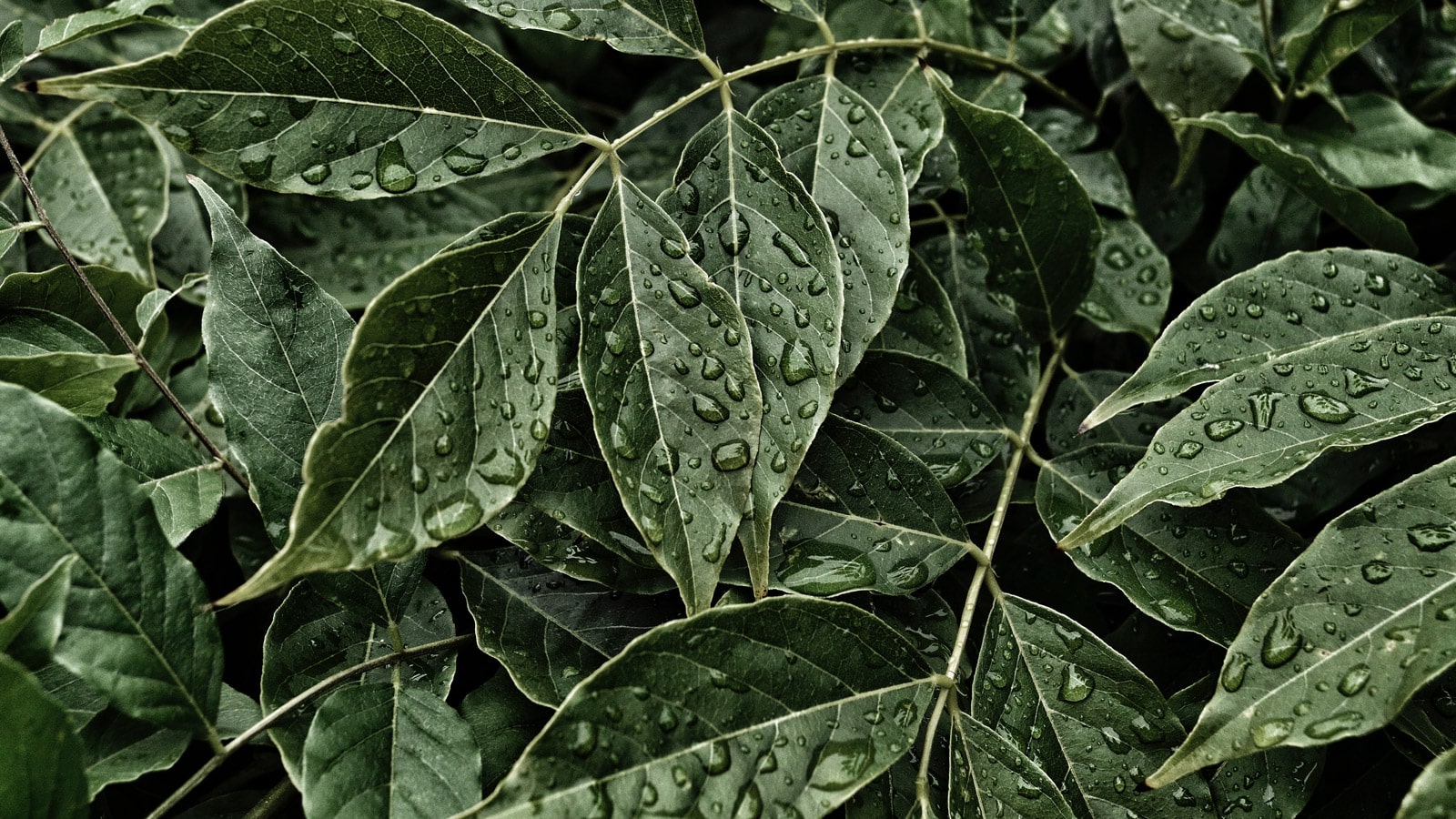
Crush a stalk of lemongrass between your fingers, and the air turns bright in an instant. The scent is citrusy, green, and clean, like a kitchen window opened after rain.
That fresh smell is one reason people keep coming back to lemongrass. Some brew it into tea, some cook with it, and others use the essential oil in simple self-care or home routines. If you want a practical guide that keeps the facts clear, this is a good place to start.
What lemongrass is, how it smells, and the forms people use most
Lemongrass is a tall, grassy herb known for its sharp, lemony aroma. It shows up often in teas, broths, soups, marinades, and home fragrance blends. Although the scent reminds people of lemon peel, the plant has its own personality. It smells greener, softer, and more herbal.
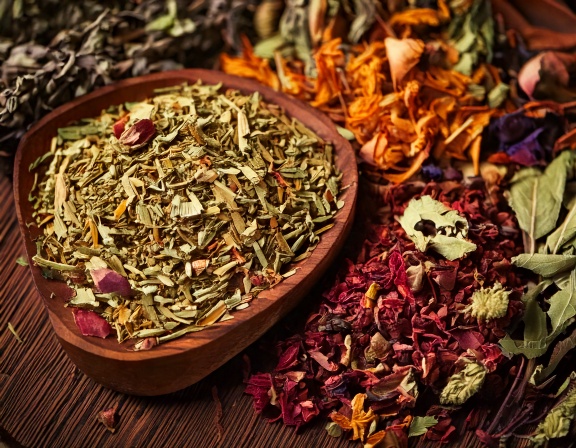
In the kitchen, fresh lemongrass stalks are the form many people know best. The pale lower part holds the most flavor, while the tough outer layers are often trimmed away. Dried lemongrass is common in tea blends and pantry jars because it’s easy to store and simple to steep.
You may also see lemongrass powder, which works best in dry blends or quick recipes. Then there’s lemongrass essential oil, a concentrated extract used for scent and topical blends when diluted well. That bottle may smell small, but it carries a strong punch.
Lemongrass has deep roots in herbal traditions, and it still fits neatly into modern routines. Some people keep it for cooking, while others use it for a clean-smelling diffuser blend or a warm evening tea.
Fresh lemongrass, dried lemongrass, tea, and essential oil are not the same thing
This part matters because the forms can look similar in name but behave very differently.
Fresh lemongrass gives the brightest flavor in cooking. It adds a clean citrus note to broth, curry, and marinade without tasting like bottled lemon juice. Dried lemongrass is milder, so it works well in infusions and tea blends. Powder is convenient, though it usually lacks the depth of a fresh stalk.
Essential oil is a different story. It’s far more concentrated than the herb itself. You don’t swap it into tea or recipes, and you don’t use it on skin without dilution.
That difference is easy to forget, especially when the scent feels familiar. Still, the fresh plant is food. The essential oil is a potent aromatic product.
Why the scent feels uplifting and clean
Lemongrass smells like sunlight on green leaves. It has a tart edge, yet it also feels soft and airy. Because of that mix, many people reach for it when a room feels stale or their mind feels crowded.
In aromatherapy, the scent often feels refreshing rather than sleepy. It can help a space feel tidier, lighter, and easier to breathe in, even when nothing else has changed.
Lemongrass smells gentle in the air, but the essential oil is still strong and deserves care.
Lemongrass benefits people care about most
Most people don’t choose lemongrass because they want something fancy. They choose it because it feels light, crisp, and refreshing, and it slips into daily life without much effort.
A cup of lemongrass tea can feel soothing after a heavy meal. In the kitchen, the herb adds freshness without making food taste sharp or sour. In home care, the scent brings a clean note to simple DIY blends. None of that makes it a cure-all, and it doesn’t need to be. Its appeal is how easy it is to enjoy.
How lemongrass fits into simple wellness routines
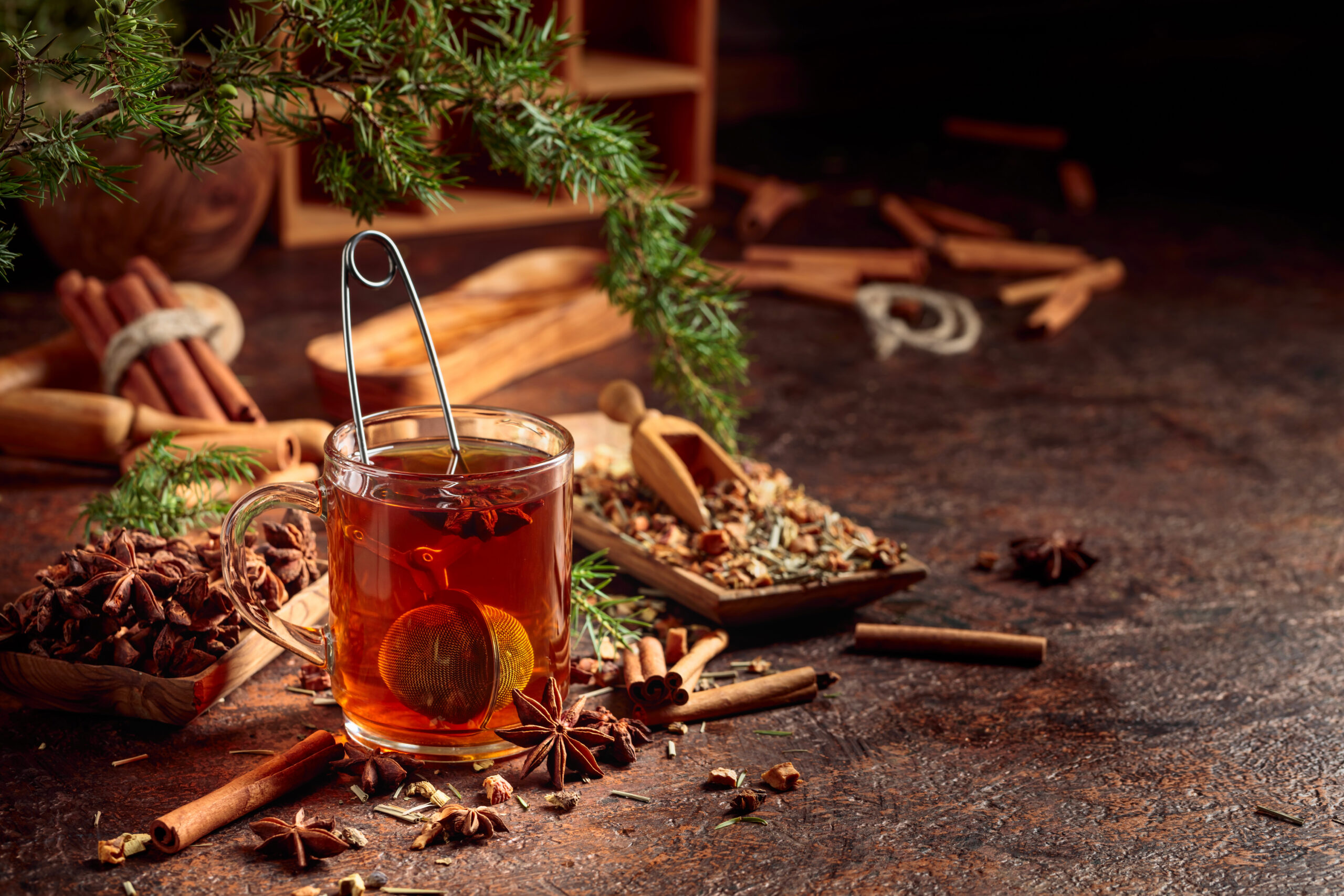
Lemongrass tea is one of the easiest ways to use the herb. Many people like it after meals because the flavor feels clean and settling. It also works well in quiet evening routines, especially when you want something warm that isn’t heavy.
Some people use the aroma in steam-friendly routines or in a shower blend, as long as the essential oil is used safely and sparingly. A diluted blend on a shower wall or diffuser can make the room smell fresh and bright. The effect is often more about atmosphere than dramatic results, and that’s enough.
If tea is already part of your day, lemongrass pairs well with ginger, mint, and chamomile. For readers who enjoy a soothing cup after eating, these herbal teas for bloating and digestion offer more gentle ideas.
Where cooking and home uses add to its appeal
In cooking, lemongrass shines in soups and broths. It also works in rice, curry, noodle bowls, and simple marinades. The trick is to bruise or slice the tender lower stalk so the flavor releases. Then you can simmer it and remove the fibrous pieces before serving.
At home, the scent has a clean-sheet quality. A small simmer pot with sliced lemongrass and ginger can freshen the air without synthetic fragrance. Some people also enjoy lemongrass in diluted room sprays or diffuser blends.
That range is part of the charm. One herb can move from teacup to soup pot to evening diffuser, and still feel right in each place.
How to use lemongrass safely at home
Lemongrass is simple to enjoy, but the form you use matters. A food herb, a tea blend, and an essential oil don’t carry the same strength. That’s where safe use begins.
Smart safety tips for lemongrass tea, herbs, and essential oil
For tea and cooking, normal food-style use is the safest place to start. If you’re brewing dried lemongrass or simmering fresh stalks in broth, keep it within ordinary kitchen amounts. If you have a medical condition, take medication, or feel unsure about herbs, ask a qualified healthcare professional before making it a daily habit.
Essential oil needs more care because it’s concentrated. For skin use, dilute it in a carrier oil first. A low-strength blend is a better starting point than a strong one. Patch test on a small area and wait to see how your skin responds. Also keep it away from eyes, lips, and other sensitive areas.
Pregnancy adds another layer of caution, and the same goes for breastfeeding. Pets can also be sensitive to essential oils, especially in small spaces or with frequent diffusion. If you share your home with animals, use extra care and good ventilation.
Children, asthma, allergies, and ongoing health concerns call for a slower approach too. When personal factors are involved, tailored medical advice matters more than general wellness tips.
An easy lemongrass recipe to try, plus simple buying and storage tips
If you want a low-effort way to enjoy lemongrass, tea is the best starting point. It uses basic ingredients, smells wonderful as it steeps, and lets you adjust the flavor without fuss.
Easy lemongrass ginger tea for a calm, fresh cup
This tea tastes bright, warm, and clean. Ginger adds a gentle kick, while lemongrass keeps the cup light.
Ingredients
- 1 fresh lemongrass stalk, or 1 tablespoon dried lemongrass
- 4 thin slices fresh ginger
- 2 cups water
- Honey, optional, after steeping
Steps
- If using fresh lemongrass, trim the root end and peel off any dry outer layers.
- Lightly crush the lower stalk with the back of a spoon, then cut it into a few pieces.
- Add the lemongrass, ginger, and water to a small pot.
- Bring to a gentle boil, then lower the heat and simmer for 8 to 10 minutes.
- Turn off the heat and let it steep for 5 more minutes.
- Strain into a mug. Add honey if you like, then sip warm.
You can make it milder or stronger by changing the steep time or amount of herb. If evening tea is part of your wind-down routine, these 10 soothing herbal teas for anxiety relief may give you a few more cup-worthy ideas.
How to pick, prep, and store lemongrass so it stays fragrant
When buying fresh lemongrass, look for stalks that feel firm and smell fresh. The base should look pale yellow or light green, not shriveled or dull. A little dryness on the outer layer is normal, but the stalk shouldn’t feel limp.
To prep it, trim off the root end and remove the toughest outer leaves. The lower bulb and inner stalk hold the most flavor. If you’re making tea, bruising the stalk helps release more aroma into the water.
Fresh lemongrass keeps well in the fridge for about a week when wrapped loosely. Dried lemongrass lasts longer, especially in a sealed jar stored away from heat and light. Essential oil also prefers a cool, dark place, with the cap closed tightly after each use. Good storage keeps the scent from fading too soon.
Lemongrass earns its place because it does a lot without asking much from you. It can warm a mug, brighten a broth, and freshen a room, all with the same clean, green character.
Used wisely, lemongrass feels less like a trend and more like a steady little helper in daily life. Start with one simple use, maybe a tea or a soup, and let the scent tell you where it fits best in your routine.
Stay Connected for More Natural Living Inspiration
If you enjoyed this post about herbal wellness and love discovering natural ways to refresh your home and wellness, don’t miss out on future recipes and clean-living tips! Subscribe to the blog for weekly DIYs, wellness inspiration, and herbal remedies delivered straight to your inbox.
Don’t forget to visit my LinkTree for the links to my favorite essential oils, herbal teas, natural recipes, YouTube ambiance videos for sleeping; a project I created to help with insomnia symptoms and the second channel, Rooted in Nature YouTube Channel both channels feature herbal recipes for wellness and home.
Thanks for coming by!
Leave a Reply
You must be logged in to post a comment.