
(DISCLAIMER: I am not a doctor, and you should consult your healthcare professional before starting any health regimen.)
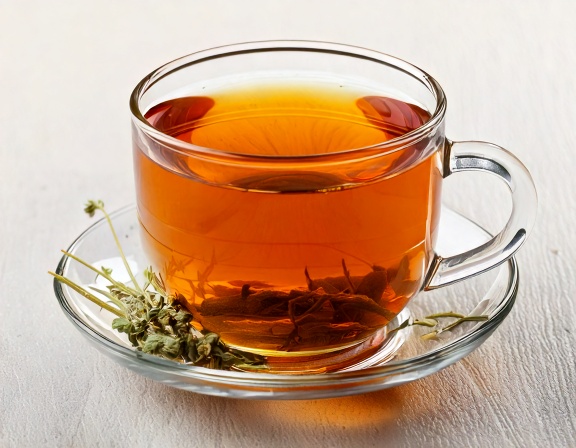
Key Takeaways
- Parsley tea may ease after-meal discomfort by helping with gas, digestion, and extra water.
- Its warm, herbal feel can be soothing when your stomach feels tight or full.
- The evidence is promising, but human studies are limited.
- Safety matters. Use caution during pregnancy, with kidney concerns, and if you take blood thinners.
That tight, too-full feeling after a meal can make a simple lunch feel stubbornly heavy. Your stomach may feel stretched, your waistband may seem smaller, and even a normal portion can linger longer than you want.
Parsley tea is a traditional home remedy people reach for when gas, mild indigestion, or water retention makes them feel puffy. It may help some people feel lighter, but the strongest human research is still limited.
This post looks at how parsley tea may work, how to make it at home, and when to be careful with it.
A cup of parsley tea is best seen as a gentle support, not a cure-all. It can fit into a calm routine after eating, especially when bloating is mild and occasional.
Why parsley tea may help after a heavy meal
Parsley has long been used in folk medicine for stomach comfort. In simple terms, it may help in two ways: it may support digestion and it may help your body release extra water.
That matters because bloating is not always one thing. Sometimes it feels like gas is trapped in the gut. Other times, it feels more like puffiness or fullness from salt and fluid shifts.
How it may help move trapped gas
Warm tea can feel settling when your stomach is tense. The heat alone may relax the belly a little, which can make pressure feel less sharp.
Parsley is also considered a carminative herb, a plant that may help move gas along and ease that tight, crampy feeling. If your stomach feels like a balloon with a knot in it, a warm cup may bring a little room back.
Why extra water weight can make you feel bloated
Some bloating comes from fluid retention, not just gas. A salty meal, a busy day, or hormonal shifts can leave you feeling swollen and heavy.
Parsley has a mild diuretic effect, which means it may help the body release extra water. If puffy fullness is the main issue, that can make a noticeable difference. For readers who want to compare gentle teas with a similar fluid-balance focus, dandelion root tea for fluid balance is another traditional option.
What the research says, and what it does not
The strongest support for parsley tea comes from traditional use and some lab or animal research. Those findings suggest possible digestive and fluid-balance effects.
Still, there are few large human studies on parsley tea for bloating. So the fair answer is simple: it may help, but it does not work the same way for everyone.
Parsley tea can be a gentle tool, but it works best for mild, short-term discomfort.
How to make parsley tea at home without overthinking it
A good cup of parsley tea does not need a long setup. Fresh or dried parsley both work, and the brew should taste light, green, and fresh.
Start with hot water, steep the herb, then sip it warm after a meal. That simple rhythm matters more than a perfect recipe.
A basic parsley tea recipe for one cup
Use 1 to 2 teaspoons dried parsley, or 1 tablespoon fresh chopped parsley, for 1 cup of hot water. Pour the water over the herb, cover the cup, and steep for 5 to 10 minutes.
Then strain it and sip slowly. If you want, add a small amount of honey or a squeeze of lemon.
When to drink it for the best comfort
Many people try parsley tea after meals, especially when they feel overly full or gassy. That timing makes sense because it meets the discomfort where it starts.
Begin with one cup and notice how your body responds. If it feels helpful, you can keep it as an occasional after-meal habit.
Easy ways to make the taste softer
Parsley has a clean but grassy taste. Lemon brightens it. Honey rounds it out.
If you prefer a smoother cup, pair parsley with a mild tea base or add a thin slice of ginger. Keep the flavor gentle so the drink stays easy on the stomach.
Who should be careful with parsley tea
Parsley is safe in food amounts for most people, but tea can be a different story if you drink a lot of it. Concentrated use can bring unwanted effects.
The biggest caution is pregnancy. High amounts of parsley are not a good idea then. Kidney problems also deserve care, because parsley may affect fluid balance.
Blood thinners are another concern, since parsley contains vitamin K and may interfere with medication. Surgery is another time to be cautious.
Signs you may be overdoing it
Too much parsley tea can leave you feeling off. Stomach upset, nausea, dizziness, or signs of dehydration can happen if you keep drinking cup after cup.
If your body starts protesting, cut back. Gentle herbs should feel gentle.
When to ask a healthcare professional first
Check first if you’re pregnant, breastfeeding, taking medicine, or managing a kidney condition. The same goes for bleeding disorders or upcoming surgery.
That advice is plain, but useful. A mild tea can still be the wrong fit for the wrong person.
Other gentle ways to calm bloating after meals
Tea can help, but the rest of your routine matters too. Slow meals, calmer breathing, and a short walk can ease the load on your gut.
A few simple habits often make the biggest difference. Eat a little less at one sitting, chew well, and avoid gulping drinks too fast. Those small choices help keep extra air out of your stomach.
If you like a broader herbal routine, herbal teas for natural detox processes can give you more plant-based ideas for fluid balance and everyday support.
Small food and habit changes that can help
Try eating slowly, since rushed meals often bring in more air. Also, watch for very salty foods, carbonated drinks, and huge portions, because they can all add to that heavy, swollen feeling.
A brief walk after eating can help the body settle. Even ten minutes around the house or block may feel better than sitting still.
When bloating may need medical attention
Home remedies are not enough for severe pain, ongoing swelling, vomiting, or a sudden change in bowel habits. Blood in the stool or unexplained weight loss also needs attention.
If bloating keeps returning or feels out of the ordinary, get it checked. Your body may be asking for more than an herbal tea.
Conclusion
A warm cup of parsley tea may offer gentle support when a meal leaves you feeling heavy, gassy, or puffy. It fits best as part of a mindful routine, not as a fix for every kind of bloating.
Used carefully, it can be a simple and comforting home remedy. Try it slowly, pay attention to how you feel, and let your body tell you whether it belongs in your after-meal rhythm.
Stay Connected for More Natural Living Inspiration
If you enjoyed this post about herbal wellness and love discovering natural ways to refresh your home and wellness, don’t miss out on future recipes and clean-living tips! Subscribe to the blog for weekly DIYs, wellness inspiration, and herbal remedies delivered straight to your inbox.
Don’t forget to visit my Amazon for the links to my favorite essential oils, herbal teas, natural recipes, YouTube ambiance videos for sleeping; a project I created to help with insomnia symptoms and the second channel, Rooted in Nature YouTube Channel both channels feature herbal recipes for wellness and home. And if you’re interested in essential oils along with herbal teas, feel free to visit my other website DI Writes and Blogs.
Thanks for coming by!
Leave a Reply
You must be logged in to post a comment.