
(DISCLAIMER: I am not a doctor, and you should consult your healthcare professional before starting any health regimen.)
Key Takeaways
- Hydration comes first. Herbal tea works best when you also drink enough plain water.
- Gentle herbs beat heavy use. Rotate teas instead of drinking the same one nonstop.
- Use herbs in small, steady amounts. More tea does not mean better results.
- Watch for warning signs. Stop if you notice swelling, pain, foamy urine, or a sudden change in urination.
- Check with a doctor when needed. This matters most if you have kidney disease, take medication, or are pregnant.
- Simple routines work best. One or two cups a day is enough for most people.
If your body sends odd signals, listen early. Herbal tea should feel supportive, not suspicious.
A warm cup of herbal tea can support hydration, comfort, and healthy fluid balance, but it cannot scrub your kidneys clean. These herbs are best seen as gentle helpers, not a cure or a medical cleanse. Used wisely, they can fit into a calm daily routine that feels easy to keep.
In this guide, you’ll find seven simple kidney-support teas, quick recipes, and safety tips that matter. The goal is practical, steady support, not extremes. If you want something you can sip without turning your kitchen into a lab, you’re in the right place.
How these herbs may support your kidneys without overcomplicating your day
Kidneys work nonstop. They filter waste, balance fluids, and help keep minerals in line. Some herbs may support that work in small ways. A few act as mild diuretics, which means they may help the body release extra fluid. Others bring plant compounds that help calm inflammation or protect cells from stress.
That said, these teas do not pull toxins out like a machine. Your kidneys already do that job. Herbal tea is more like a quiet helper on the side, especially when you pair it with water, balanced meals, and reasonable habits. A cup in the morning or afternoon can fit into a routine without taking over your day.
What a gentle kidney-support routine can look like
A simple routine might include one cup of dandelion tea in the morning and one cup of nettle or hibiscus in the afternoon. Another week, you might use ginger tea after lunch and corn silk tea later in the day. The point is to keep it light.
Start with one tea at a time. That makes it easier to notice how your body responds. If a tea feels too strong, cut back. If it feels fine, keep it in rotation for a few days, then switch.
Who should be extra careful before trying herbal teas
Some people need to be cautious before using kidney-support herbs. That includes people with kidney disease, people who are pregnant, anyone taking blood pressure medicine or blood thinners, and people with allergies to plants like ragweed.
If you have a health condition, take prescription medicine, or already deal with fluid problems, ask a healthcare professional first. That step matters even more when you want to use herbs daily.
The 7 best teas to support a healthy kidney routine
These teas are easy to find, simple to prepare, and gentle enough for an everyday rhythm when used in moderation. Pick one or two that match your taste, then keep the rest for rotation.
Dandelion root tea for gentle fluid support
Dandelion root is one of the most popular herbs for a kidney-friendly routine because it may support fluid release. It has a roasted, earthy taste that feels close to coffee, so it can be a nice morning swap.
For a simple cup, steep 1 teaspoon dried dandelion root in 1 cup hot water for 10 to 15 minutes. You can also simmer it for a deeper flavor. If you want a deeper look at this herb, dandelion tea benefits for kidney health covers more everyday uses.
Use caution if you have ragweed allergies or gallbladder issues.
Nettle leaf tea for mineral-rich daily support
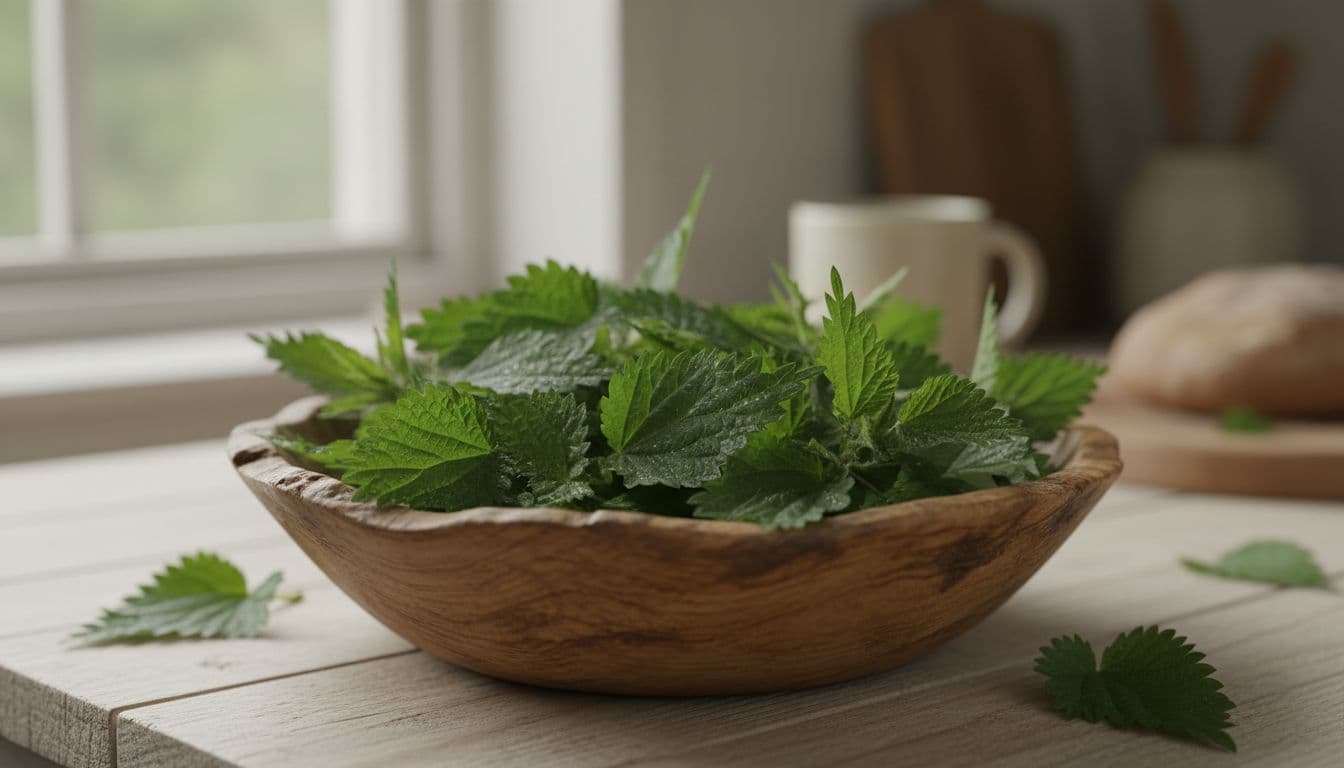
Nettle leaf has a fresh, green flavor and a long history as a nourishing herb. It may support urinary flow and offer gentle kidney support, while also bringing a good mix of plant nutrients.
For an easy cup, steep 1 to 2 teaspoons dried nettle leaf in hot water for 5 to 10 minutes. Cover the mug while it steeps, then strain well. The taste is mild, so it fits easily into a daily routine.
Be careful if you’re pregnant, and check for medicine interactions if you take regular prescriptions.
Ginger tea for warmth and inflammation support
Ginger is already in most kitchens, which makes it one of the easiest herbs to use. It may help with inflammation and circulation, and it adds a warm, sharp flavor that wakes up a tired afternoon.
Slice 3 to 5 thin pieces of fresh ginger and simmer them in 1 cup water for 10 minutes. Add honey or lemon if you like. Ginger also pairs well with other teas when you want a little more warmth. If you want more ways to use it, ginger tea for soothing digestion is a useful companion read.
Too much ginger may upset the stomach, and people on blood thinners should be careful.
Parsley tea for a fresh, simple kidney-friendly cup
Parsley tea is light, fresh, and easy to make with ingredients you may already have. It may support fluid balance through a gentle diuretic effect.
Use about 1/4 cup fresh parsley leaves per cup of hot water. Steep for 5 to 10 minutes, then strain. It tastes clean and green, which makes it easy to sip plain. You can also add a small squeeze of lemon.
Do not use parsley tea during pregnancy, and keep the amount modest.
Turmeric tea for antioxidant support
Turmeric brings a golden color and a warm, earthy taste. Its main draw is its anti-inflammatory and antioxidant support, which may help protect kidney tissue over time.
Try 1/2 teaspoon turmeric powder in 1 cup hot water, then add a pinch of black pepper. Simmer for 5 minutes if you want a stronger cup. A little honey can soften the flavor. The drink works well in the evening, especially when you want something calm.
Skip it or ask first if you have ulcers or take blood thinners.
Hibiscus tea for a tart, refreshing option
Hibiscus tea has a bright red color and a tart taste that feels crisp on a warm day. It may support fluid balance, and it also has antioxidant benefits. It can be served hot or iced, which makes it easy to keep in rotation. For more on this herb, see hibiscus tea benefits for blood pressure.
Steep 1 to 2 teaspoons dried hibiscus flowers in 1 cup hot water for 5 to 7 minutes. Chill it if you want a refreshing iced tea.
Use care if you already have low blood pressure or if you’re pregnant.
Corn silk tea for a soothing urinary blend
Corn silk is a soft, traditional herb often used for urinary comfort. It has a gentle taste and may support healthy urine flow without feeling harsh.
To make it, steep 1 tablespoon dried corn silk in 1 cup hot water for 10 to 15 minutes. You can also simmer it for a bit longer if you want a stronger cup. The flavor is mild, so it works well on its own or with a little lemon.
Watch for corn allergy concerns, and be careful if you need to monitor electrolytes.
How to build a simple daily tea routine that fits real life
The easiest routine is the one you’ll keep. You do not need all seven teas on the same day, and you do not need a perfect schedule. One cup in the morning and one in the afternoon is enough for many people.
Rotation matters because it keeps the routine gentle. If you use dandelion for a few days, switch to nettle, hibiscus, or ginger the next week. That gives you variety and helps you notice which herbs feel best.
Water still matters most. Herbal tea is part of your fluid intake, but it should not replace plain water. A simple rule is to sip tea with meals or between meals, then drink water through the rest of the day.
A beginner-friendly weekly plan
Start with one tea for three days. For example, drink dandelion root on Monday through Wednesday, then switch to hibiscus or nettle for the next few days. After that, take a break or move to a different herb.
If you want a second cup, keep it mild. A morning tea and an afternoon tea are enough. That keeps the routine steady without making it feel like a chore.
Easy ways to make the tea taste better and stay consistent
Small flavor changes help a lot. A little honey softens bitter teas, while lemon brightens earthy ones. Fresh mint can mellow stronger flavors, and a slice of ginger can warm up a bland cup.
Keep the mugs, tea, and strainer in one spot so the habit feels simple. When the setup is easy, the routine sticks.
Conclusion
A kidney-support tea routine works best when it stays simple. One or two cups a day, enough water, and a smart rotation of herbs can fit into ordinary life without much effort. The teas in this guide are gentle tools, not a cure, and that keeps expectations grounded.
If you notice swelling, pain, foamy urine, or other unusual symptoms, stop and get medical advice. The safest path is always the calm one, especially when kidney health is part of the picture.
Stay Connected for More Natural Living Inspiration
If you enjoyed this post about herbal wellness and love discovering natural ways to refresh your home and wellness, don’t miss out on future recipes and clean-living tips! Subscribe to the blog for weekly DIYs, wellness inspiration, and herbal remedies delivered straight to your inbox.
Don’t forget to visit my LinkTree for the links to my favorite essential oils, herbal teas, natural recipes, YouTube ambiance videos for sleeping; a project I created to help with insomnia symptoms and the second channel, Rooted in Nature YouTube Channel both channels feature herbal recipes for wellness and home. And if you’re interested in essential oils along with herbal teas, feel free to visit my other website DI Writes and Blogs.
Thanks for coming by!

Leave a Reply
You must be logged in to post a comment.