
Key Takeaways
- Rosemary is a fragrant evergreen herb known for its woodsy scent and bold savory flavor.
- Many people use rosemary for cooking, tea, home rituals, and simple natural beauty routines.
- Fresh rosemary tastes brighter, while dried rosemary is stronger and easier to keep on hand.
- Rosemary works best in small amounts because its flavor and aroma can become intense fast.
- Easy home uses include mild tea, infused oil, hair rinse, roasted potatoes, and soups.
- Some people should use extra care with rosemary, especially with essential oil or large medicinal amounts.
- Safe use matters most when rosemary moves from the spice jar to concentrated topical or aromatic forms.
- DISCLAIMER: I am not a doctor, and you should consult your healthcare professional before starting any health regimen.
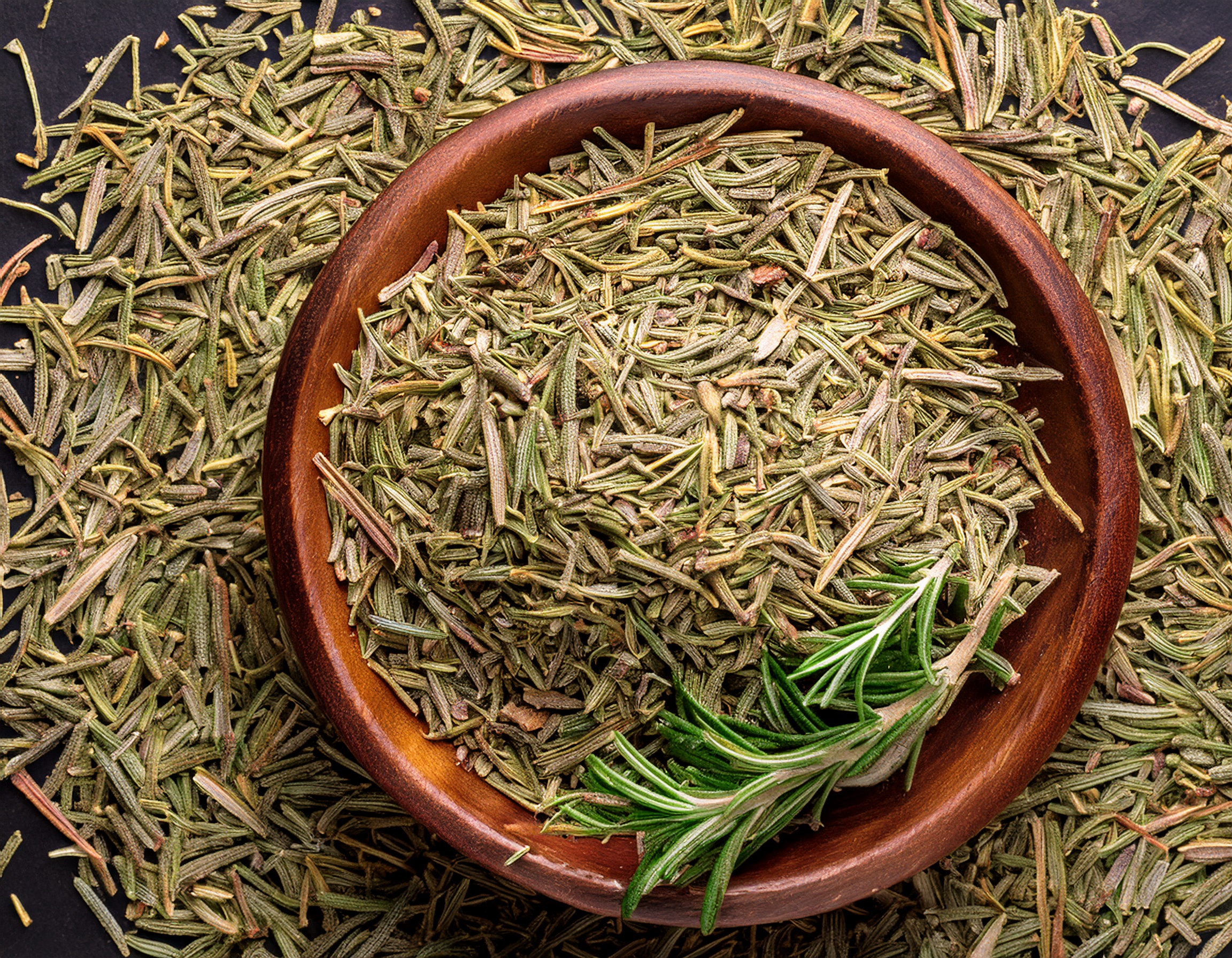
A sprig of rosemary can wake up a whole room. Its green needles hold a pine-like scent, its stems feel woody and firm, and its flavor can turn plain food into something warm and memorable.
That mix of strength and comfort is why rosemary has stayed close to the kitchen and the home for so long. People use it to season roasted meals, steep simple teas, freshen baths, and add a clean herbal note to hair and scalp care.
If you want a grounded guide to rosemary, this is a good place to start.
What rosemary is and why so many people use it
Rosemary is a fragrant evergreen herb with narrow, needle-like leaves and a strong, resin-rich scent. It belongs in the same herb family as mint, yet it smells more like a sun-warmed pine branch than a soft garden leaf. That contrast helps explain its charm. It feels rustic, clean, and a little wild.
For generations, rosemary has had a place in home cooking and traditional wellness. Cooks add it to breads, beans, potatoes, soups, and roasted meats because it brings depth without much effort. At the same time, many people steep it into tea, infuse it into oil, add it to baths, or work it into hair care routines. Readers who enjoy herb-based home care often branch into simple DIY herbal recipes because rosemary is such an easy herb to start with.
How rosemary smells, tastes, and works in everyday life
Rosemary smells sharp, fresh, and slightly camphor-like. Some people notice pine. Others catch hints of cedar, pepper, or warm earth. That crisp scent makes it popular in cooking and home rituals alike.
Its taste follows the same path. Rosemary is woodsy, savory, and a little bitter if you use too much. Because of that, a little goes a long way. One small sprig can season a pan of potatoes. A pinch of dried rosemary can shape a whole pot of soup.
That strong character also explains why rosemary shows up in aromatherapy and simple self-care. Its scent can make a room feel cleaner and more awake, almost like opening a window after rain.
Fresh rosemary vs dried rosemary, which one should you use
Fresh rosemary has a brighter aroma and a softer, greener flavor. It works well in roasted dishes, marinades, infused oils, and recipes where the sprig can cook slowly. It also looks beautiful on the plate.
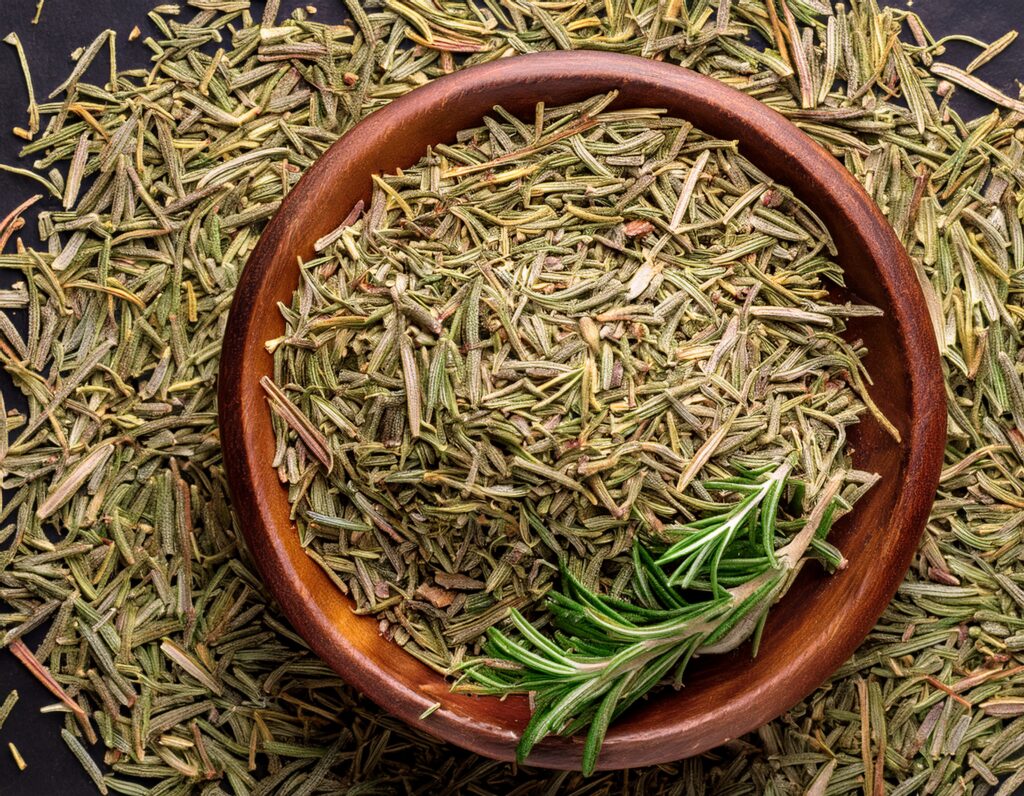
Dried rosemary is more concentrated and easier to store. It suits soups, bean dishes, breads, and spice rubs, especially when you want convenience.
As a basic swap, use about one teaspoon of dried rosemary for each tablespoon of fresh chopped rosemary. If the dried needles feel tough, crush them between your fingers first. That helps release flavor and makes the texture less rough.
The main rosemary benefits people care about most
People rarely reach for rosemary for only one reason. It earns its place because it adds flavor, scent, and a sense of ritual in one small herb. That mix makes it useful in a way many pantry staples aren’t.
In food, rosemary makes simple meals taste fuller and more comforting. In tea or steam, its aroma feels brisk and clearing. In a bath or scalp blend, it adds a clean herbal note that many people associate with refreshment and care. Those uses don’t need to be dramatic to be meaningful. Often, the best herbs are the ones that quietly fit into daily life.
Many readers also pair herbs with tea habits because the act of brewing something warm slows the day down. If you enjoy that kind of routine, these calming herbal teas that relieve stress fast can round out a gentler tea shelf beside rosemary.
A comforting herb for focus, mood, and daily ritual
Rosemary’s scent feels bright and alert. For many people, that freshness helps a room feel less heavy and the mind feel a bit less foggy. That doesn’t make rosemary a cure for stress or low mood, but it can support a moment of reset.
Think of it like opening the curtains in a dim room. The room hasn’t changed shape, yet it feels different. A mug of mild rosemary tea, a steaming bowl of broth with rosemary, or a shower filled with its herbal scent can create that same shift.
Routine matters here. When you use herbs on purpose, even in small ways, they can mark the day with care. Morning tea feels steady. A rosemary bath after work feels like a line between busy hours and rest.
Start rosemary tea on the mild side. Its flavor is stronger and more resin-like than many familiar herbal teas.
Why rosemary is valued in natural beauty and scalp care
Rosemary also has a long place in natural beauty, especially for scalp and hair routines. People often add it to hair rinses, scalp oils, or steam blends because the scent feels clean and the herb has a long history in home care.
The appeal is practical. Rosemary makes a rinse feel fresh. It can also help turn a basic scalp massage into a small ritual you look forward to. That alone has value. You slow down, pay attention, and care for your hair with simple ingredients.
Still, it’s smart to keep expectations realistic. Herbs support routines, they don’t work magic overnight. If you’re curious about stronger rosemary blends for scalp care, this guide to rosemary oil for thicker healthier hair offers more detail on essential-oil use and dilution.
Easy ways to use rosemary at home, from tea to simple DIY recipes
Rosemary is one of those herbs that can slip into your day without much planning. A sprig in hot water, a handful in olive oil, a few leaves on potatoes, and suddenly the herb feels like part of the house. That’s the sweet spot. Home use should feel easy, not like a science project.
Before using rosemary, rinse fresh sprigs and pat them dry. Strip the leaves by pulling your fingers down the stem. For dried rosemary, crush it lightly if you want better flavor release. Store fresh rosemary wrapped loosely in the fridge, and keep dried rosemary in a sealed jar away from heat and light. In both cases, use a light hand. Too much rosemary can taste harsh.
How to make rosemary tea, infused oil, and a simple hair rinse
Rosemary tea: Use 1 teaspoon dried rosemary or one small fresh sprig for 1 cup of hot water. Steep for 5 to 7 minutes, then strain. If the taste feels too bold, shorten the steep time or add lemon. Some people also soften the flavor with a little honey.
Rosemary infused oil: Place 2 to 3 fresh, fully dried rosemary sprigs, or 2 tablespoons dried rosemary, in a clean glass jar. Cover with 1 cup olive oil or jojoba oil. Let it sit in a cool spot for 1 to 2 weeks, then strain. Use it for massage, as a bath oil base, or in small amounts for cooking if you used food-safe handling and a culinary oil.
Rosemary hair rinse: Steep 2 tablespoons dried rosemary, or 3 fresh sprigs, in 2 cups hot water for 15 minutes. Cool and strain. After shampooing, pour it slowly over the scalp and hair. Let it sit for a few minutes, then rinse lightly or leave it in if your hair likes it.
Keep all three recipes simple. Stronger isn’t always better. Mild blends are easier to enjoy and less likely to irritate skin or overwhelm the palate.
Simple cooking ideas that make rosemary shine
In the kitchen, rosemary pairs beautifully with garlic, lemon, olive oil, black pepper, and thyme. It loves heat, which is why it does so well with roasting and baking.
Try tossing chopped potatoes with olive oil, garlic, salt, and a little rosemary before roasting. Add a sprig to a pot of white beans or lentil soup, then remove it before serving. Press a few leaves into homemade bread or focaccia, where the scent blooms as it bakes. Chicken also welcomes rosemary, especially with lemon and garlic.
One easy trick works almost every time. Warm olive oil with a rosemary sprig for a few minutes over low heat, then drizzle it over cooked vegetables, beans, or toasted bread. The flavor feels rich and thoughtful, even though it takes almost no effort.
If you use fresh rosemary whole, remember to pull out the woody stems before serving. They’re useful in cooking, but not pleasant to chew.
Rosemary safety tips, side effects, and when to use extra care
Rosemary is generally easy to use in normal food amounts, but that doesn’t mean every form is the same. A pinch in dinner is not the same as a strong tea, a homemade oil, or a concentrated essential oil. The more concentrated the form, the more care it needs.
Most people do well with rosemary in moderate amounts. Still, some may notice stomach upset from large servings or skin irritation from topical use. Patch testing is a smart step before using rosemary in oils or rinses on a regular basis.
Pregnant people, those with a seizure disorder, and anyone thinking about large medicinal amounts should check with a healthcare professional first. The same caution applies if you have a medical condition or take medicine that could make concentrated herbal products a poor fit.
Best practices for tea, topical use, and essential oil safety
Culinary rosemary is the herb you cook with. Herbal preparations include tea, hair rinses, and infused oils. Rosemary essential oil is far more concentrated than either one.
That difference matters. Never apply rosemary essential oil to the skin without proper dilution in a carrier oil. Also, don’t ingest rosemary essential oil unless a qualified professional has guided you. Internal use is not the same as drinking rosemary tea.
For home care, start small, keep formulas simple, and stop if irritation shows up. Safe use keeps rosemary helpful, pleasant, and worth returning to.
A single sprig of rosemary can do more than flavor a meal. It can scent a kitchen, soften a routine, and turn ordinary care into something a little more mindful.
Start with one easy use and see how it fits your life. Brew a mild cup of tea, roast potatoes with garlic and rosemary, or pour a cooled hair rinse over your scalp after washing.
That small first step is often enough. Rosemary doesn’t need to be fancy to be useful.
Stay Connected for More Natural Living Inspiration
If you enjoyed this post about herbal wellness and love discovering natural ways to refresh your home and wellness, don’t miss out on future recipes and clean-living tips! Subscribe to the blog for weekly DIYs, wellness inspiration, and herbal remedies delivered straight to your inbox.
Don’t forget to visit my LinkTree for the links to my favorite essential oils, herbal teas, natural recipes, YouTube ambiance videos for sleeping; a project I created to help with insomnia symptoms and the second channel, Rooted in Nature YouTube Channel both channels feature herbal recipes for wellness and home. And if you’re interested in essential oils along with herbal teas, feel free to visit my other websiteDI Writes and Blogs.
Thanks for coming by!

Leave a Reply
You must be logged in to post a comment.