(DISCLAIMER: I am not a doctor, and you should consult your healthcare professional before starting any health regimen.)
Key Takeaways
- Basil may help with mild gas, bloating, burping, and post-meal heaviness, partly because it has a long history as a calming, carminative herb.
- The easiest ways to try it are basil tea, chewing a few fresh leaves, or adding basil to a light meal the next time your stomach feels off.
- Basil seeds work differently from basil leaves. Their fiber may help some people who also deal with constipation, but they should be introduced slowly.
- Research is promising but limited in humans. Much of the support comes from traditional use, lab work, and early studies.
- Basil is best for mild, occasional discomfort. Strong pain, vomiting, black stool, or symptoms that keep coming back need medical care.
You finish a rich meal, then your stomach feels stretched, gassy, and slow. That heavy, puffed-up feeling can make the rest of the evening drag.
In those moments, basil can be more than a garnish. People have long used basil in home wellness for mild digestive upset, especially after eating too much or eating foods that sit heavily.
This post keeps things simple and realistic. You’ll find food-based ways to use basil for bloating, post-meal heaviness, and mild stomach discomfort, plus a clear reminder of when a home remedy is no longer enough. Start with the quick takeaways below.
Why basil can feel soothing when your stomach feels off
Basil has a fresh smell, a soft bite, and a long place in herbal traditions for upset digestion. In simple terms, it is often described as a carminative herb, which means it may help move gas along and reduce that tight, trapped feeling.
Some lab and animal research suggests basil compounds, including eugenol, linalool, and rosmarinic acid, may help relax intestinal muscle spasms. That matters because bloating and cramping often feel worse when the gut is tense. Traditional use also points to basil as a gentle herb for mild indigestion and stomach irritation.
Still, the evidence has limits. Strong human studies on basil for post-meal bloating or heaviness are still sparse. So while basil may help you feel more comfortable, it shouldn’t be treated like a cure or a replacement for medical care.
Warmth can also play a role. A hot cup of basil tea, for example, often feels soothing because warm fluids can help the stomach settle after a large meal.
Basil can be a helpful kitchen herb for mild digestive discomfort, but realistic expectations matter.
What basil may help with after eating too much
After a heavy dinner, the most common complaints are familiar. You may feel too full, start burping more, notice pressure under the ribs, or deal with mild gas that lingers for hours.
Basil may be most useful in those mild, everyday moments. For example, it may help when a creamy pasta, fried meal, or big restaurant dinner leaves your stomach feeling slow and crowded. Some people also find it calming after a holiday meal or a late-night snack that was richer than usual.
What basil probably won’t do is fix severe pain or a stomach bug. It also won’t solve ongoing reflux, ulcers, gallbladder pain, or repeated digestive flare-ups. Its role is more modest. Basil may help your body settle after occasional overdoing it.
Fresh basil, holy basil, and basil seeds, what is the difference?
Not all basil products act the same way. This quick comparison helps keep expectations clear.
| Type | Best home use | How it works in practice | Good to know |
|---|---|---|---|
| Fresh sweet basil or green basil | Tea, chewing leaves, light meals | Aromatic leaves may feel calming after food | Easiest for most people to find |
| Holy basil (tulsi) | Tea | Often used as an herbal tea for mild digestive and stress support | Flavor is stronger and more peppery |
| Basil seeds | Soaked drink | The seeds form a gel because of fiber | They may help regularity, but too much can worsen gas |
For most readers, fresh culinary basil is the easiest place to start. Tulsi is often sold as tea, so it’s handy if you want a pantry option. Basil seeds are useful in a different way because of their fiber, not because they act like the leaves.
Easy ways to use basil after heavy meals, bloating, or mild stomach discomfort
Home use should feel low-stress. Start small, keep it simple, and notice how your stomach responds. You don’t need a full herbal routine to test whether basil helps you.
Sip basil tea when you feel bloated or too full
Basil tea is one of the gentlest ways to try basil for digestion. It is warm, easy to make, and often more appealing than chewing leaves if your stomach already feels unsettled.
Use:
- 1 tablespoon fresh basil leaves, lightly torn, or 1 teaspoon dried basil
- 8 to 10 ounces hot water
- 2 or 3 thin slices of fresh ginger, optional
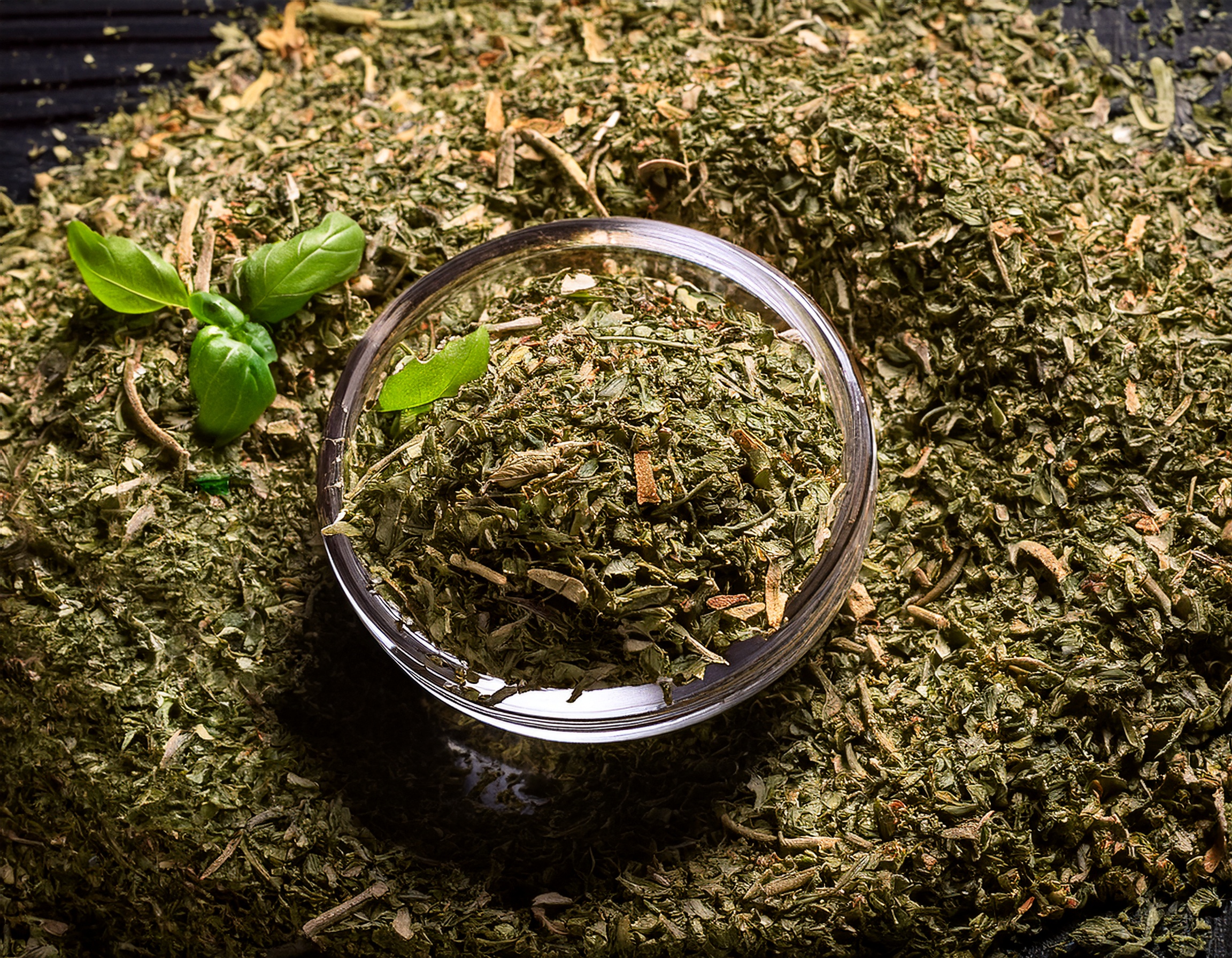
Place the basil in a mug or teapot. Pour over hot water, cover, and steep for 5 to 10 minutes. If you want a little extra warmth, add the ginger before steeping. Strain, then sip slowly.
Many people prefer to drink it about 15 to 30 minutes after a meal. That timing often feels better than drinking it in the middle of a large meal, especially if you already feel overfull.
The flavor is softer than mint and less sharp than ginger. If you use sweet basil, the tea tastes lightly savory and green. Tulsi tea tastes stronger and more herbal. Both can be pleasant when you want something warm but light.
Chew a few fresh basil leaves for quick, simple relief
If you want the easiest option, chew 4 to 5 fresh basil leaves after eating. Crush them well before swallowing so the aromatic oils release.
This works best for mild heaviness, burping, or gas, not stronger stomach upset. The taste is bright and slightly peppery, so it may not suit everyone. Still, it is a fast, no-prep option when tea isn’t practical.
Rinse the leaves first, and start with a small amount. If the flavor feels too strong, add chopped basil to a spoonful of warm rice instead.
Add basil to light meals that are easier on the stomach
Sometimes the best use of basil isn’t as a remedy by itself. It works well as part of a gentler eating pattern the next meal or the next day.
After a heavy meal day, many people feel better with foods that are simple and warm. Basil fits nicely into broth-based soup, soft rice, eggs, or a plain tomato dish. Those meals don’t ask much from your stomach, and basil adds flavor without much heaviness.
A simple option is a basil rice bowl. Warm 1 cup cooked white rice with 1/2 cup light broth. Stir in 1 tablespoon chopped fresh basil, a small drizzle of olive oil, and a pinch of salt. If you want protein, top it with a soft-cooked egg. Keep the seasoning light.
You can also make a quick basil broth. Heat 1 cup vegetable or chicken broth, add a few torn basil leaves, and let them sit for 3 minutes off the heat. Sip it slowly with toast or a few plain crackers if your stomach feels fragile.
This approach helps because it pairs basil with foods that are easy to digest. That often feels better than turning to another rich meal when your gut is already tired.
Try a basil seed drink carefully if bloating tends to come with constipation
Basil seeds are different from basil leaves. Once soaked, they form a slippery gel because of their fiber. For some people, that can support more regular bowel movements, which may help when bloating and constipation show up together.
Still, basil seeds are not always the best choice right after a very large meal. Fiber can feel like too much when your stomach already feels packed. They also need enough water, or they may make things worse.
To try them gently, soak 1 teaspoon basil seeds in 8 ounces of water for about 15 minutes. Once the seeds swell and form a gel, stir and drink. Some people add the soaked seeds to diluted juice or warm water with lemon, but plain water is fine.
Start small, then wait to see how you feel. If you notice more gas, back off. If you deal with swallowing problems, skip this method unless a healthcare professional says it’s okay. The seeds expand, so they need care.
How to use basil safely, and when stomach symptoms need more than a home remedy
Basil is easy to keep in the kitchen, and food-based use is usually modest. Even so, “natural” does not always mean right for every person or every symptom.
Simple safety tips before you make basil part of your routine
Start with a small amount, especially if your stomach is sensitive. A few leaves or one cup of tea is enough for a first try. More is not always better, and large amounts may irritate some people.
Stick with food and tea use unless you have a good reason to do more. Supplements, extracts, and concentrated oils are much stronger than fresh basil in a meal. They also raise more safety questions.
If you are pregnant, have a long-term digestive condition, or take regular medicine, check with a healthcare professional before using basil often for symptom relief. That caution matters even more with holy basil products, basil seeds, or concentrated forms.
Also, watch your personal response. If basil seems to trigger reflux, mouth irritation, or more stomach upset, stop and choose a different gentle option.
Signs it is time to talk to a healthcare professional
Basil is best for mild, occasional discomfort. Some symptoms need more attention because they can point to something more serious.
Please seek medical care if you have any of these:
- strong or worsening stomach pain
- repeated vomiting
- blood in the stool
- black, tar-like stool
- fever with stomach symptoms
- unexplained weight loss
- trouble swallowing
- bloating, pain, or indigestion that keeps coming back
Ongoing symptoms deserve a real evaluation. A herb can sometimes smooth the edges of discomfort, but it should not cover up a problem that needs diagnosis and treatment.
Basil is a practical herb to keep on hand when your stomach feels mildly bloated, too full, or slightly uneasy after a heavy meal. Its benefits are modest, yet that can still be useful in everyday life.
If you want to try it, pick one easy method. A cup of basil tea, a few fresh leaves, or basil added to a light meal is often enough to see whether it suits you.
The goal is simple, gentle support, not a miracle fix. When you use basil with realistic expectations and good judgment, it can become one small part of a calmer, more mindful wellness routine.
Stay Connected for More Natural Living Inspiration
If you enjoyed this post about herbal wellness and love discovering natural ways to refresh your home and wellness, don’t miss out on future recipes and clean-living tips! Subscribe to the blog for weekly DIYs, wellness inspiration, and herbal remedies delivered straight to your inbox.
Don’t forget to visit my LinkTree for the links to my favorite essential oils, herbal teas, natural recipes, YouTube ambiance videos for sleeping; a project I created to help with insomnia symptoms and the second channel, Rooted in Nature YouTube Channel both channels feature herbal recipes for wellness and home. And if you’re interested in essential oils along with herbal teas, feel free to visit my other websiteDI Writes and Blogs.
Thanks for coming by!
Leave a Reply
You must be logged in to post a comment.