
(DISCLAIMER: I am not a doctor, and you should consult your healthcare professional before starting any health regimen. Product links are commissioned and supports the blog)
Key Takeaways
- Peppermint oil is a popular pick for tension headaches, especially diluted on the temples.
- Ginger tea may help headache pain, and it’s especially useful when nausea comes with it.
- Feverfew is well-known for migraine relief as a preventative treatment, but study results are mixed.
- Turmeric may help calm inflammation, which can play a role in some headaches.
- Chamomile is a gentle choice when stress, muscle tightness, or poor sleep seem to trigger pain.
- Herbs work best as part of a bigger plan that includes hydration, sleep, food, and trigger awareness.
- These remedies may have side effects or interact with medications; get medical care for severe, sudden, or frequent headaches, or for headaches with warning signs.
That dull throb behind your eyes can turn a normal evening into a long one. Sometimes it creeps in after too much screen time, too little water, or a day spent carrying stress in your neck and jaw.
Some “natural remedies for headaches” may help take the edge off, especially for mild tension headaches. Others are more often used to support migraine care, mainly when nausea, inflammation, or poor sleep are part of the picture. Still, herbs aren’t a magic fix, and they won’t replace medical care when something feels serious.
A few simple choices can make home care feel less like guesswork. Let’s explore herbal remedies as a broad category for home care, including the best herbs for headaches, the easiest ways to use them, a few beginner-friendly recipes, and the safety notes that matter most.
The best herbs for headaches, and what each one does best
Not every headache feels the same, so not every natural remedy for headaches fits the same job. A tight, band-like headache after a hard day may respond differently than a migraine with light sensitivity and nausea.
Research on herbs for headaches is promising, but it’s not equally strong across the board. As of April 2026, peppermint, ginger, turmeric, chamomile, and feverfew all have some support, though feverfew results remain mixed.
Peppermint, a cooling pick for tension headaches
Peppermint is often the first herb people think of for head tension, and for good reason. Its cooling feel and clean scent can feel like opening a window in a stuffy room.
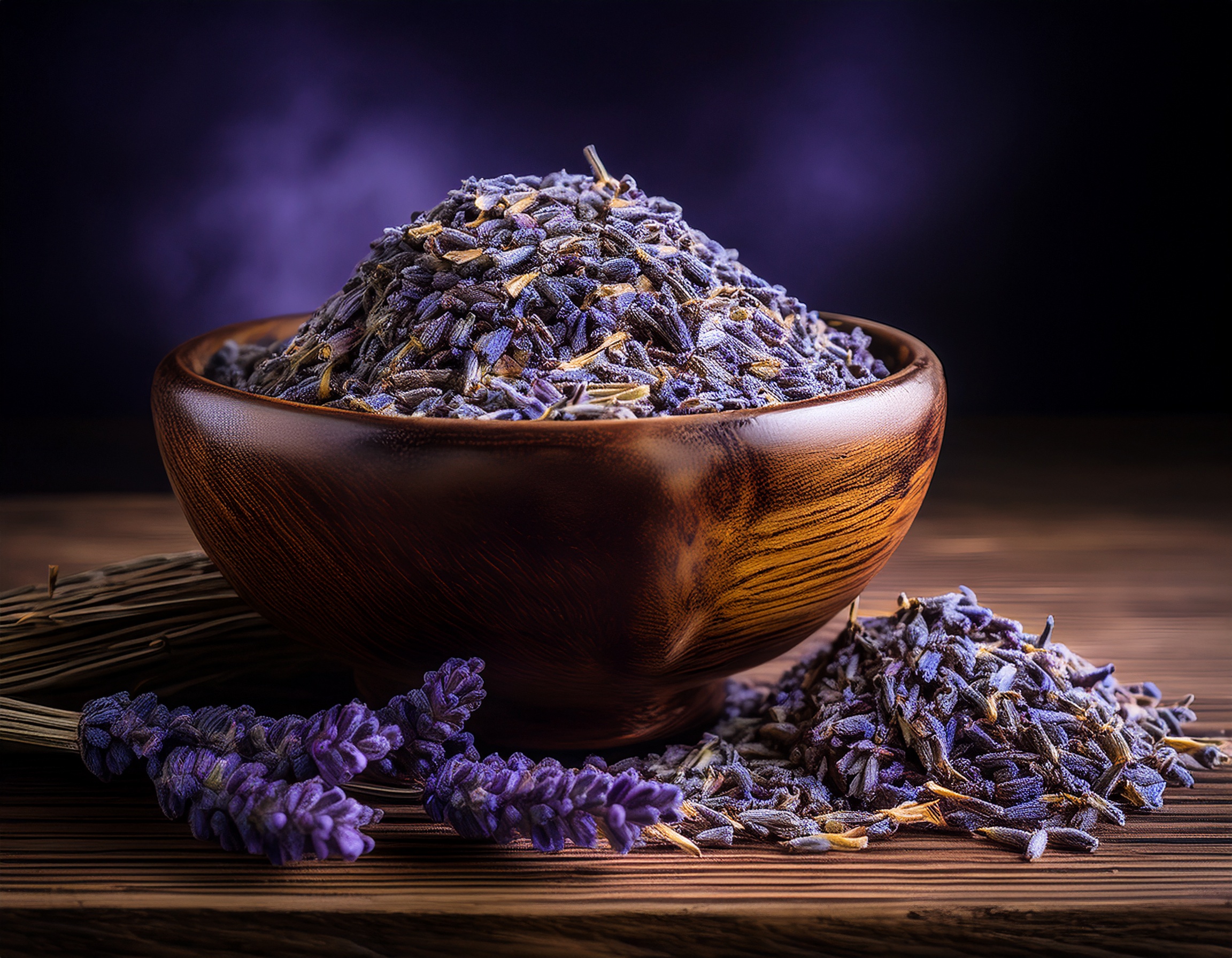
For mild tension headaches, people often use peppermint in two easy ways. One is peppermint tea, which is simple, soothing, and easy on the stomach. The other is diluted peppermint essential oil on the temples or forehead. Some small studies and reviews suggest menthol may help reduce headache pain for some people. Pair it with lavender oil in your aromatherapy routine for added relaxation.
If you enjoy home routines built around aromatherapy, this fits naturally with a guide to peppermint oil for headaches.
Keep the safety rules close here. Essential oil should always be diluted in a carrier oil, and it should stay far away from your eyes. Don’t use it on broken skin, and use extra caution around children.
Ginger, a smart choice when nausea comes with the pain
Ginger shines when headache pain brings nausea along for the ride. That makes it especially helpful for people who deal with migraines, since upset stomach and vomiting are common during attacks.
Its strength is partly tied to its anti-inflammatory properties, which may help calm pain signals. Some research also suggests ginger may reduce migraine symptoms for some people, though it’s not a replacement for prescribed treatment when migraines are severe or frequent.
The easiest forms are also the most practical. Fresh ginger tea works well, and thin slices of fresh ginger in hot water are often enough. If you want another gentle tea option, this guide to ginger tea to ease nausea fits nicely into a simple home routine.
One note matters here. Ginger may slightly thin the blood, so people who take blood thinners or have bleeding concerns should check with a healthcare professional first.
Feverfew and turmeric for migraine support and inflammation
Feverfew and turmeric offer preventative treatments for chronic migraine and inflammation. Feverfew is one of the best-known herbs for migraine prevention. Herbalists have used it for years, and researchers have studied it for decades. Still, the results aren’t neat and tidy. Some studies suggest it may reduce migraine frequency or pain, while others show little benefit.
That mixed picture doesn’t make feverfew useless. It means expectations should stay honest. For some people, it may help as part of a broader migraine plan. For others, it may do very little.
Turmeric is a different story. Its best-known active compound, curcumin, provides anti-inflammatory properties that may help calm inflammation and oxidative stress. That matters because inflammation may play a role in some migraine patterns. A small clinical trial found daily curcumin may reduce migraine frequency and length, but stronger studies are still needed.
Both herbs call for extra care. Feverfew is not safe in pregnancy, and it can cause mouth sores, nausea, or rebound symptoms if stopped suddenly after regular use. If you want to use feverfew or turmeric supplements often, talk with a healthcare professional first, especially if you take blood thinners or other daily medications.
Chamomile, a gentle herb for stress, poor sleep, and head tension
Some headaches arrive like a clenched fist. Your shoulders rise, your jaw tightens, and sleep has been poor for days. In that kind of setting, chamomile makes sense.
Chamomile won’t knock out every headache, but it may help when stress, muscle tension, or poor rest seem to feed the pain. Tea is the easiest form, and for many people it works best as part of an evening wind-down rather than a quick fix in the middle of the day.
Its soft floral taste also helps create a pause, which matters more than it sounds. If stress is part of your pattern, chamomile tea for anxiety relief can support that calmer nighttime routine.
Other Herbal Remedies and Supplements
Butterbur has evidence from studies suggesting it may lower migraine frequency. Willow bark, a staple in traditional medicine, offers pain relief similar to aspirin due to its natural salicin content. Valerian root serves as a muscle relaxant, which can ease tension-type headaches linked to stress.
Magnesium supplements, riboflavin, and coenzyme Q10 are also researched for headache support, especially in migraine prevention.
Herbs can support mild headaches, but they work best when they match the trigger behind the pain.
Simple ways to use headache herbs at home
Once you know which herb fits the moment, the next step is choosing a form you’ll use. A remedy only helps if it’s simple enough to reach for when your head hurts.
For beginners, tea and diluted topical use are usually the easiest places to start. Capsules and tinctures can be useful too, but they ask for more care with dosing and product quality.
Tea, tincture, capsule, or topical rub, how to pick the right form
Tea is the gentlest option. It’s warm, familiar, and easy to pair with rest and hydration. Peppermint, ginger, chamomile, and turmeric all work well this way, though turmeric usually tastes better blended with milk or honey. For tougher materials like willow bark, make a decoction by simmering the herb longer instead of just steeping.
Tinctures are concentrated liquid extracts. They’re handy when you want a quick dose without brewing tea, but they can taste strong. Since products vary, follow the label and buy from brands that test their herbs.
Capsules are simple for regular use, which is why people often choose them for feverfew or turmeric. The trade-off is that they feel less soothing in the moment. They’re more like steady support than comfort care.
Topical use with essential oils is best known with peppermint oil. For some people, diluted peppermint oil on the temples acts faster than tea because the cooling sensation starts right away. Use that route carefully, with dilution and a patch test first.
Three easy herbal recipes for headache support
These recipes keep things simple, because a headache is a bad time for a complicated project.
- Peppermint tea for tension
- Add 1 tablespoon dried peppermint leaves, or 1 tea bag, to 8 ounces of hot water.
- Cover and steep for 5 to 7 minutes.
- Sip slowly while resting your eyes and shoulders.
- Fresh ginger tea for headache with nausea
- Slice 1 to 2 inches of fresh ginger root.
- Simmer in 2 cups of water for 10 minutes.
- Strain, then add honey or lemon if you like.
- Drink warm, in small sips if your stomach feels unsettled.
- Diluted peppermint temple oil
- Mix 1 drop peppermint oil with 1 teaspoon carrier oil, such as jojoba or sweet almond.
- Dab a small amount on the temples and the back of the neck.
- Keep it away from the eyes, nostrils, and broken skin.
Chamomile tea for evening stress
If evening stress sets the stage for your headaches, chamomile tea is another easy add-on. Steep 1 chamomile tea bag, or 1 tablespoon dried flowers, in 8 ounces of hot water for about 5 minutes.
Always patch test topical blends first. Stop right away if burning, rash, or irritation starts.
Frequently Asked Questions
Can herbs completely cure headaches?
No, herbs like peppermint, ginger, and feverfew offer supportive relief for mild headaches or migraine patterns, but they aren’t a cure. They work best alongside hydration, sleep, stress management, and trigger tracking. For severe or frequent headaches, see a healthcare professional rather than relying on herbs alone.
Are these herbs safe for daily use?
Some, like chamomile tea or diluted peppermint oil, are gentle for occasional use, but others like feverfew or turmeric supplements need caution with long-term dosing. They can interact with medications, affect bleeding risk, or cause side effects like mouth sores. Start low, track your response, and consult a doctor for regular use, especially with health conditions or blood thinners.
What’s the best herb for tension headaches versus migraines?
Peppermint and chamomile suit tension headaches tied to stress or muscle tightness, often via tea or topical oil. Ginger helps when nausea joins the pain, while feverfew and turmeric lean toward migraine prevention, though evidence varies. Match the herb to your symptoms and triggers for the best fit.
How do I store and prepare these herbs safely at home?
Store dried herbs or teas in airtight containers away from light and heat; essential oils in dark glass bottles. Always dilute oils, patch test topicals, and use fresh ingredients for teas to avoid spoilage. Buy from trusted sources with third-party testing to ensure quality and avoid contaminants.
Use herbs safely, and know when a headache needs medical care
Natural doesn’t always mean harmless. Herbs can cause side effects, interact with medicines, affect bleeding risk, trigger allergies, or simply be the wrong fit for your body.
That’s why home care works best for mild, familiar headaches, not for pain that feels new, severe, or alarming.
Who should be extra careful with herbal remedies
Pregnant or breastfeeding women should be cautious, especially with feverfew and concentrated supplements. People who take blood thinners also need extra care, since ginger, turmeric, and feverfew may have side effects that affect bleeding risk.
Allergies matter too. If you react to ragweed or plants in the daisy family, chamomile or feverfew may not be a good match. If you use pain medicine often, especially for migraines, talk with a clinician before piling herbs on top. Frequent medicine use can sometimes lead to rebound headaches, and that changes the plan.
Chronic health conditions also shift the picture. If you have liver disease, gallbladder issues, seizure disorders, stomach ulcers, or autoimmune disease, check first before using supplements regularly.
Supplement quality can vary a lot. If you use capsules or tinctures, choose standardized products from trusted brands with third-party testing when possible.
Red flags you should never ignore
Some headaches should never be handled with tea and hope. Get urgent medical care if you have:
- A sudden, severe headache that hits like a thunderclap
- A headache after a head injury
- Trouble speaking, weakness, numbness, or facial drooping
- Fever, stiff neck, or confusion
- New vision changes
- Headaches that are happening more often, lasting longer, or changing pattern
Herbs are for mild support, not emergency care. If your body is waving a red flag, listen.
A headache journal can help you spot patterns before pain takes over the week. The best herbs for headaches depend on the kind of pain, the trigger behind it, and how your body responds.
Peppermint often makes sense for tension. Ginger is a smart pick when nausea shows up. Chamomile fits the evening hours when stress and poor sleep seem to be feeding the ache.
Start small, keep notes, and watch for patterns in your dietary triggers, caffeine intake, sleep, stress, and hydration. Over time, that simple record may teach you more than any single remedy. It can help you choose the right herb at the right moment, distinguishing acute treatments for immediate pain from preventative treatments that reduce headache frequency.
Stay Connected for More Natural Living Inspiration
If you enjoyed this post about herbal wellness and love discovering natural ways to refresh your home and wellness, don’t miss out on future recipes and clean-living tips! Subscribe to the blog for weekly DIYs, wellness inspiration, and herbal remedies delivered straight to your inbox.
Don’t forget to visit my LinkTree for the links to my favorite essential oils, herbal teas, natural recipes, YouTube ambiance videos for sleeping; a project I created to help with insomnia symptoms and the second channel, Rooted in Nature YouTube Channel both channels feature herbal recipes for wellness and home.
Thanks for coming by!
Leave a Reply
You must be logged in to post a comment.