(DISCLAIMER: I am not a doctor, and you should consult your healthcare professional before starting any health regimen.)
Key Takeaways
- Calendula officinalis is the herbal form most often used for teas, oils, and salves.
- It’s best known for soothing and supporting skin, especially when skin feels dry, rough, or stressed.
- Common home uses include tea, infused oil, salve, compresses, and baths.
- Dried petals work best for oil infusions because they lower the risk of spoilage.
- People with ragweed-family allergies should use extra care and patch test first.
A patch of calendula looks like a small sunrise in the garden, all orange and gold, soft petals catching the light. It’s cheerful to grow, easy to spot, and loved far beyond flower beds.
Also called pot marigold, calendula is an herb people have used for generations in teas, infused oils, salves, and bath blends. Many reach for it when they want something gentle for skin care or simple herbal self-care at home. Let’s make it practical, from benefits and basic uses to safety and an easy beginner recipe.
What calendula is and why people have trusted it for so long
Calendula is a flowering herb, not only a pretty border plant. Its petals have long been tucked into jars of oil, steeped into tea, and stirred into salves for simple home care. That long history matters because it shows how often people returned to it for comfort.
In folk practice, calendula became a go-to herb for skin. People also used it in rinses, compresses, and warm cups of tea. The flower looks bright and sunny, and its preparations often carry that same warmth, golden oil, amber tea, and rich yellow salves.
What makes calendula stand out is its gentle feel. It isn’t the kind of herb that tries to impress with drama. Instead, it works like a soft cotton cloth on tired skin, comforting, plain, and welcome.
Calendula fits best into everyday care, not miracle talk. Think support, not hype.
Calendula vs marigold, the easy difference to remember
This trips up many gardeners. Calendula officinalis is the herb commonly used in wellness products. It’s often called pot marigold.
By contrast, many common garden marigolds belong to the Tagetes group. They may look similar at a glance, but they are not used the same way in herbal skin care and tea. If you’re buying dried petals, seeds, or salve, check for the full name Calendula officinalis.
The parts used and what they contain
The main parts used are the flower heads and petals. Those bright petals hold natural plant compounds that help explain calendula’s popularity.
These include flavonoids, carotenoids, resins, and plant oils. In plain terms, those compounds are tied to calendula’s soothing feel and rich color. They also make the herb a favorite for infused oils, salves, and cheerful tea blends.
Top calendula benefits for skin, comfort, and everyday wellness
Calendula earns its place in natural care because it’s flexible and approachable. You don’t need a shelf full of gear to use it. A jar, a carrier oil, and dried petals can take you far.
For skin, calendula is most often used to comfort dry, rough, or tender areas. It’s a common pick for elbows, hands, cuticles, and spots that feel weather-worn. Some people also use it after time in the sun or whenever skin feels stressed and thirsty.
Its value goes beyond looks. Calendula preparations can turn small acts of care into rituals you’ll keep. A warm compress on tired skin, a little salve before bed, or a bath with petals floating on top can feel like slowing the day down on purpose.
If you already keep a shelf of gentle home remedies, calendula fits right in beside other plant-based first aid staples.
Why calendula is a favorite for dry, tender, or stressed skin
Infused calendula oil feels light and simple. Salves and creams feel richer and stay in place longer. Both are common choices for skin that feels dry, chapped, or overworked.
That’s why calendula shows up in lip balms, hand salves, and body creams. Many people like it for after-sun care or for skin that needs a softer touch. It doesn’t have to be fancy to be useful.
Gentle ways people use calendula inside and outside the body
Topical use comes first for most people. They use calendula in oils, salves, creams, baths, facial steam blends, and warm compresses.
Some also drink calendula tea as a traditional herbal infusion. Others use cooled tea in a rinse or soak cloths in it for a calming compress. As with any herb, keep expectations grounded and pay attention to how your body responds.
The best ways to use calendula at home
Calendula is one of those herbs that adapts to your routine. You can sip it, soak in it, or smooth it onto your skin. Each form has its own place.
Calendula tea, infused oil, and salve, when to use each one
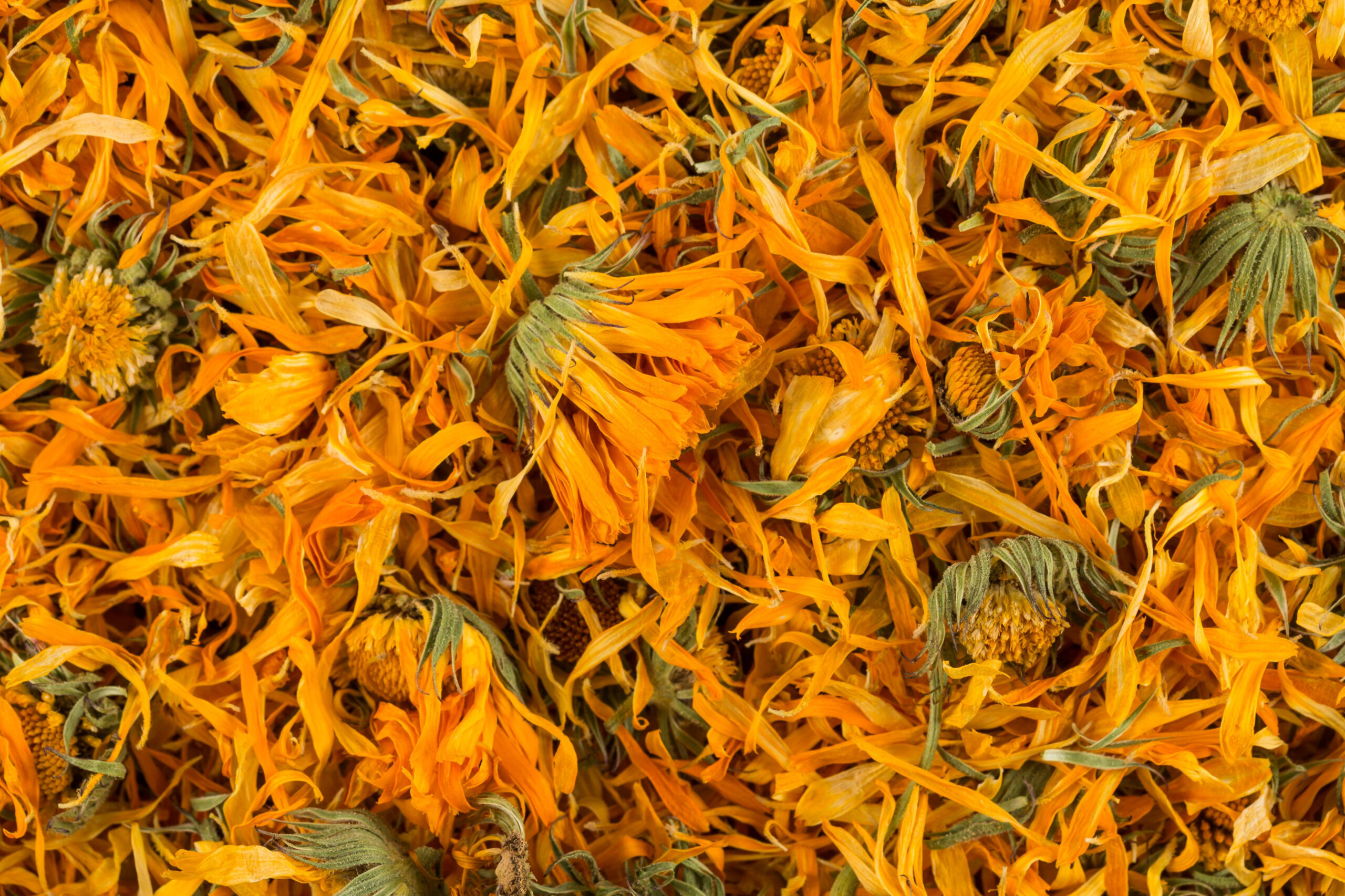
Tea is the easiest starting point. Steep dried calendula petals in hot water, strain, and sip. The taste is mild, slightly earthy, and a little floral. Some people blend it with chamomile or peppermint to round out the flavor.
Infused oil is for skin. You soak dried petals in a carrier oil, such as olive or sweet almond oil, so the oil takes on calendula’s color and skin-friendly qualities. Use it as a body oil, massage oil, or base for a balm.
Salve is simply a thicker version of infused oil. Beeswax gives it body, so it stays put on small dry patches, cuticles, or rough hands.
Petals can also be added to a warm bath or tied in muslin for a soothing soak. A handful in a bowl of hot water works well for a simple facial steam, too, if your skin likes that kind of care.
Use dried calendula for oils and salves. Fresh flowers hold water, and that extra moisture can shorten shelf life.
An easy calendula infused oil recipe beginners can follow
This slow method is simple and reliable.
You’ll need:
- 1 clean, dry glass jar
- 1 cup dried calendula petals or flower heads
- 1 to 1 1/4 cups carrier oil, such as olive oil or sweet almond oil
- Cheesecloth or a fine strainer
- A dark glass bottle or clean jar for storage
How to make it:
- Fill your jar about halfway with dried calendula.
- Pour in the carrier oil until the flowers are fully covered by about 1 inch.
- Stir with a clean spoon to release air bubbles.
- Seal the jar and place it in a warm, dark spot.
- Let it infuse for 2 to 4 weeks. Shake gently every day or two.
- Strain out the petals using cheesecloth or a fine strainer.
- Pour the finished oil into a dark bottle or a clean jar with a tight lid.
How to store it:
Keep the oil in a cool, dark place. Label it with the date. If it smells off or looks cloudy from moisture, discard it. When made with fully dried petals and stored well, it often keeps for several months.
Use a small amount on clean skin wherever you want a soft, simple layer of comfort.
How to choose, grow, dry, and store calendula for the best results
Calendula is generous. It grows easily, blooms freely, and dries well if you handle it with care. That makes it a smart herb for beginners.
What to look for when buying dried calendula or skin care products
Good dried calendula should look bright, not brown and dull. The scent should be light and clean, never musty. If you can choose, go for organic or carefully grown flowers from a trusted source.
For oils, balms, and salves, read the ingredient list. Simpler is often better. A gentle calendula salve doesn’t need heavy fragrance or a long list of fillers.
If you want to grow it, give calendula sun and decent soil. It doesn’t ask for much. Pinch or harvest blooms often, and it usually keeps producing. Flowers are best picked on a dry day after the dew is gone.
Simple storage tips so calendula stays fresh longer
Dry the flowers in a warm, airy space out of direct sun. Once they feel crisp, store them in an airtight jar.
Keep dried calendula cool, dark, and dry. Light, heat, and moisture fade color and weaken quality over time. Think of dried herbs like pantry spices, they last longer when you keep them away from steam and sun.
Calendula safety, side effects, and when to be careful
Calendula is gentle, but gentle doesn’t mean risk-free. Herbs can still cause reactions, especially on sensitive skin.
The biggest caution is allergy. Calendula belongs to the Asteraceae family, along with ragweed, daisies, and chrysanthemums. If those plants bother you, take extra care with calendula.
Topical products can also irritate some people, even when the ingredient list looks clean. Fragrance blends, preservatives, or essential oils added to a calendula balm may be the real problem, so check labels closely.
If you’re pregnant, breastfeeding, taking medication, or thinking about regular internal use, it’s wise to ask a qualified health professional first. That goes double if you have a history of plant allergies.
Who should patch test or talk with a health professional first
Patch testing is the smart first step for nearly everyone. Dab a little diluted calendula oil or salve on a small area of skin and wait 24 hours.
Take extra care if you:
- Have allergies to ragweed-family plants
- React easily to skin products
- Are pregnant or breastfeeding
- Take medicines and want to use calendula tea often
Herbal care should feel calm, not risky. If your skin turns red, itchy, or uncomfortable, stop using it.
Calendula doesn’t ask much from you. That’s part of its charm. A jar of dried petals, a little oil, and a bit of patience can turn this bright flower into something useful for daily care.
If you’re new to herbs, start small with calendula tea or the infused oil recipe above. Pick one simple use this week and see how this sunny, humble herb fits into your routine.
Stay Connected for More Natural Living Inspiration
If you enjoyed this post about herbal wellness and love discovering natural ways to refresh your home and wellness, don’t miss out on future recipes and clean-living tips! Subscribe to the blog for weekly DIYs, wellness inspiration, and herbal remedies delivered straight to your inbox.
Don’t forget to visit my LinkTree for the links to my favorite essential oils, herbal teas, natural recipes, YouTube ambiance videos for sleeping; a project I created to help with insomnia symptoms and the second channel, Rooted in Nature YouTube Channel both channels feature herbal recipes for wellness and home.
Thanks for coming by!
Leave a Reply
You must be logged in to post a comment.