
(DISCLAIMER: I am not a doctor, and you should consult your healthcare professional before starting any health regimen.)
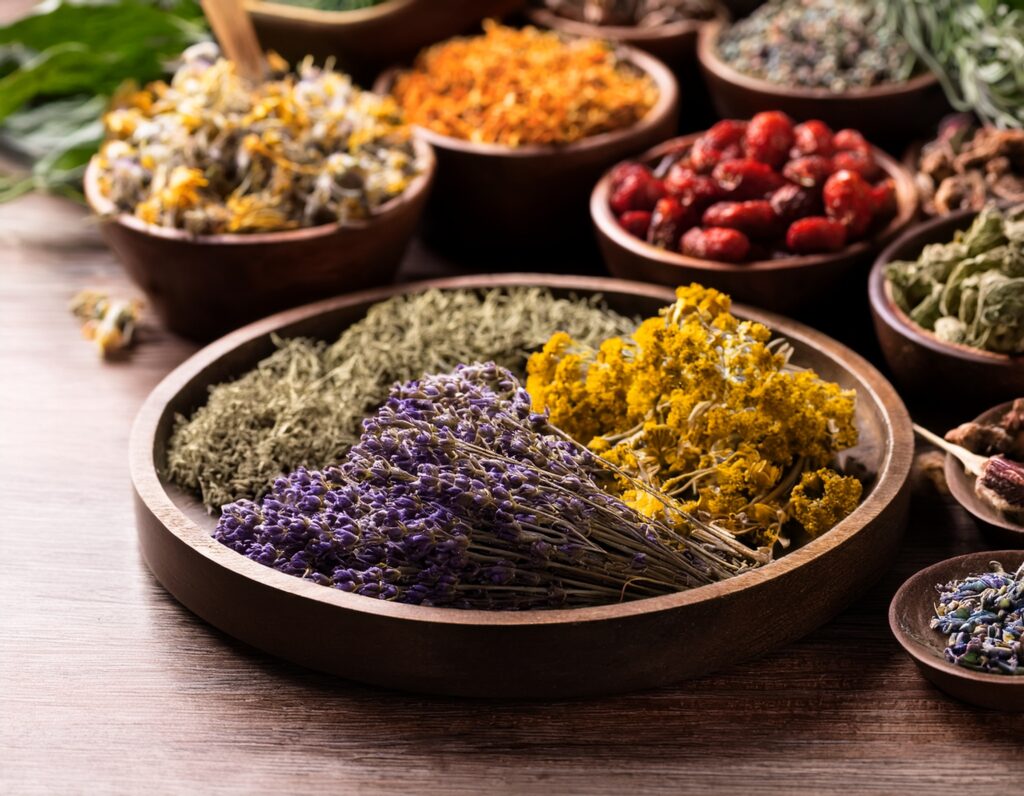
Need a calming herb that doesn’t feel fussy? Lemon balm (Melissa officinalis) has a light citrus scent, a soft mint flavor as a member of the mint family, and a long history in teas and herbal remedies.
Many people reach for it when anxiety and stress are high, sleep feels off, or digestion gets tight and uneasy. The good news is that lemon balm can be simple to use. The better news is that you don’t need wild claims to appreciate it.
The most useful approach is practical. Start with the lemon balm benefits that have the best support, then choose the form that fits your routine.
Which lemon balm benefits are most realistic?
Think of lemon balm, Melissa officinalis, as mint’s gentler cousin. Traditional herbal use points to calm nerves, easier rest, and a more settled stomach. It contains phenolic compounds like rosmarinic acid and caffeic acid, which provide antioxidant properties and anti-inflammatory properties.
Modern research doesn’t make it a cure-all. Still, results look promising for anxiety and stress, sleep quality, and cognitive function. Research has explored its use for symptoms of Alzheimer’s disease. A PubMed summary of the meta-analysis found helpful effects in several clinical trials for mood regulation by increasing GABA levels to create a calming effect, although the study designs and doses were not all the same.
Some trials used lemon balm alone. Others paired it with valerian or other herbs. That makes results harder to compare, but it still suggests a calming pattern.
That matters because lemon balm seems best for everyday tension, not severe symptoms. If anxiety, insomnia, or low mood is intense or long-lasting, an herb shouldn’t replace proper care.
If your mind gets loud at bedtime, lemon balm may help take the edge off rather than knock you out. That’s an important difference, and it helps set realistic expectations.
Some people also notice that stress lands in the gut first. Because lemon balm may have mild relaxing effects on digestive muscles, a warm cup can feel soothing for digestive issues after a tense day or heavy meal.
Skin use has a place, too. A clinical review of lemon balm research found it was generally well-tolerated and discussed possible topical use, including support for cold sores caused by the herpes simplex virus in some products.
Part of the appeal is how approachable it is. The taste is mild, the plant is easy to grow, and the herb fits daily life without much fuss.

Photo by Youssef Samuil
Best ways to use lemon balm at home
Before you pick a form, it helps to match the herb to the moment.
| Form | Best for | Simple tip |
|---|---|---|
| Tea | Evening calm, tense digestion, menstrual cramps, intestinal gas | Steep 5 to 10 minutes |
| Tincture | Small, quick servings | Start at the label’s low end |
| Capsules | More consistent dosing | Choose brands with clear amounts |
| Fresh leaves | Garden-to-kitchen use | Bruise leaves to release aroma |
| Infused water | Light daytime flavor, infantile colic | Chill leaves in water for 1 to 2 hours |
| Cooking | Fruit, yogurt, herb butter | Add near the end for better flavor |
| Topical balm or cream | Lip area or minor skin care | Patch test first |
Lemon balm tea and fresh leaves suit most beginners. Tinctures and capsules can be handy, but they call for more label reading and a little more care.
You don’t have to use the same form every day. Lemon balm tea fits slow evenings, while infused water or fresh leaves work well earlier in the day.
lemon balm tea is the easiest starting point
For most people, lemon balm tea is the best first step. Use about 1 tablespoon of fresh leaves or 1 to 2 teaspoons of dried leaves per cup of hot water. Then steep for 5 to 10 minutes and strain.
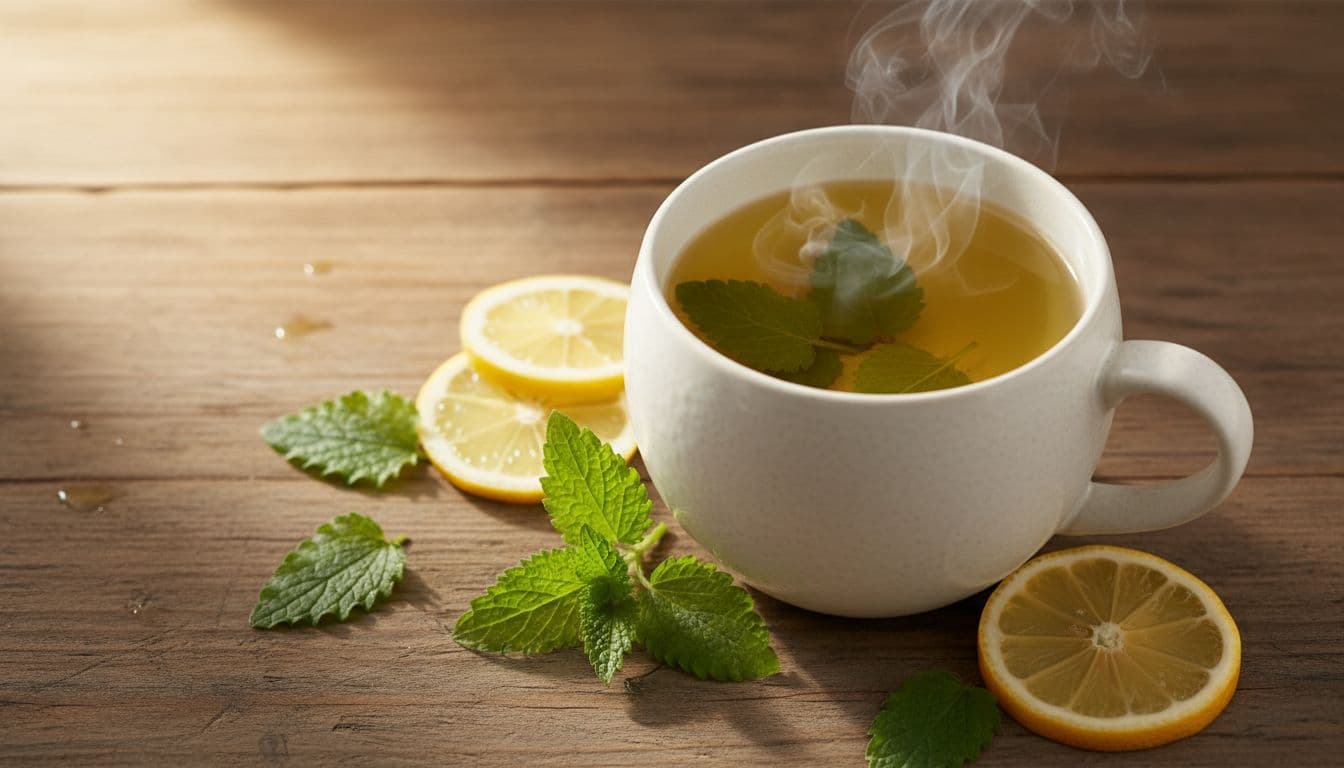
Many people drink lemon balm tea 30 to 60 minutes before bed or after dinner. Start with one cup so you can gauge its calming effect.
If you want a softer cup, blend lemon balm with chamomile. For a brighter taste, add lemon after steeping, not during it. That keeps the herb’s light scent from getting buried.
Tinctures and capsules work when you want more convenience
A tincture gives you a small serving without brewing tea. Because strength varies a lot, follow the product directions and begin at the low end. If you feel sleepy, save it for evening.
Capsules can make sense if you want the same amount each time. That’s helpful when you’re tracking how you feel. Look for products that list the plant form, serving size, and any added herbs, since blends can change the effect.
If a product combines lemon balm with valerian, passionflower, or hops, expect a stronger calming effect for anxiety and stress. That may help at night, but it can be too much before driving or work.
Fresh leaves, infused water, cooking, and topical use
Fresh lemon balm shines in warm weather. Crush a few leaves into cold water, stir them into fruit salad, or chop them into yogurt, soft cheese, or pesto. The flavor is light, so add it near the end of cooking.
A handful of leaves can also soften sharp dressings and pair well with berries, melon, peas, and cucumber. If you grow it at home, harvest young leaves after the dew dries.
They bruise easily, so handle them gently. The plant’s essential oil, containing citral and volatile oils, provides its bright aroma. You can also dry a small bundle for later tea, though the fresh plant has the brightest aroma.
Topical lemon balm, a staple in complementary medicine, usually comes as a cream, salve, or balm. People often use it around the lip area or on minor irritated spots. Patch test first, and don’t put it on deep, open, or infected skin unless a clinician says it’s okay.
Safety, interactions, and when to ask for medical advice
Gentle herbs can still cause problems when they mix with the wrong medicine.
Lemon balm is well-tolerated for many adults, but side effects can happen. Drowsiness, headache, or mild stomach upset are the most common complaints. Because it may have calming effects and impact acetylcholine levels, use extra care if you take sleep aids, sedatives, or drink alcohol.
It can also interact with other medicines. A current interaction and warning overview is a good starting point, but a pharmacist can give you a better answer for your own list.
Thyroid concerns deserve special care. Some references note that lemon balm may affect thyroid activity. So if you have thyroid disease or take thyroid medication, get advice before using it often.
Pregnancy and breastfeeding are different because good safety data is limited. In that case, skip regular self-treatment unless your doctor, midwife, or pharmacist says it’s a good fit.
If you have a long list of medicines, autoimmune disease, or a history of hormone or thyroid issues, a quick check-in is wise before daily use.
When you try any new form, keep it simple. Start low, use one product at a time, and watch how you feel for a day or two. With creams, salves, or essential oil products, patch test on a small area first.
Seek medical advice if you notice hives, wheezing, strong dizziness, or symptoms that get worse instead of better. The same goes for ongoing anxiety, sleep trouble, digestive pain, or frequent cold sores, because an herb shouldn’t hide a bigger problem. Topical lemon balm leverages its antiviral activity for cold sores effectively.
Lemon balm works best as a gentle helper with antioxidant properties and anti-inflammatory properties, supporting lemon balm benefits like improved cognitive function and mood regulation, not a magic fix. Tea, fresh leaves, and infused water are the easiest ways to start, while tinctures, capsules, and topical products can fit more targeted routines.
Start small, pay attention, and keep safety in the picture. A simple cup of lemon balm tea may be enough to bring a little calm back into a busy day.
Stay Connected for More Natural Living Inspiration
If you enjoyed this post about herbal wellness and love discovering natural ways to refresh your home and wellness, don’t miss out on future recipes and clean-living tips! Subscribe to the blog for weekly DIYs, wellness inspiration, and herbal remedies delivered straight to your inbox.
Don’t forget to visit my LinkTree for the links to my favorite essential oils, herbal teas, natural recipes, YouTube ambiance videos for sleeping; a project I created to help with insomnia symptoms and the second channel, Rooted in Nature YouTube Channel both channels feature herbal recipes for wellness and home. And if you’re interested in essential oils along with herbal teas, feel free to visit my other websiteDI Writes and Blogs.
Thanks for coming by!
