(DISCLAIMER: I am not a doctor, and you should consult your healthcare professional before starting any health regimen.)
Key Takeaways
- Capadulla is usually sold as bark from a woody vine linked to Doliocarpus dentatus.
- It has a long history in Caribbean and South American herbal traditions.
- The most common folk use is for libido, sexual vitality, and general strength.
- Some people also use it in tonics for energy, back discomfort, or “blood cleansing.”
- Research is still early, and there are no strong human trials confirming the biggest claims.
- Beginners usually start with a simple simmered tea or a basic tincture.
- Start small, buy from trusted sellers, and stop if it doesn’t agree with you.
Some herbs feel soft and familiar. Capadulla usually doesn’t. It’s more often sold as rough bark from a traditional medicinal vine, and first-time buyers are often left wondering what, exactly, they’re holding.
In Caribbean and South American herbal practice, capadulla is commonly linked to Doliocarpus dentatus. People often turn to it for vitality, sexual wellness, and old-style herbal tonics. That history matters, but so does a calm reality check: modern human research is still limited, and product labels don’t always tell the full story.
If you’re curious about capadulla, the goal is simple, understand what it is, how people traditionally use it, and how to approach it with care.
What capadulla is and where it comes from
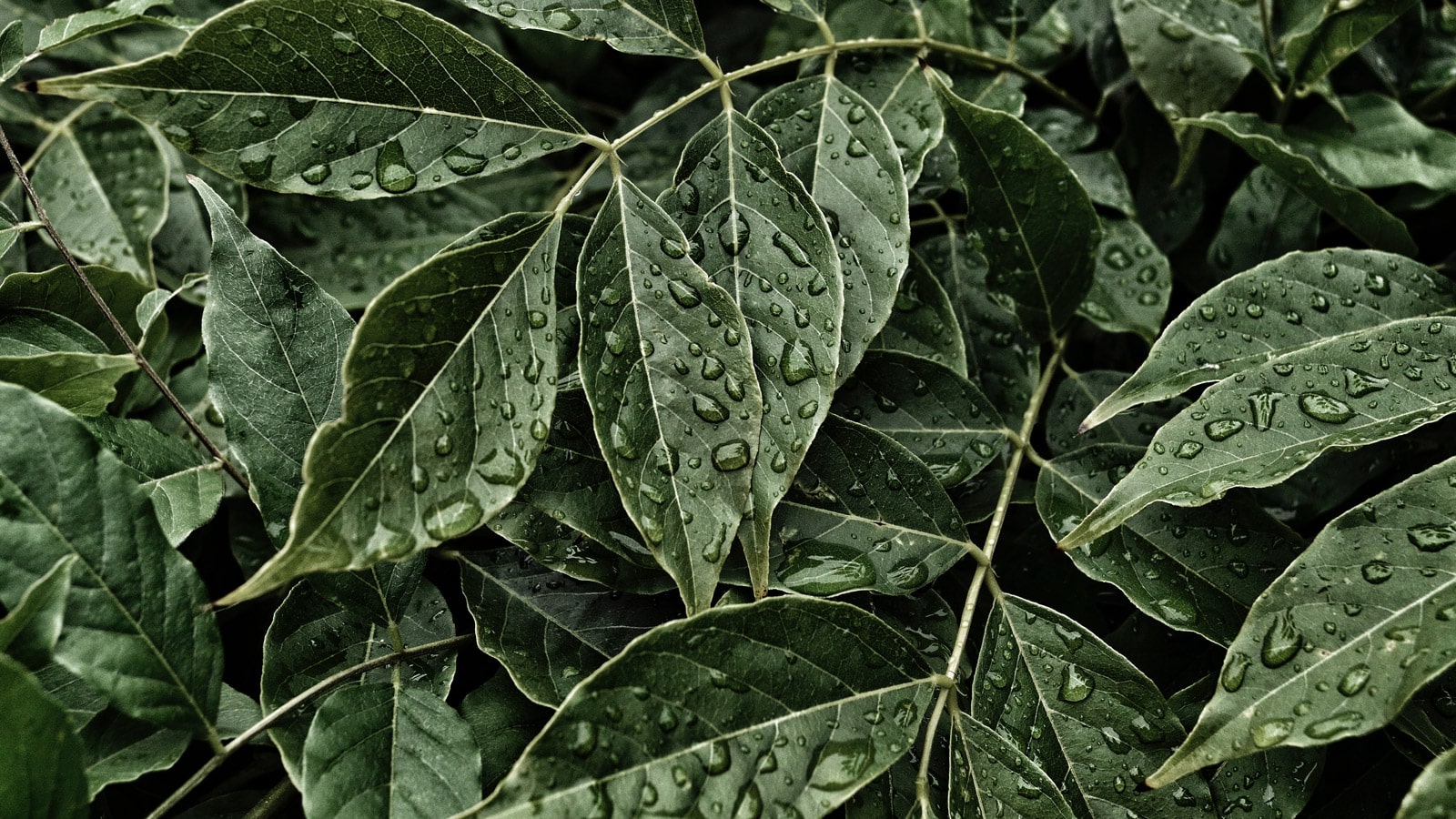
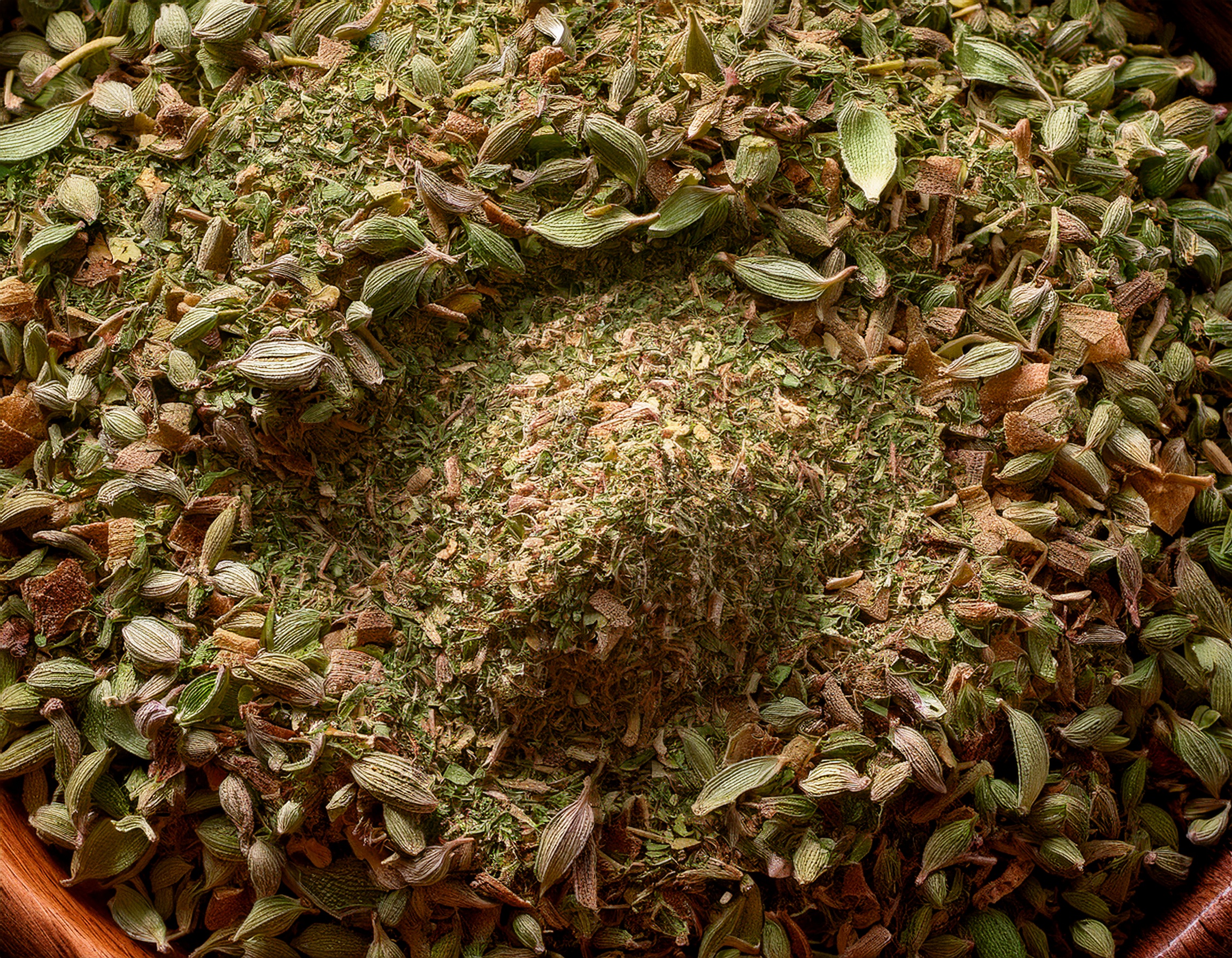
Capadulla is usually described as a climbing or woody vine from parts of the Caribbean and South America. In herbal markets, the part most people see is not a fresh leaf or flower. It’s dried bark, often sold in strips, chunks, or shaved pieces.
The name can get a little messy. Depending on the region, seller, or tradition, you may see capadulla listed under slightly different spellings or grouped with different local names. Some products mention Doliocarpus dentatus directly, while others only say “capadulla bark.” For beginners, that matters because labels can look more certain than the plant trade really is.
A good first step is to read the package carefully. Look for the botanical name when possible, check where it was sourced, and avoid products that make big promises without basic details.
Why the bark is the part most people talk about
Traditional preparations can use bark, stems, roots, and sometimes other parts of the vine. Still, bark is the form most beginners run into online or in herbal shops. It’s the easiest part to dry, package, ship, and use in decoctions, which are simmered herbal drinks made from tougher plant material.
That also shapes expectations. If you’re buying capadulla for the first time, you’re not usually getting a mild tea herb like chamomile. You’re getting a stronger, woodier material that needs more heat and time to extract.
How people traditionally use capadulla
Capadulla is best known in folk practice as a vitality herb. People often use it in old-style tonics meant to support stamina, sexual wellness, and general vigor. In some traditions, it is taken alone. In others, it is mixed with herbs such as sarsaparilla or steeped in alcohol-based preparations.
That doesn’t mean every traditional claim is proven. It means capadulla has a place in regional herbal use, especially where tonic herbs are part of everyday wellness culture.
The most common traditional claim, libido and sexual vitality
If capadulla has a reputation, this is the one. In folk use, it is widely described as an aphrodisiac and is often included in remedies aimed at low libido, erectile concerns, premature ejaculation, or sexual stamina.
This is the area where many product claims get loud. The evidence does not. As of April 2026, there are no large, high-quality human trials showing that capadulla reliably improves sexual performance in the way many sellers imply. Traditional use can be meaningful, but it is not the same as clinical proof.
Other folk uses, energy, pain support, and herbal tonics
Outside sexual wellness, some traditions use capadulla for energy, back discomfort, or general stimulation. It may also appear in “blood cleansing” formulas, which is a traditional herbal idea, not a modern medical term.
You may also see older references to broader folk uses, including colds, pain, or mixed tonic formulas. Those reports are part of herbal history. They should not be read as confirmed treatment claims.
What research says so far, and what is still unknown
This is where it’s helpful to slow down. Capadulla has traditional credibility, but modern research is still thin, especially in humans. Most of what exists comes from lab analysis, plant chemistry work, and preclinical studies.
A 2023 analysis of Doliocarpus dentatus found a range of plant compounds, including polyphenols that may have antioxidant activity. That’s interesting, but it doesn’t tell us how the herb will act in a real person using bark tea at home.
Promising findings from early studies
Early research suggests capadulla may have antioxidant potential, and some preclinical findings point to anti-inflammatory, pain-relief, antibacterial, and anti-parasitic activity. Those signals come from lab or animal work, not from strong human testing.
In simple terms, the plant looks active. It does not look settled. Preclinical results are like a first sketch, helpful, but incomplete.
Traditional use can point researchers in a useful direction. It cannot replace human evidence.
Why beginners should stay realistic about the benefits
There are still no well-established human trials confirming capadulla for libido, energy, erectile support, or broad healing effects. That’s the main gap.
So where does that leave a beginner? In a sensible middle ground. You can view capadulla as a traditional herb with a long cultural history and some early scientific interest. You shouldn’t view it as a guaranteed fix, a fast substitute for medical care, or proof that “natural” always means safe.
How beginners can prepare capadulla at home
Because capadulla is usually sold as bark, the most beginner-friendly methods are simple simmered tea and alcohol-based extracts. Start basic. You can always decide later whether the herb fits your routine.
A simple capadulla tea recipe to start with
A decoction is the easiest place to begin because bark needs more than a quick steep.
- Add about 1 tablespoon of dried capadulla bark to 2 to 3 cups of water in a small pot.
- Bring it to a light boil, then lower the heat and simmer for 15 to 20 minutes, until the liquid reduces a bit.
- Strain, let it cool slightly, and start with a small serving, such as 1/4 to 1/2 cup.
The flavor may be strong, earthy, or bitter. Some people re-simmer the same bark once or twice if there is still color and taste left in it, but beginners don’t need to stretch it that far. Start small and see how your body responds before drinking more.
If strong bark teas tend to upset your stomach, gentler herbal teas for bloating relief may be a better everyday option.
A stronger traditional-style drink or tincture option
A common second option is a simple tincture. This is more concentrated and easier to store, but it also calls for more caution.
- Place chopped dried bark in a clean glass jar and cover it fully with vodka or another neutral alcohol.
- Seal the jar, store it in a cool spot, and shake it every day or two for about 4 to 6 weeks.
- Strain the liquid into a dark bottle and use only a small amount at first, usually diluted in water.
Some traditional preparations are stronger and may combine capadulla with other herbs or with wine or rum. Those formulas are part of folk practice, but beginners are usually better off keeping things simple. One herb, one method, low amounts.
Safety tips and who should be careful
Capadulla may sound appealing because of its old herbal reputation, but the safety picture is still limited. That means it deserves the same care you would give any strong, unfamiliar herb.
Buy from a seller that lists the plant clearly, skip products with exaggerated claims, and don’t mix several new herbs at once. If something feels off, stop.
Possible side effects and smart first steps
Because strong human safety data is lacking, the most honest answer is that side effects are not well mapped out. General herb-related reactions may include stomach upset, nausea, dizziness, headache, or an allergic response.
A careful first step is to use a very small amount and keep notes. Pay attention to digestion, energy, skin reactions, and anything unusual. If you already know that bitter or strong decoctions don’t sit well with you, capadulla may not be the best place to experiment.
Who should avoid capadulla unless a professional says it is okay
Pregnant or breastfeeding people should avoid capadulla because safety has not been established, and some traditional reports suggest strong reproductive effects from parts of the plant. It is also not a good fit for young children.
Use extra caution if you have liver concerns, take prescription medicines, or manage an ongoing health condition such as blood pressure issues, hormone-sensitive conditions, or sexual health symptoms that need medical evaluation. When the evidence is thin, a healthcare professional can help you avoid guesswork.
Conclusion
Capadulla has a long place in traditional herbal use, especially around vitality and sexual wellness. That’s part of its appeal, and it’s easy to see why people are curious.
Still, tradition and proof are not the same thing. Right now, capadulla is best understood as a culturally important herb with limited modern evidence, not a guaranteed answer in bark form.
For beginners, the wisest approach is simple: buy carefully, start with small amounts, keep expectations realistic, and let safety lead the way.
Stay Connected for More Natural Living Inspiration
If you enjoyed this post about herbal wellness and love discovering natural ways to refresh your home and wellness, don’t miss out on future recipes and clean-living tips! Subscribe to the blog for weekly DIYs, wellness inspiration, and herbal remedies delivered straight to your inbox.
Don’t forget to visit my LinkTree for the links to my favorite essential oils, herbal teas, natural recipes, YouTube ambiance videos for sleeping; a project I created to help with insomnia symptoms and the second channel, Rooted in Nature YouTube Channel both channels feature herbal recipes for wellness and home. And if you’re interested in essential oils along with herbal teas, feel free to visit my other website DI Writes and Blogs.
Thanks for coming by!
Leave a Reply
You must be logged in to post a comment.