
(DISCLAIMER: I am not a doctor, and you should consult your healthcare professional before starting any health regimen. Product links are commissioned and supports the blog)
Key Takeaways
- Flavor profile: Soft, sweet, lightly floral, and gently peppery, with a warm finish.
- Best cooking uses: Chicken, eggs, vegetables, beans, tomato sauces, and light soups (it shines when you want herbal flavor without a heavy “pizza spice” vibe).
- Tea basics: Steep 1 to 2 teaspoons dried marjoram (or 1 tablespoon fresh) in hot water for about 5 to 10 minutes, then strain.
- Top substitutes (simple ratios):
- Oregano: Start with half the amount (it’s stronger), then adjust.
- Thyme: Usually a 1:1 swap, great in soups and roasts.
- Summer savory: 1:1 swap for a gentle, similar herbal note.
- Essential oil safety: Diffuse in short sessions, and dilute before skin use (never apply neat). Avoid use if you’re pregnant or nursing unless a clinician says it’s ok.
- Storage tips: Keep dried marjoram airtight, away from heat and light. Replace if it smells dusty or weak.
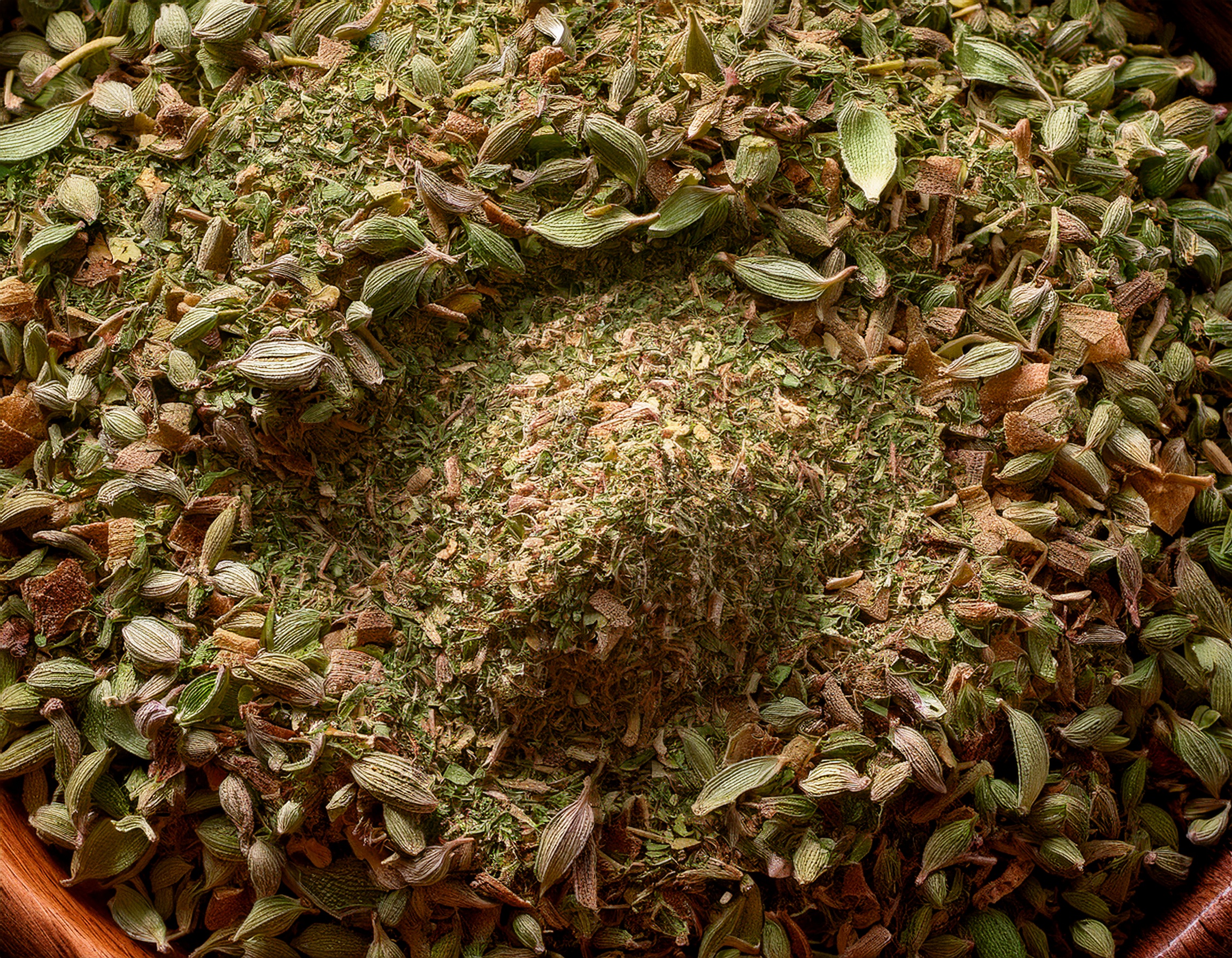
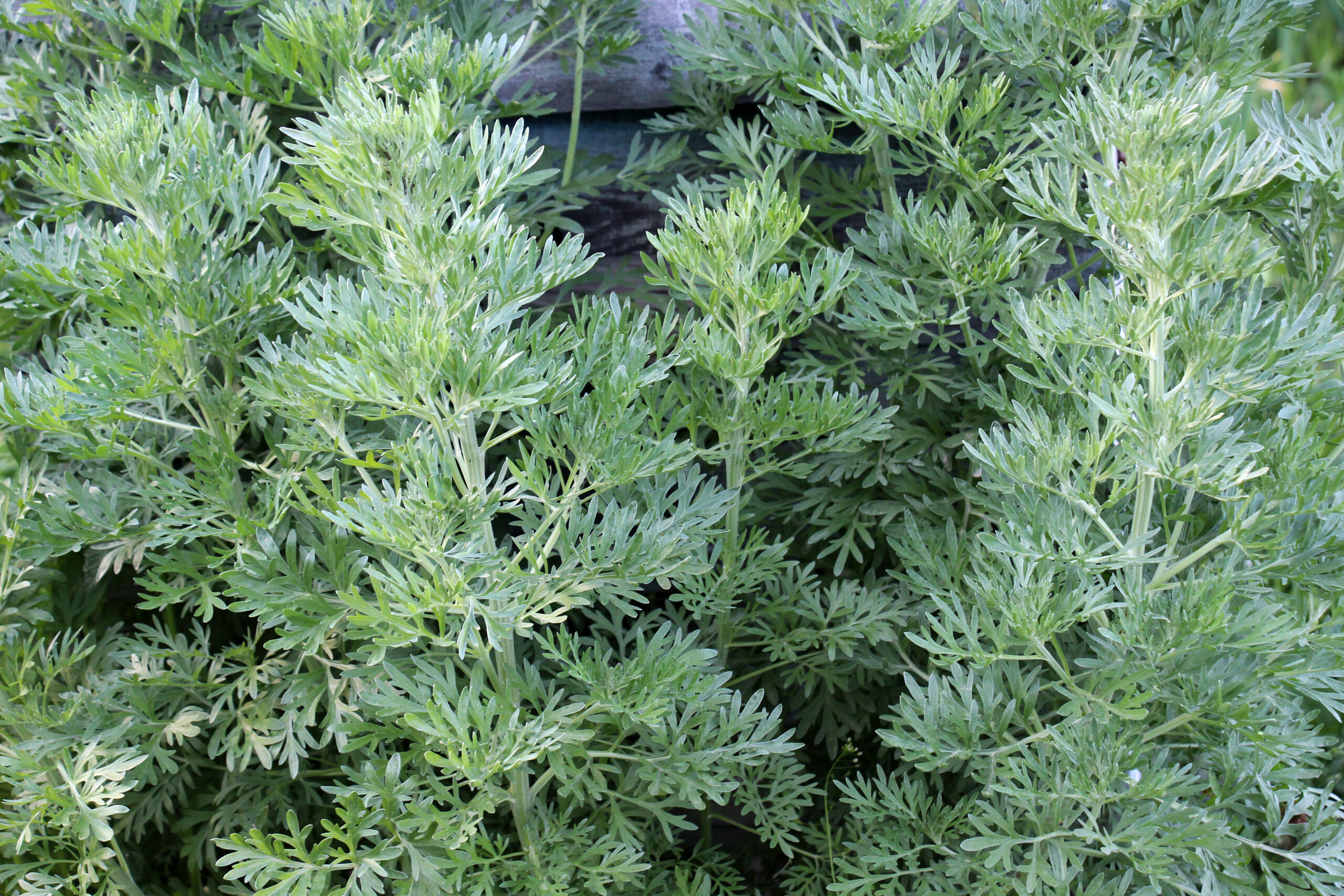
Sweet marjoram (Origanum majorana) is one of those herbs that feels like a soft blanket. It smells gentle, sweet, and a little floral. The taste follows suit, warm and mellow, with none of the sharp bite some herbs bring.
Wellness-minded folks like sweet marjoram because it fits into everyday routines. You can cook with it, steep it as a simple tea, or enjoy it as an aroma that helps your space feel calmer.
This guide keeps things practical and safe. You’ll learn easy ways to use sweet marjoram at home, plus smart substitutes when your jar is empty. Quick note before we start: marjoram isn’t oregano, even though they’re related.
What sweet marjoram is, what it does, and the easiest ways to use it
Sweet marjoram is a tender, leafy herb in the mint family. It’s often used in Mediterranean-style cooking, but it’s just as useful in simple, cozy food. Think roasted veggies, brothy soups, or scrambled eggs on a slow morning.
For natural-living routines, sweet marjoram is also popular as an aroma. People often use it when they want their home to feel less tense and more settled. No big promises here, but the scent can be comforting, especially at the end of the day.
If you enjoy essential oils, sweet marjoram shows up there too. It’s usually described as warming, herbaceous, and calming. If you want more background on common uses and blend ideas, see this post on the benefits of sweet marjoram essential oil. Keep in mind that the essential oil isn’t the same thing as the dried kitchen herb, and it needs more care.
Sweet marjoram vs oregano, thyme, and savory: how to tell them apart fast
Marjoram and oregano look like cousins because they are. The fastest way to tell them apart is the sniff test.
Sweet marjoram smells round and soft, with a sweet, almost floral lift. Oregano hits sharper, greener, and more peppery. Thyme smells woodsy and earthy, like a small evergreen branch. Summer savory sits between thyme and marjoram, gentle but a bit more peppery than marjoram.
Taste gives you another clue. Marjoram stays mild even when you add more. Oregano can take over a dish fast. Thyme feels more “dry” and savory, while savory has a clean, brisk herbal bite.
Here’s a quick cooking example. In tomato sauce for pizza, oregano usually tastes “right” because it’s bold. In chicken soup, sweet marjoram can taste smoother, like the herbs are part of the broth instead of sitting on top of it.
Simple, safe ways to use sweet marjoram at home
In cooking, timing matters. Add fresh marjoram near the end so it stays fragrant. For dried marjoram, add it mid-cook so it has time to soften and blend, but don’t simmer it for hours or it can fade.
Tea is simple and low fuss. Pour hot (not boiling) water over the herb, cover your mug, and steep 5 to 10 minutes. Covering helps keep the aroma in the cup instead of the air.
If you’re using sweet marjoram essential oil, keep it basic. Use a diffuser in short rounds, like 15 to 30 minutes, then take a break. For skin use, dilute in a carrier oil and do a patch test first.
Common scent pairings that play nicely with sweet marjoram include:
- lavender
- bergamot
- rosemary
- basil
- citrus oils (like lemon or sweet orange)
A gentle nighttime vibe is one of its easiest wins. Try diffusing marjoram with lavender while you read, stretch, or tidy up for tomorrow.
If you’re new to essential oils, treat them like strong spices. A little is plenty, and dilution is part of safe use.
Best substitutes for sweet marjoram in cooking, tea, and blends
The “best” sweet marjoram substitute depends on what you’re making. Are you trying to match flavor in a tomato sauce, or do you want that soft herbal note in a light broth? Also, dried herbs don’t swap the same way fresh ones do.
As a rule, dried herbs are more concentrated than fresh. If you’re swapping fresh for dried, start smaller and taste as you go. That’s the easiest way to avoid a dish that suddenly tastes like a herb jar fell into it.
For tea, substitutions can be trickier. Marjoram tea tastes mild and comforting. If you replace it with thyme, the cup becomes more earthy. If you replace it with oregano, it gets intense quickly. When you’re aiming for a soothing cup, milder choices usually feel closer.
One more important point: dried oregano (the herb) is not oregano essential oil. Oregano essential oil is very strong and needs extra caution. If you’re curious about essential oil safety and ideas, this guide on top essential oils for immune support is a helpful reminder that “herb” and “oil” don’t behave the same way.
Closest flavor match in the kitchen: oregano, thyme, and summer savory
Oregano is the closest match in the same plant family, but it’s louder. Start with half the marjoram amount, then adjust after a few minutes of simmering. It works best in pizza sauce, marinara, Greek-style roasted potatoes, and bean dishes where bold flavor fits.
Thyme is woodsy and steady. Use a 1:1 swap in soups, chicken, pot roast, and roasted vegetables. Thyme won’t give you marjoram’s sweetness, but it keeps that comforting “savory herb” feel.
Summer savory sits close to marjoram in personality. It’s gentle, slightly peppery, and easy to live with. Use a 1:1 swap when you want a smooth herbal note, like in lentils, green beans, or simple pan sauces.
No matter which one you choose, add, taste, and then add again if needed. A pot of soup is forgiving, but a small pan sauce can tip too far fast.
Milder swaps when you want that soft, sweet herbal note
When the goal is marjoram’s softness, go milder. Basil brings a sweet, green lift, especially in eggs, light tomato dishes, and salad dressings. It changes the vibe, but it stays friendly.
Parsley is even gentler. It won’t mimic marjoram’s aroma, yet it gives freshness without pushing the dish into a new direction. Try it in broths, omelets, and simple buttered vegetables.
Sage can help in tiny amounts because it’s warm and cozy, but it can also take over. If you use it, add just a small pinch, especially in poultry dishes or creamy sauces.
Mixing herbs often gets you closer than a single substitute. Basil plus a little thyme can mimic marjoram’s “rounded” taste better than either one alone. Start small, then let your palate guide you.
Conclusion
Sweet marjoram is mild, comforting, and easy to fit into real life, whether you’re cooking dinner, steeping a simple tea, or scenting your space. If you’re out, choose your swap based on the dish: oregano for the closest family match (use less), thyme or summer savory for gentle warmth, and basil or parsley when you want a softer, sweeter feel.
Take a minute to check your pantry, try one substitute, and jot down what you liked. And if you use sweet marjoram as an essential oil, keep it simple: dilute for skin, diffuse lightly, and choose caution over quantity.
Leave a Reply
You must be logged in to post a comment.