Key Takeaways
- Agrimony herb usually means Agrimonia eupatoria, a tall plant with small yellow flowers and burr-like seeds.
- Herbalists often use the aerial parts, meaning the leaves, stems, and flowers.
- Traditional uses include support for mild digestive upset, throat comfort, and simple skin care.
- Research is still limited, so agrimony is best viewed as a supportive herb, not a treatment.
- Tea, gargles, and cooled compresses are the easiest ways to try it at home.
- If you’re pregnant, breastfeeding, taking medicine, or managing a health condition, get medical guidance before regular use.
What agrimony herb is and how to recognize it
Agrimony is a wild-looking herb with a tidy, upright shape. Mature plants often send up tall stems topped with slender spikes of small, five-petaled yellow flowers. When it blooms, it has a soft, sunny look, almost like a narrow wand dusted with gold.
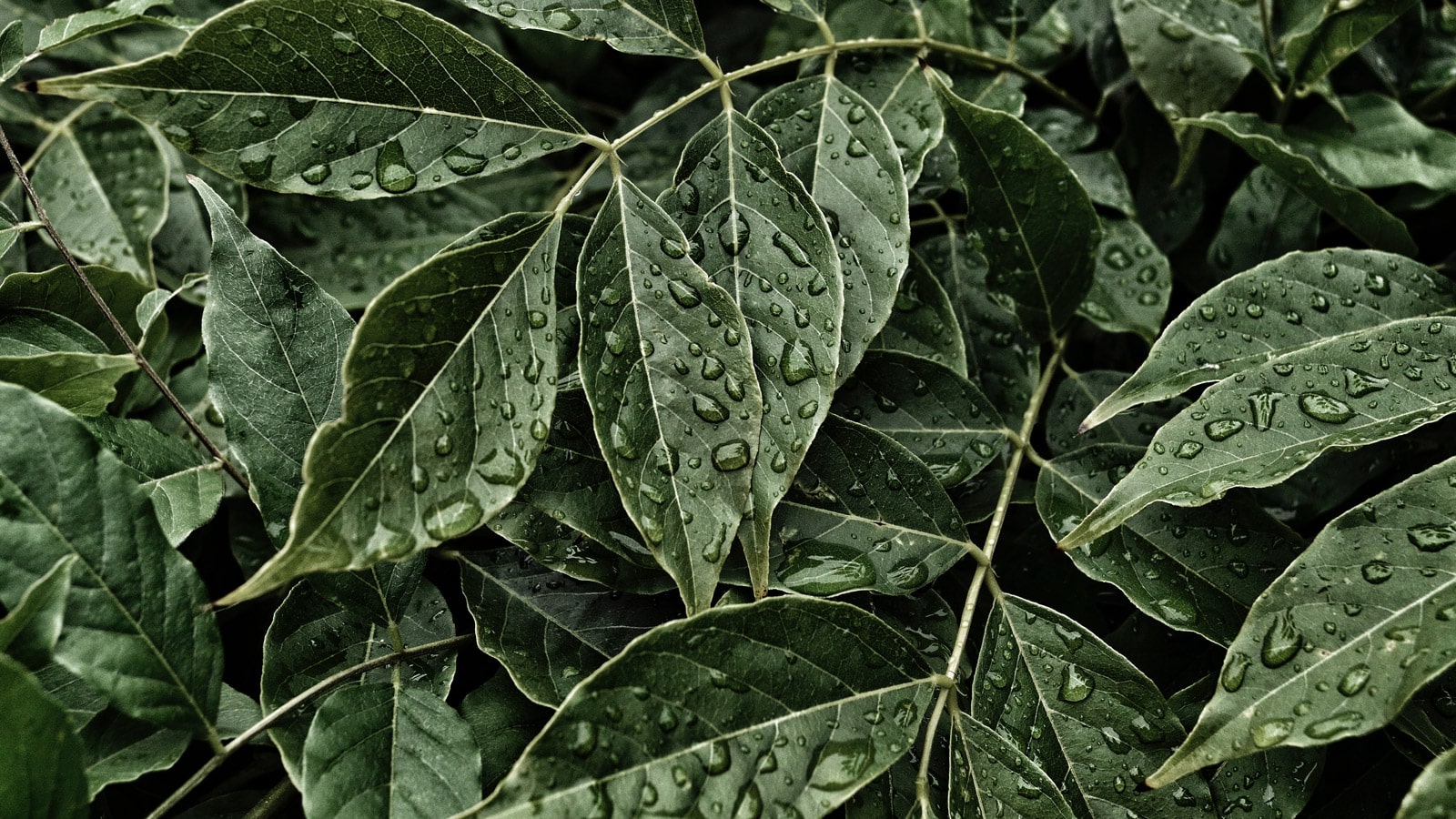
Its leaves help with identification too. They’re toothed, deep green, and arranged along the stem in a pattern that looks a bit feathery from a distance. Later in the season, the flowers turn into burr-like seed heads. Those little hooks cling to socks, pet fur, and pant legs, which is one reason people remember the plant after they’ve brushed past it.
In herbal practice, agrimony often refers to Agrimonia eupatoria, though several related species exist. Common names vary by region, but the plant’s look is fairly distinctive once you know the flower spike and hitchhiking seed heads.
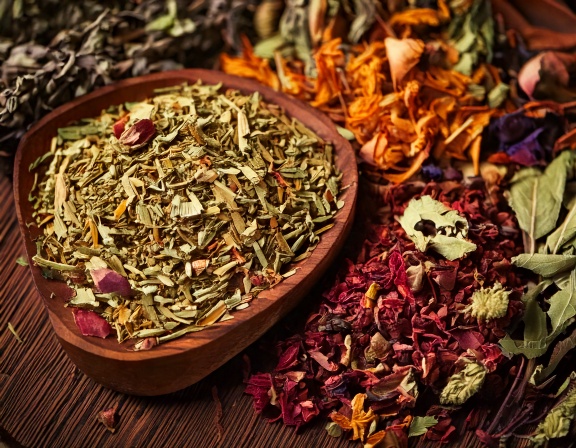
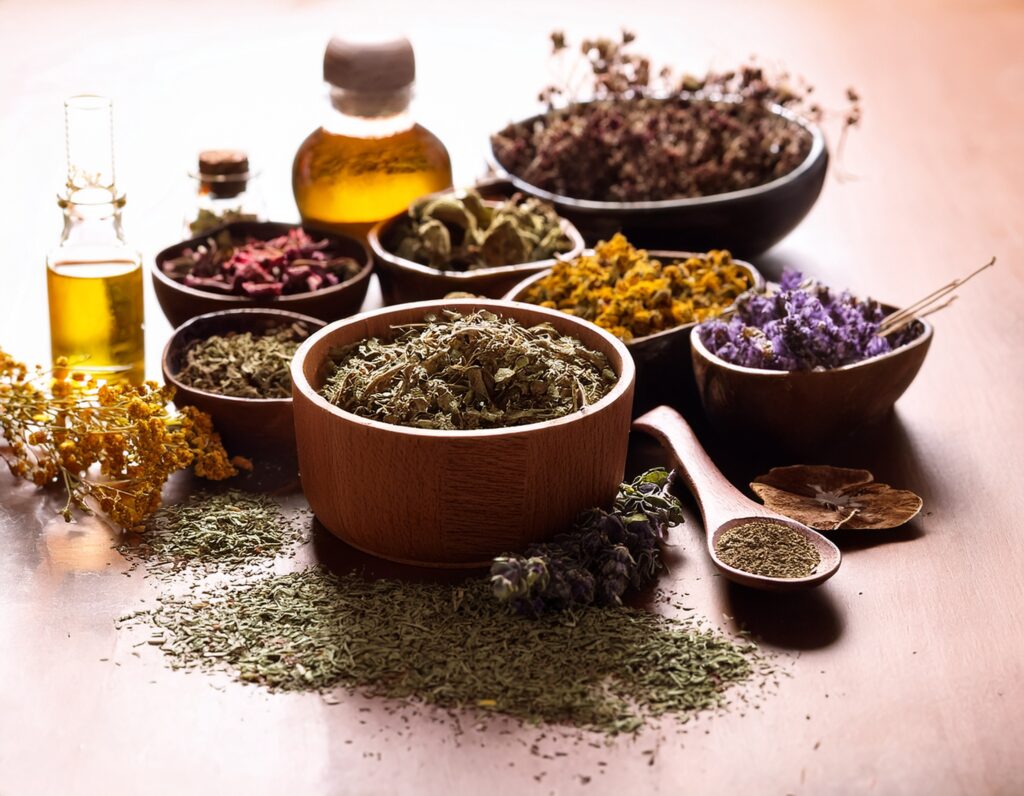
Most home herbal use centers on the aerial parts. That means the above-ground parts of the plant, usually the leaves, stems, and flowers. These are the parts dried for tea, gargles, and washes. For most people, buying the dried herb from a trusted source is simpler than trying to wild-harvest and identify it on their own.
Where agrimony grows and the plant parts people use
Agrimony likes open, sunny places. You may spot it along roadsides, meadow edges, hedgerows, trails, and dry fields. It grows in parts of Europe and North America, and it shows up in other temperate regions as well.
Harvest usually happens when the plant is in flower, because that’s when the aerial parts are commonly gathered for drying. For home use, dried herb is often the best option. It’s easier to store, easier to measure loosely for tea, and easier to find from reputable herb sellers.
Possible benefits of agrimony herb, and what the research really says
Agrimony has a long folk history, but the modern evidence is still modest. That matters. It means the herb may have a place in everyday wellness, yet it shouldn’t replace medical care for symptoms that last or feel severe.
Part of agrimony’s appeal comes from its natural plant compounds. It contains tannins, along with flavonoids and other compounds found in many traditional herbs. Tannins give agrimony its drying, puckering feel, much like strong black tea or an underripe fruit. That astringent quality may help explain why people have used it for occasional loose stools, mouth rinses, and external skin applications.
Flavonoids and similar plant compounds may also play a role in its soothing reputation. Still, most of the evidence around agrimony comes from traditional use, lab research, and limited early studies, not strong clinical proof in large human trials.
So what’s the practical takeaway? Agrimony may offer gentle support for minor digestive discomfort, throat soothing, and simple skin care when used in common home forms like tea or a cooled wash. However, it’s better to think of it as a modest helper than a heavy hitter.
Agrimony fits best in the supportive herb box, not the cure box.
That grounded view helps people use it wisely, especially if they already enjoy herbs and want one more simple option for their tea shelf.
Traditional uses for digestion, the mouth and throat, and gentle skin support
Traditional herb use often follows the feel of the plant. Since agrimony tastes drying and slightly bitter, people have long turned to it for mild digestive complaints, especially when the gut feels loose or unsettled. A warm cup may feel settling after a rough meal or a stressful day.
People also use agrimony as a gargle. When the tea is cooled to a comfortable temperature, it can feel soothing on the mouth and throat. Think of it like a plain, herb-based rinse, mild, simple, and old-fashioned.
For skin, cooled tea sometimes serves as a wash or compress for minor irritation. It’s not a fix for serious skin issues. Still, for small, everyday situations, some people like its gentle, clean feel.
Safety notes, side effects, and who should be careful
Agrimony isn’t right for everyone. Because it contains tannins, it can cause stomach upset in some people, especially if the tea is strong or taken often. Its drying nature may also feel too harsh for sensitive stomachs.
Medicine interactions are possible too. If you take prescription drugs, play it safe and ask a qualified healthcare professional before regular use. That matters even more if you have an ongoing health condition.
Pregnant or breastfeeding people should be extra careful, because there isn’t enough solid safety data for routine use. The same goes for anyone preparing for surgery.
Start small if you try it. Then pay attention to how your body responds.
How to use agrimony herb at home
For beginners, agrimony works best in a few simple forms. Tea is the easiest starting point. You steep the dried herb in hot water, strain it, and sip it warm. Because the taste can be drying, some people prefer to blend it with softer herbs or add a little honey after it cools slightly.
A gargle is another common use. In that case, you make the tea as usual, let it cool to warm or room temperature, then swish and gargle before spitting it out. It’s a practical option when you want throat or mouth comfort without drinking much of the herb.
External use is simple too. Brew the tea, let it cool, then soak a clean cloth in it for a basic compress or skin wash. Keep the prep plain and fresh. Don’t store homemade herbal liquids for long, because they spoil faster than dried herbs do.
If you enjoy herbal drinks for minor stomach discomfort, you may also like these herbal teas for digestive relief. Agrimony can sit beside those teas as another supportive, old-style option.
Buy dried agrimony from a trusted seller when you can. Look for herb that smells fresh and earthy, not stale or dusty. Then store it in a sealed jar away from heat, light, and moisture.
The easiest ways to prepare agrimony, tea, gargle, and compress
The broad method stays the same across uses. Put a small amount of dried herb in a cup or jar, pour over hot water, cover, and let it steep for several minutes. Covering helps hold in aroma and keeps the brew from cooling too fast.
For tea, strain and drink it while warm. For a gargle, cool it first. For a compress, let it cool fully, then wet a clean cloth with the strained tea and apply it to the area for a short time.
Make only what you’ll use that day. Fresh batches are safer and usually smell better too.
A simple agrimony tea recipe readers can actually make
Agrimony on its own can taste mildly bitter and a little drying. That isn’t bad, but it can feel stern, like a firm handshake. A softer blend makes it easier to enjoy, especially if you’re new to the herb.
Here’s a gentle cup that keeps agrimony front and center while smoothing the edges.
Mild Agrimony Tea Blend
Ingredients
- 1 teaspoon dried agrimony
- 1 teaspoon dried chamomile or lemon balm
- 1 cup hot water
- 1 teaspoon honey, optional, added after steeping
Method
- Place the dried herbs in a mug or teapot.
- Pour hot water over them.
- Cover and steep for 8 to 10 minutes.
- Strain the tea into a cup.
- Let it cool slightly, then stir in honey if you’d like.
- Sip slowly while warm.
This blend keeps agrimony’s grassy, slightly drying flavor, but the chamomile or lemon balm softens it. The result is calmer and rounder, which helps if straight agrimony tastes too sharp for you.
If you’re trying agrimony for the first time, start with a weak cup. A lighter brew lets you notice how your body responds without overdoing it.
Tips to make the flavor smoother and the experience more enjoyable
A few small tweaks can make agrimony much easier to like. First, don’t over-steep it. Longer isn’t always better, because the drying taste gets stronger with time.
Also, pair it with gentler herbs. Chamomile adds a soft floral note, while lemon balm brings a light, fresh lift. If you use honey, wait until the tea is warm rather than piping hot, so the flavor stays clean and mellow.
Try drinking it slowly, not as a gulp-and-go tea. Agrimony feels more at home in a quiet cup than in a rush.
Agrimony has earned its place as a traditional wellness herb, not because it makes big promises, but because it offers small, practical uses that people have trusted for generations. Its history is long, its home uses are simple, and the research, while limited, gives some reason for continued interest.
Start with a basic tea or gargle, keep your expectations grounded, and notice how your body feels.
If symptoms stick around, get worse, or feel intense, seek medical care instead of pushing through with herbs alone.
(DISCLAIMER: I am not a doctor, and you should consult your healthcare professional before starting any health regimen.)
Stay Connected for More Natural Living Inspiration
If you enjoyed this post about herbal wellness and love discovering natural ways to refresh your home and wellness, don’t miss out on future recipes and clean-living tips! Subscribe to the blog for weekly DIYs, wellness inspiration, and herbal remedies delivered straight to your inbox.
Don’t forget to visit my LinkTree for the links to my favorite essential oils, herbal teas, natural recipes, YouTube ambiance videos for sleeping; a project I created to help with insomnia symptoms and the second channel, Rooted in Nature YouTube Channel both channels feature herbal recipes for wellness and home.
Thanks for coming by!
Leave a Reply
You must be logged in to post a comment.