(DISCLAIMER: I am not a doctor, and you should consult your healthcare professional before starting any health regimen.)

Key Takeaways
- Wormwood is a very bitter herb with a long history of traditional use.
- It is most often linked with digestive support and folk use for parasites.
- Some research suggests useful plant activity, but evidence is limited for many health claims.
- Safety matters because thujone can be risky in high amounts.
- Wormwood is not a casual daily herb, so it should be used with caution.
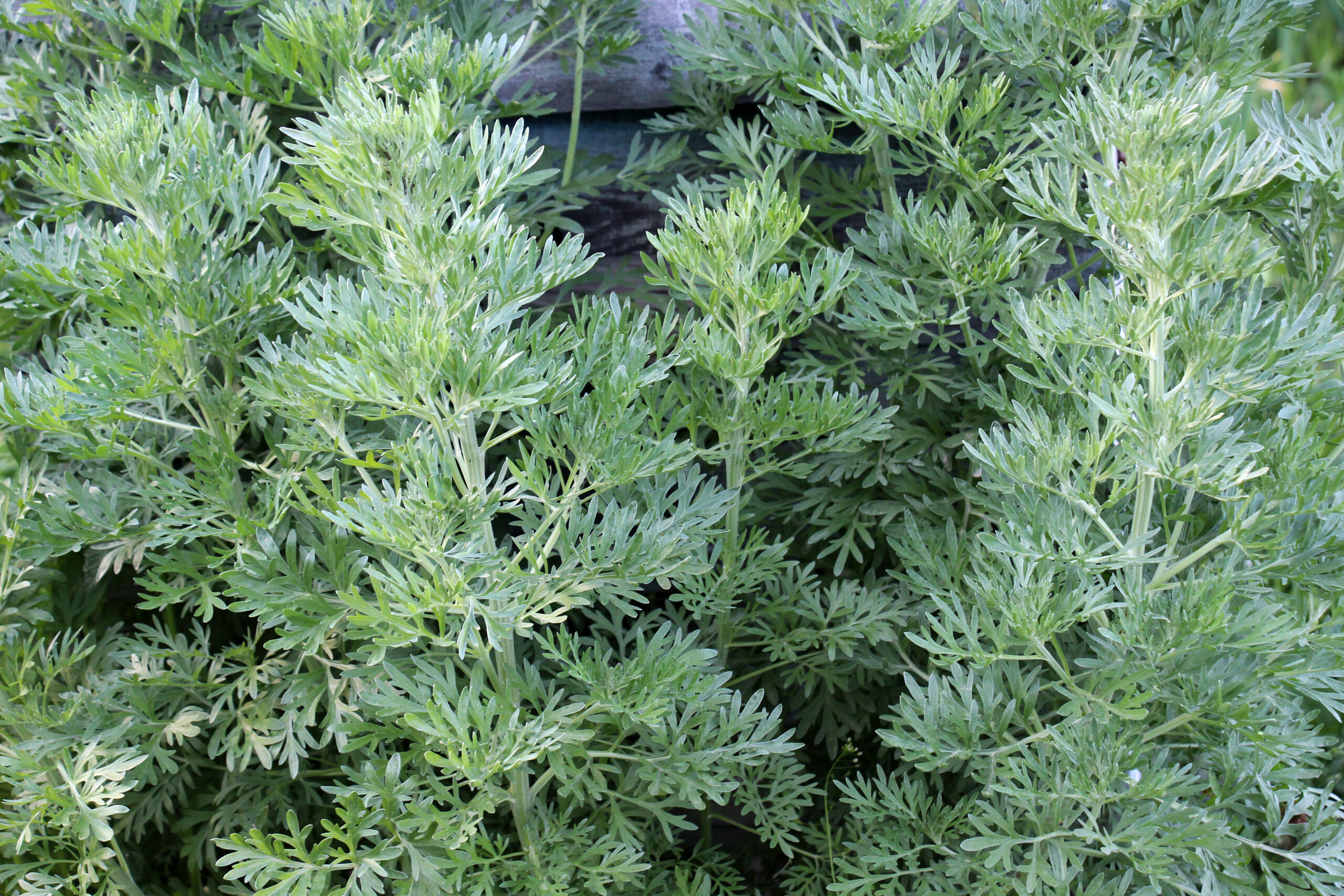
One sip of wormwood tea can feel like a slap of bitterness across the tongue. That sharp taste is part of its story. Wormwood herb benefits are still talked about today because this plant, Artemisia absinthium, has a long place in traditional herbal practice.
People have used wormwood for digestion, appetite, and parasite-related folk remedies for generations. Still, old use and modern proof are not the same thing. This article covers the possible benefits people discuss most, what research suggests so far, and the safety points that matter before you try this potent herb.
The main wormwood herb benefits people talk about most
Wormwood has a reputation that feels half kitchen remedy, half old apothecary shelf. Much of that reputation comes from its bitter taste. In herbal traditions, bitter plants were often taken before meals to wake up the stomach and support the flow of digestive juices.
That history helps explain why wormwood is still searched so often today. Yet the strongest claims around it often move faster than the evidence.
Its bitter compounds may help wake up digestion
The best-known wormwood herb benefits are tied to digestion. Like other bitter herbs, wormwood may encourage saliva, stomach acid, and other digestive secretions. In plain terms, it may help the body get ready for food.
Because of that, some people use small amounts of wormwood before meals when appetite feels low. Others turn to it for occasional bloating, heaviness after eating, or a sluggish feeling in the gut. The idea is simple, bitterness sends a signal that digestion should get moving.
Think of bitter herbs like a bell ringing before dinner, they may help the digestive system pay attention.
Still, results vary from person to person. A bitter herb may feel helpful for one person and irritating for another, especially if the stomach is already sensitive. Wormwood should not be treated like a cure-all for chronic digestive trouble.
Traditional use for parasites and gut balance needs careful context
Wormwood is also well known in folk wellness circles for parasite support. Traditional herbal systems often paired it with other plants for suspected intestinal worms or digestive imbalance.
That history is real, but it needs careful framing. Self-treating a suspected parasite can delay proper testing and treatment. Symptoms such as stomach pain, diarrhea, weight loss, fatigue, or itching can come from many causes, not just parasites.
Research on wormwood for this purpose is mixed, and product quality varies. So while traditional use explains why this benefit is often mentioned, it does not replace medical care. If a parasite is suspected, a healthcare professional should guide the next step.
What science says about wormwood, and where the evidence is still thin
Modern research gives wormwood some interesting support, but not enough for sweeping promises. Scientists have studied compounds in wormwood for digestive, anti-inflammatory, and antimicrobial effects. Some findings are encouraging, especially in lab settings.
Still, a lab bench is not a human body. A petri dish can tell us that a plant compound does something under controlled conditions. It cannot prove the same result will happen safely or reliably in everyday use.
Early research points to anti-inflammatory and antimicrobial activity
Wormwood contains plant compounds that have shown anti-inflammatory and antimicrobial effects in early research. That means some parts of the herb may help calm irritation or act against certain microbes in laboratory studies.
This helps explain why wormwood has stayed in herbal conversation for so long. A plant with strong bitterness and active compounds often earns a lasting reputation.
However, lab results are only one piece of the puzzle. The body absorbs, breaks down, and responds to herbs in complex ways. A compound that looks impressive in a test tube may not work the same way when taken as a tea or capsule. It may also carry side effects that limit its use.
Why traditional use and clinical proof are not the same thing
An herb can be popular for hundreds of years and still lack strong clinical proof. That is not a contradiction. Traditional use tells us how people have relied on a plant over time. Clinical research asks a stricter question, does it work in people, under careful study, with acceptable safety?
Wormwood sits right in that gap. There is enough history to explain its popularity. There is not enough high-quality human evidence to confirm every claim made online.
So the smartest view is balanced. Wormwood may offer digestive support, and its chemistry is clearly active. Yet stronger claims about broad healing effects need better studies before they should be treated as fact.
How to use wormwood safely, who should avoid it, and when to skip it
Wormwood comes in several forms, including tea, tincture, capsules, and extracts. Because it is potent, it is not the kind of herb to use casually every day. Some people who want gentler digestive support may be better served by natural teas to soothe digestion instead of reaching first for a harsher bitter herb.
Careful product choice also matters. Different preparations can vary in strength, and labeling is not always clear.
Potential side effects and thujone concerns matter
Wormwood can cause side effects, especially if the product is strong or poorly made. Possible problems include nausea, stomach upset, dizziness, and allergic reactions. People sensitive to plants in the daisy family may need extra caution.
The biggest safety concern is thujone, a compound found in wormwood. In high amounts, thujone can affect the nervous system and raise seizure risk. That is one reason wormwood should never be treated like an everyday wellness tonic.
Essential oil ingestion is not safe for casual use. Wormwood essential oil is highly concentrated, and swallowing it can be dangerous. Even non-oil products can differ widely in thujone content, so quality matters more than flashy marketing.
Pregnancy, seizures, ulcers, and medicine interactions are red flags
Some people should avoid wormwood unless a qualified healthcare professional says otherwise. That includes pregnant or breastfeeding people, children, and anyone with a seizure disorder.
Caution also makes sense for people with ulcers, kidney issues, or stomach irritation, since bitter herbs can sometimes make symptoms worse. In addition, wormwood may interact with certain medicines, especially those that affect the nervous system or seizure threshold.
If you take regular medication, have a health condition, or plan to use wormwood beyond occasional short-term use, check with a healthcare professional first. With a strong herb, caution is not fear, it is common sense.
The bottom line on wormwood herb benefits
Wormwood remains one of those herbs that carries both promise and warning in the same leaf. Its main value is still tied to bitter digestive support and long-standing traditional use, while bigger claims need stronger research. If you choose to use it, respect its strength, buy carefully, and put safety first. A bitter herb can be helpful, but only when it is used with a clear head and a light hand.
Stay Connected for More Natural Living Inspiration
If you enjoyed this post about herbal wellness and love discovering natural ways to refresh your home and wellness, don’t miss out on future recipes and clean-living tips! Subscribe to the blog for weekly DIYs, wellness inspiration, and herbal remedies delivered straight to your inbox.
Don’t forget to visit my LinkTree for the links to my favorite essential oils, herbal teas, natural recipes, YouTube ambiance videos for sleeping; a project I created to help with insomnia symptoms and the second channel, Rooted in Nature YouTube Channel both channels feature herbal recipes for wellness and home.
Thanks for coming by
Leave a Reply
You must be logged in to post a comment.