(DISCLAIMER: I am not a doctor, and you should consult your healthcare professional before starting any health regimen.)
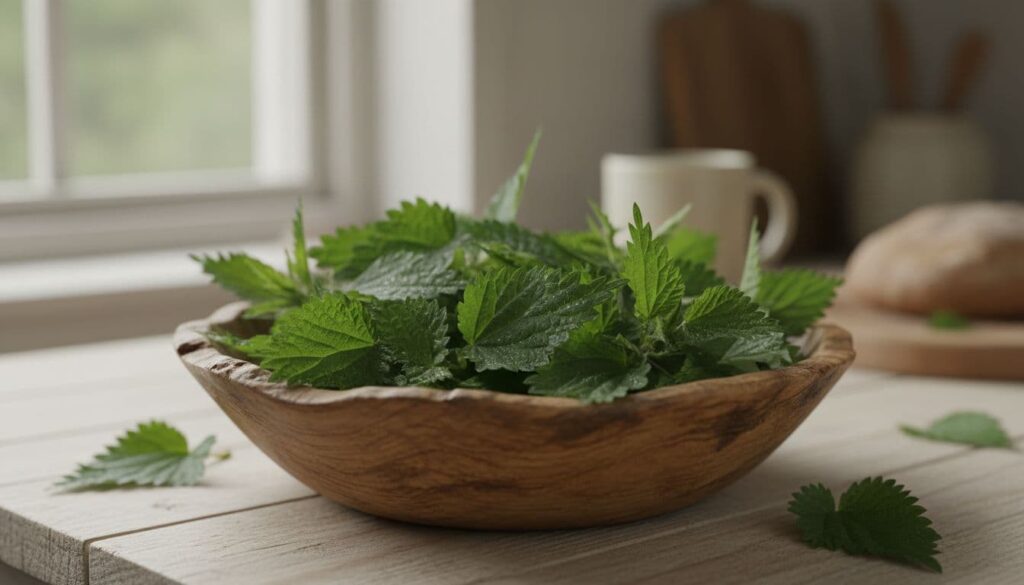
Brush against a fresh stinging nettle once, and you remember it. Still, that same plant can become a mild tea, a nourishing soup green, or a simple daily herb once it’s dried or cooked.
Many people look into nettle leaf benefits because they want grounded, practical wellness support, not hype. Nettle leaf has a long history of traditional use in herbal medicine, and modern research gives some of those uses a promising, if still developing, scientific backdrop.
Why nettle leaf gets so much attention
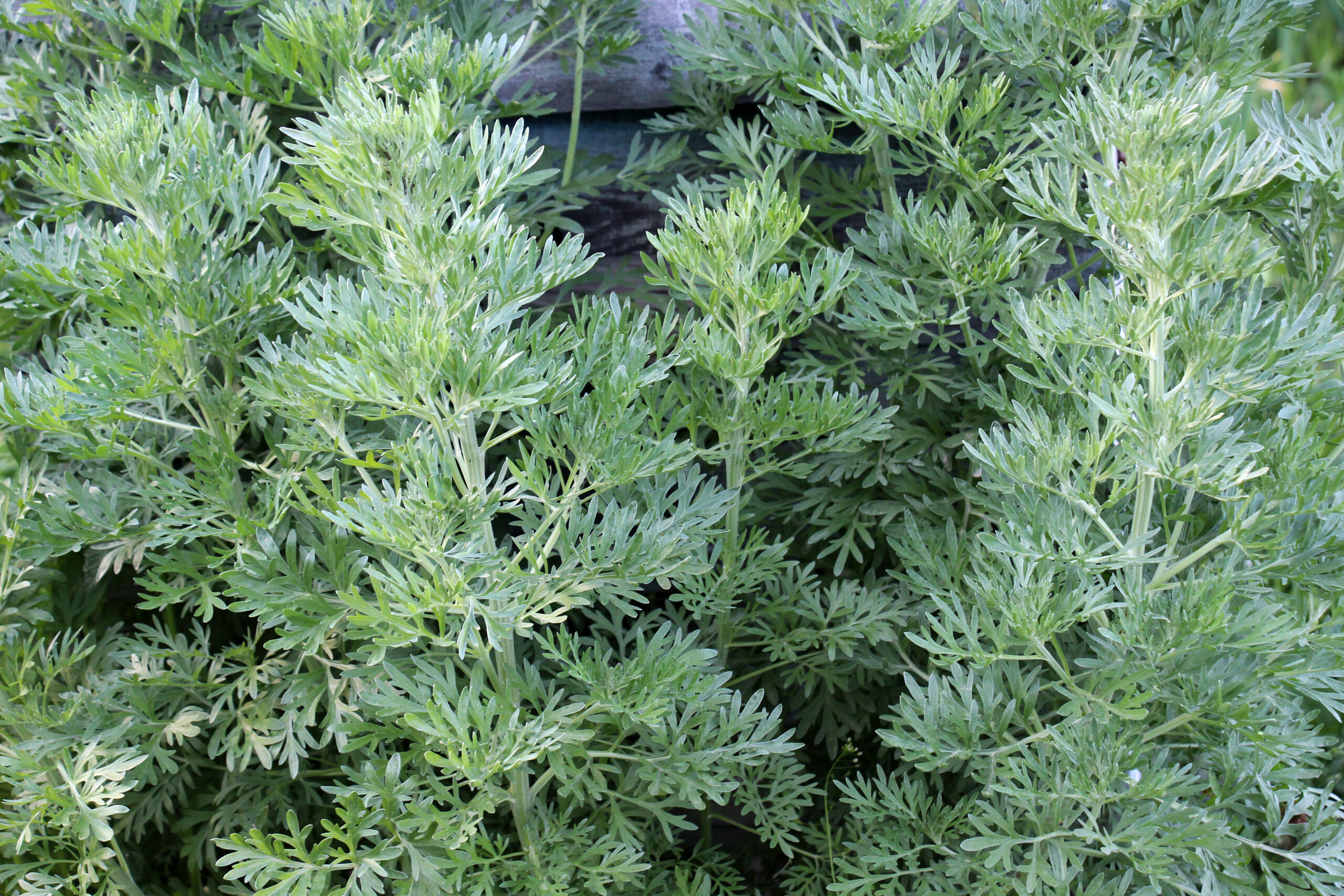
Stinging nettle, or Urtica dioica, is more than a weed with a bad attitude. The leaf contains vitamins, minerals like iron, calcium, and vitamin K, and plant compounds that make it interesting both as a food and as an herb. A review on nettle’s nutritional composition describes the leaves as rich in antioxidants, while a newer overview of nettle leaves as a novel food points to growing interest in stinging nettle as an everyday edible plant.
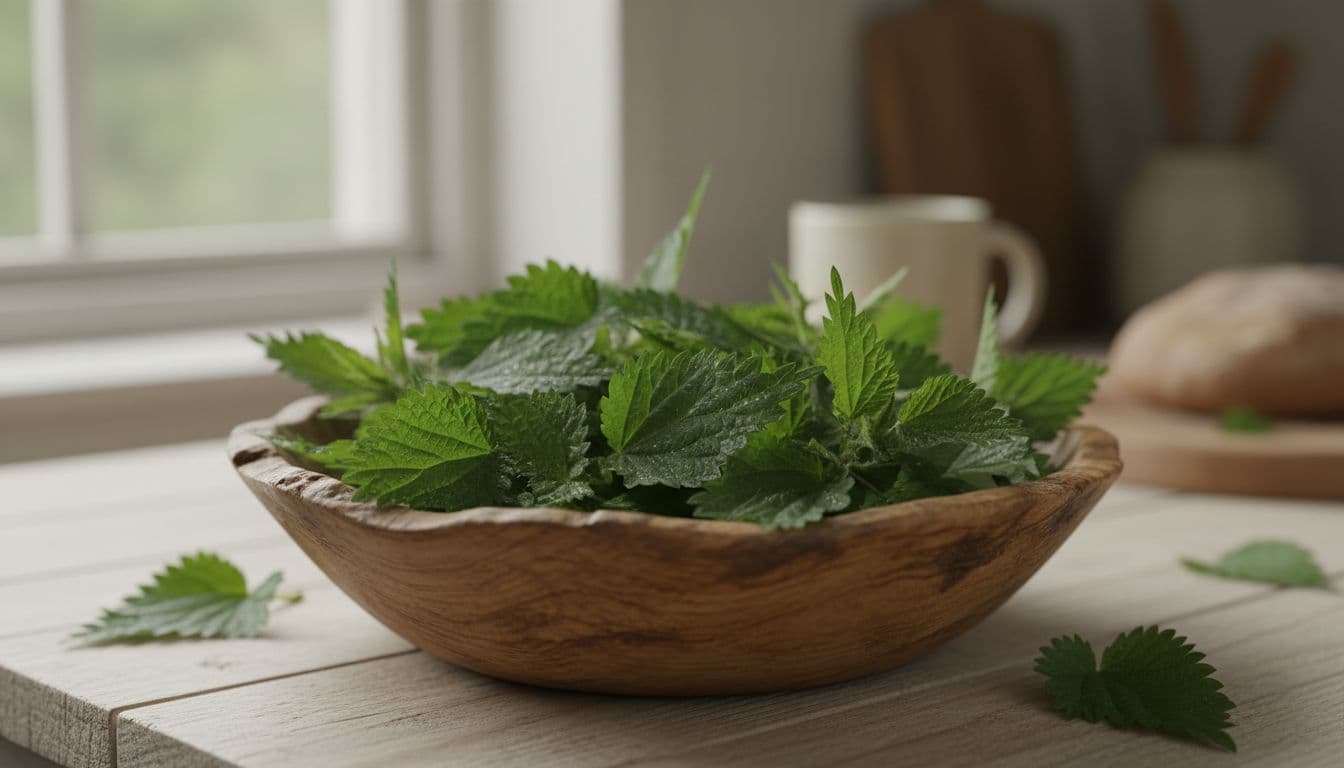
Part of stinging nettle’s appeal is that it sits in the middle ground between food and herbal support. People often drink it for its gentle, mineral-rich profile. Others use it because early studies suggest it may offer anti-inflammatory benefits that support relief from joint pain, osteoarthritis, and rheumatoid arthritis, along with seasonal comfort for hay fever and seasonal allergies, and general wellness. There are also small studies on blood sugar levels and urinary comfort, including its use for men’s health in cases of benign prostatic hyperplasia and enlarged prostate, although the evidence isn’t strong enough to make big promises.
That balance matters. Nettle leaf may be helpful, but it isn’t magic, and it doesn’t replace medical care.
Think of nettle as a steady kitchen herb with extra upside, not a quick fix in a cup.
Fresh stinging nettle also changes a lot with preparation. The raw plant carries tiny hairs that contain formic acid and histamine, which can sting skin. Once you dry it, steep it, or cook it, that sting fades away. In other words, the rough trail-side plant and the calm mug of nettle tea are almost two different experiences.
Simple ways to use nettle leaf every day
Nettle tea is the easiest place to start
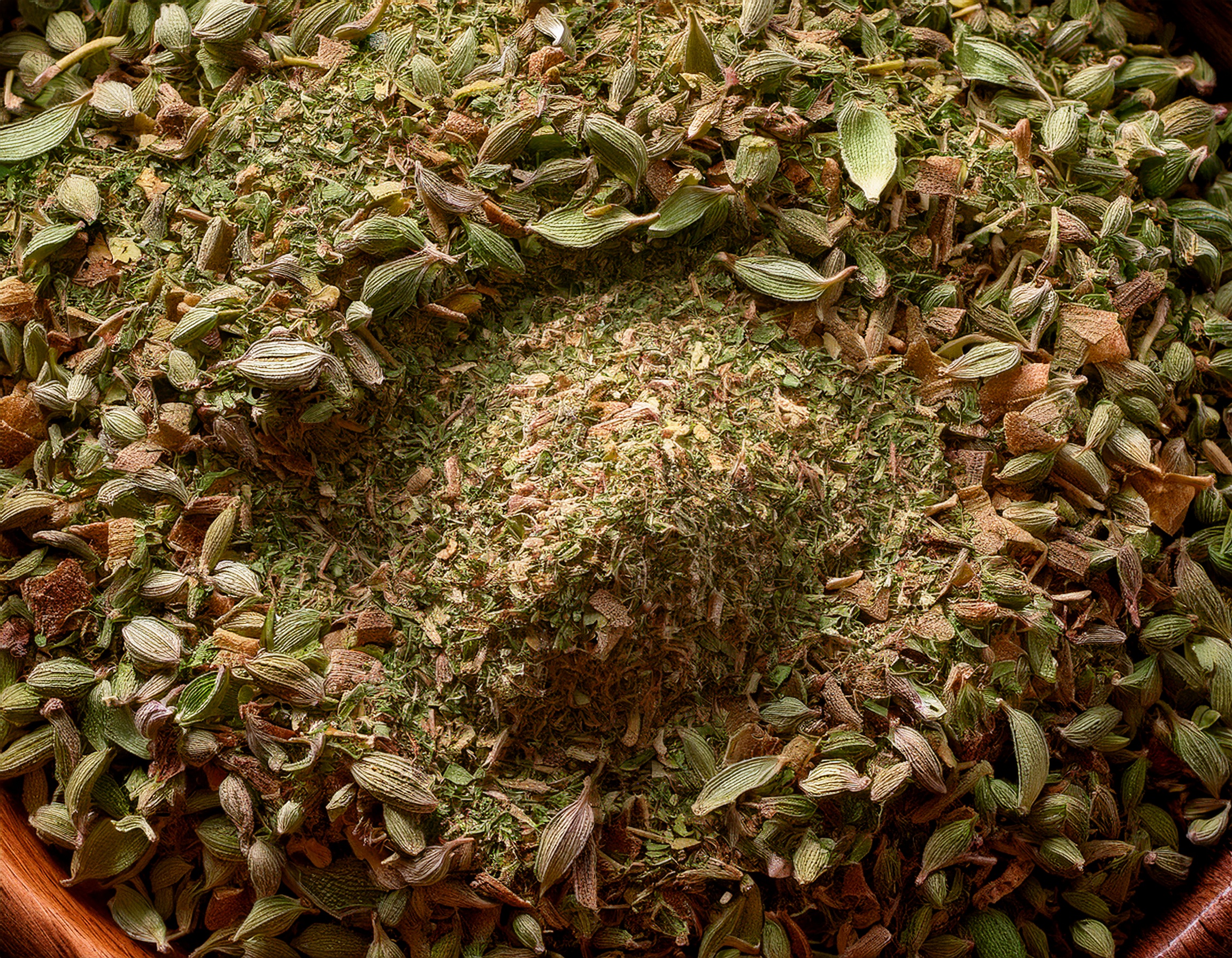
For most beginners, nettle tea makes the most sense. Add 1 to 2 teaspoons of dried stinging nettle leaf to a cup, pour over hot water, and steep for 10 to 15 minutes. The flavor is earthy, green, and mild. If you want a softer taste, pair it with peppermint, lemon balm, or a squeeze of lemon.
Some people also make a longer nettle infusion. Use about 1 tablespoon of dried leaf per cup, let it sit longer, then drink it warm or chilled. Nettle infusions are also sometimes used topically, diluted, to support hair growth. That gives you a stronger, greener brew without much extra effort.
This quick table shows where each form fits best:
| Form | Best use | Good to know |
|---|---|---|
| Nettle tea | Daily routine | Easy, gentle, and beginner-friendly |
| Capsules | Convenience | Often made from freeze-dried leaves; follow the label for serving size |
| Tincture | Small servings | Handy if you don’t enjoy tea |
| Dried leaf in soup | Food use | Stir in near the end of cooking |
| Blanched fresh leaf | Meals and smoothies | Cook first so it won’t sting |
| Root extract | Prostate health | Consult a doctor for proper dosage |
Food, capsules, and tinctures
If nettle tea isn’t your thing, capsules and tinctures can be practical. They take less prep, and they’re easy to keep on hand. Still, product strength varies, so start modestly and stick to the maker’s directions.
Nettle also works surprisingly well in food. Dried leaf can go into broths, soups, pasta sauces, or savory grain bowls. Fresh stinging nettles can be blanched and used much like spinach in eggs, pesto, or soup. If you want kitchen ideas, this guide to eating and harvesting nettles gives useful, down-to-earth examples.
Smoothies can work too, but prep matters. Use a small amount of dried leaf, or blanch fresh nettles first. Raw, unblanched nettles can still sting, so don’t toss them straight into the blender and hope for the best.
Safety points beginners shouldn’t skip
Fresh nettles can sting, leading to side effects
The name says a lot. If you harvest fresh stinging nettles, wear gloves and long sleeves. Those fine hairs can cause burning, itching, or skin irritation on contact. Once the leaf is dried, cooked, or steeped, that sting and side effects usually disappear.
Allergies are possible as well. If you’re sensitive to plants, start with a small amount. Then watch for itching, hives, stomach upset, or any other reaction that feels unusual.
Check for stinging nettle interactions before daily use
Stinging nettle leaf is still an herb, and herbs can interact with medicines. Because stinging nettle may affect fluid balance, blood glucose, or blood pressure in some people, it’s smart to check first if you take blood thinners, blood pressure medicines, diuretics, or diabetes medications, or if you manage high blood pressure or urinary tract infections. This safety overview from Drugs.com is a helpful place to review common warnings.
Pregnancy and breastfeeding call for extra care, too. Research is limited, so regular use is best discussed with a qualified clinician, especially if you’re using capsules or tinctures rather than food amounts.
If you take prescription medicine every day, get advice before making nettle a daily habit.
Quality matters as much as caution. Buy from a trusted source, or forage only if you’re fully confident in plant ID. A good herb routine starts with good sourcing.
That prickly plant from the opening can become one of the easiest herbs to use at home, as long as you handle it well. The most useful nettle leaf benefits tend to come from simple, steady use, not from oversized claims.
Start with one cup of tea or a pinch of dried nettle in soup this week. Then let your own routine tell you whether nettle deserves a spot in your kitchen.
Stay Connected for More Natural Living Inspiration
If you enjoyed this post about herbal wellness and love discovering natural ways to refresh your home and wellness, don’t miss out on future recipes and clean-living tips! Subscribe to the blog for weekly DIYs, wellness inspiration, and herbal remedies delivered straight to your inbox.
Don’t forget to visit my Amazon for the links to my favorite essential oils, herbal teas, natural recipes, YouTube ambiance videos for sleeping; a project I created to help with insomnia symptoms and the second channel, Rooted in Nature YouTube Channel both channels feature herbal recipes for wellness and home. And if you’re interested in essential oils along with herbal teas, feel free to visit my other websiteDI Writes and Blogs.
Thanks for coming by!
Leave a Reply
You must be logged in to post a comment.