(DISCLAIMER: I am not a doctor, and you should consult your healthcare professional before starting any health regimen. Product links are commissioned and supports the blog)
Key Takeaways: horsetail tea benefits and the safety basics
- Silica is the headline: Horsetail is known for silica, a mineral people link with hair, skin, and nails (results can take weeks).
- Mild diuretic effect: You may urinate more, which some people use for temporary puffiness and water retention.
- Antioxidant support: Plant compounds in horsetail may help the body handle everyday stressors.
- Bones and connective tissue: Early research and traditional use suggest supportive roles, but it’s not a treatment for bone loss.
- Brew it gently: A common range is 10 to 15 minutes of steeping, then strain.
- Know the red flags: Avoid in pregnancy, kidney disease, or with certain meds. Long-term heavy use isn’t a good idea (thiamine or vitamin B1 concerns).
- Choose reputable products: Buy from brands that identify the species and test for quality, rather than wild-harvesting.
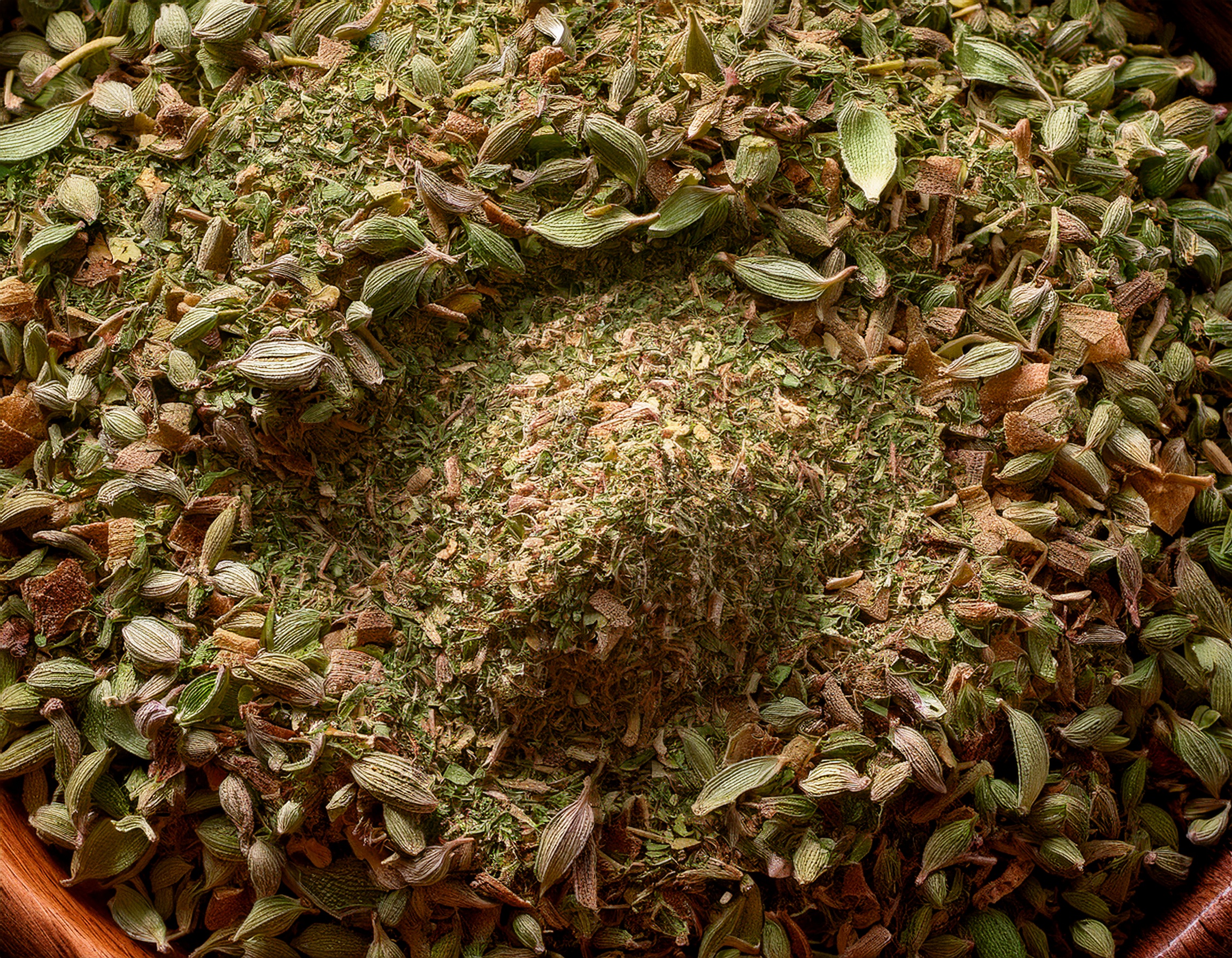
A kettle clicks off, and the kitchen gets quiet again. You spoon a pale, straw-like herb into a mug, then pour hot water over it. The steam smells mild and grassy, like a clean field after rain. If you love wellness rituals and aromatherapy-style calm, horsetail herb can feel like the kind of tea that fits right into your slow moments.
Horsetail (often sold as dried herb for tea) has a long history in traditional herbal use. Today, people drink horsetail tea for supportive goals like stronger-looking nails, “water balance,” and general antioxidant support. This post covers what people hope to get from horsetail tea, how to brew it in a way that’s pleasant and reasonable, and who should skip it. Benefits can be supportive, not a cure, so quality and safety matter.
Horsetail tea can be a steady, simple ritual, but only when you keep the dose moderate and respect the safety rules.
What horsetail tea can do for the body, and what the science actually suggests
Horsetail (Equisetum species, most often Equisetum arvense) is unusual. It’s not leafy and soft like peppermint. It’s more like a thin, jointed reed, which hints at why people talk about its mineral content. Traditional herbal practices have used horsetail in many ways, and modern interest focuses on its silica, mild diuretic action, and antioxidant compounds.
At the same time, research quality varies. Many studies look at extracts or standardized products, not a home-brewed cup. That matters because tea strength depends on the plant part, the cut size, steep time, and even how fresh the dried herb is. In other words, horsetail tea may offer gentle support, but it’s not a fast fix.
So what might you notice, in real life? If horsetail acts as a diuretic for you, you could see more frequent bathroom trips the same day. On the beauty side, changes are slower. Some people report nails that feel less brittle over time, but that can take patience, plus basic nutrition.
If “puffiness” is part of your goal, remember that shifting water isn’t fat loss. It’s closer to wringing out a sponge than shrinking it. The body often returns to its normal balance once you stop.
If you’re pairing horsetail with other wellness habits, keep it simple. A consistent sleep schedule, enough protein, and mineral-rich foods can do more than any single herb. For readers who like building a tea routine that supports digestion and bloating comfort too, this guide on herbal teas for bloating relief can help you choose gentle options that fit your body.
Silica support for hair, skin, and nails (and why results take time)
Silica is a mineral your body uses as a building block in connective tissues. People often connect it with collagen structure, which is why horsetail gets mentioned in hair, skin, and nail conversations.
Horsetail is known for silica content, but tea isn’t a lab-measured supplement. One batch can be stronger than another. That’s why it helps to keep expectations realistic: think weeks, not days. Nails grow slowly, and hair cycles take time. A single cup won’t rewrite the story overnight.
Also, brittle nails have many causes. Dry hands, frequent sanitizer use, low iron, low protein intake, and dehydration can all play a role. Before you blame your nails, check your basics. Drink enough water, eat enough protein, and add vitamin C foods (citrus, berries, bell pepper) because vitamin C supports collagen formation.
If hair support is your focus and you enjoy pairing herbs with aromatherapy routines, you might also like this practical guide to essential oils for hair growth and scalp care, especially for massage and scalp-friendly habits.
Mild “water balance” support: what diuretic effects feel like day to day
A diuretic simply means something that can make you urinate more. For some people, horsetail tea feels like a gentle nudge, not a sprint to the bathroom. For others, it’s more noticeable.
Day to day, that can look like less “tight” feeling in rings or socks, especially after salty meals or long travel days. Still, the effect is temporary. It doesn’t melt fat, and it won’t fix the root cause of swelling.
Because fluid shifts can affect minerals, hydration matters. If you use horsetail tea, drink water as usual, and consider getting electrolytes from food (soups, fruit, dairy, leafy greens), especially if you’re sweating or exercising.
Avoid horsetail tea if you have kidney disease, or if you take prescription diuretics (water pills), unless a clinician says it’s OK. Mixing diuretics can push the body too far.
How to brew horsetail tea at home, choose a good product, and use it safely
Horsetail tea tastes mild, earthy, and grassy. Some people describe it as “hay-like,” which sounds odd until you try it. The flavor is subtle, so small add-ins can make it feel cozy and familiar.
Start by buying a product that clearly labels the species (commonly Equisetum arvense). Skip random wild-harvested bundles unless you deeply trust the source. Plants can pick up contaminants from soil, and misidentification happens more than people think.
Keep your routine moderate. Many herbalists suggest short-term use rather than months of daily drinking. Think of horsetail as a seasonal helper, not an all-year beverage.
If you feel off, don’t push through it. Your body’s signals count more than the label on the bag.
A simple brewing method that keeps the flavor pleasant and the routine easy
Use this as a gentle starting point:
- Add 1 to 2 teaspoons of dried horsetail herb to 8 ounces of hot water.
- Pour water that’s just off the boil.
- Steep 10 to 15 minutes, then strain.
Some people simmer horsetail briefly to make a stronger cup. If you try that, start with a short simmer (5 minutes) and see how you feel. Stronger isn’t always better.
Horsetail tea is naturally caffeine-free, so it can fit an evening routine. For taste, a squeeze of lemon brightens the cup, and mint makes it feel fresher.
Two easy serving ideas:
- Evening wind-down: horsetail with lemon, sipped while diffusing a calming scent. If tea is part of your stress routine, see these calming herbal teas for anxiety for gentle options.
- Post-workout hydration: a light cup, plus a splash of coconut water if you want a touch of minerals and sweetness.
Safety checklist: who should avoid horsetail tea, possible side effects, and drug interactions to watch
Horsetail isn’t a “sip all day” herb for everyone. Use extra care here:
- Pregnancy and breastfeeding: Avoid unless your clinician approves.
- Kidney disease: Avoid (fluid and mineral balance matters).
- Heart failure or fluid restrictions: Avoid unless medically guided.
- Diabetes medications: It may affect blood sugar support routines, so check first.
- Diuretics (water pills): Increased risk of dehydration and low potassium.
- Lithium: Diuretics can affect lithium levels, so avoid unless supervised.
- Low potassium risk: Watch for weakness, cramps, or irregular heartbeat symptoms.
- Alcohol use disorder or malnutrition: Some horsetail contains thiaminase, an enzyme that can break down thiamine (vitamin B1). Long-term heavy use is a bad idea.
Common side effects can include stomach upset, headache, and increased urination. If you take meds or manage a chronic condition, talk with your clinician before using horsetail tea.
Stop using horsetail tea if you feel dizzy, unusually weak, or dehydrated. Gentle herbs should still feel gentle.
Conclusion
Horsetail herb tea has a quiet reputation for a reason. People reach for it to support silica-related beauty goals and mild water balance, and they often enjoy its clean, grassy taste. Brew it simply (10 to 15 minutes is a solid start), keep your routine moderate, and choose reputable products that label the species.
Most importantly, respect the safety cautions, especially pregnancy, kidney concerns, diuretics, and the thiamine (B1) issue with long-term heavy use. If you try it, start with a short routine, track how you feel, and prioritize quality sourcing. How do you like to drink your herbal teas, plain, lemony, or blended with mint?
Stay Connected for More Natural Living Inspiration
If you enjoyed this post about herbal wellness and love discovering natural ways to refresh your home and wellness, don’t miss out on future recipes and clean-living tips! Subscribe to the blog for weekly DIYs, wellness inspiration, and herbal remedies delivered straight to your inbox.
Don’t forget to visit my LinkTree for the links to my favorite essential oils, herbal teas, natural recipes, YouTube ambiance videos for sleeping; a project I created to help with insomnia symptoms and the second channel, Rooted in Nature YouTube Channel both channels feature herbal recipes for wellness and home.
Thanks for coming by
Leave a Reply
You must be logged in to post a comment.