(DISCLAIMER: I am not a doctor, and you should consult your healthcare professional before starting any health regimen.)
Key Takeaways
- Red clover is the main type people mean when they say clover herb.
- The flowers, or blossoms, are the part most often used.
- Clover herb is commonly brewed as a mild herbal tea.
- People have used red clover in traditional wellness routines for a long time.
- Its flavor is usually soft, grassy, and slightly sweet.
- Safe use matters, even with gentle herbs.
- Some people should check with a healthcare professional before trying it.
Picture a spring field stitched with pink-purple flower heads and low green leaves. That soft, familiar plant is often what people mean by clover herb, especially in herbal wellness circles. Most often, they mean red clover, though white clover is also well known and easy to spot in lawns and meadows.
This guide keeps things simple. It focuses on clover as an herb in teas, traditional wellness use, and safe everyday understanding, not medical claims. Clover has a quiet reputation. It’s gentle, easy to recognize, and more useful than many people think.
What clover herb is, and the types most people mean
Clover is a flowering plant in the legume family. It grows low to the ground, spreads easily, and shows up in fields, roadsides, and home lawns. If you’ve ever seen bees working over a patch of clover, you already know the plant’s cheerful, useful nature.
When herbalists and tea drinkers talk about clover herb, they usually mean red clover. That’s the type most often dried and sold for tea. White clover is common too, but it’s better known as a lawn plant and pollinator favorite than as a go-to herb for the cupboard.
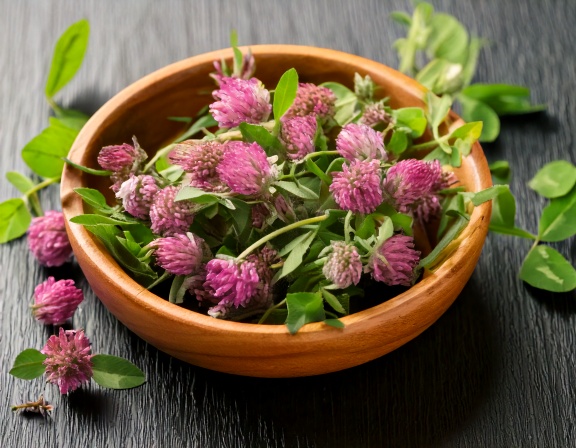
Red clover has rounded pink to purple flower heads and trifoliate leaves, meaning each leaf has three leaflets. White clover has smaller white or creamy blooms, often with a faint blush of pink as they age. Both are easy to overlook until they flower. Then they light up a field like scattered buttons.
In herbal use, the most common part is the blossom. Some products also include the upper stems and leaves, often called the aerial parts. Still, when most people shop for clover herb, they’re usually looking for dried red clover flowers.
Red clover vs white clover, the herbal difference that matters
Here’s the simple version. Red clover is the herbal choice most people want for teas and wellness use. White clover is more often admired underfoot, in lawns, and in pollinator spaces.
That doesn’t make white clover unimportant. It just plays a different role. So, if you’re buying clover herb from a tea shop or herb supplier, you’ll usually want red clover blossoms on the label.
Which part of the plant is used in teas and herbal blends
The blossoms come first. They’re the part most often dried for tea because they’re mild, fragrant, and easy to blend with other herbs.
Some loose blends also include the plant’s upper leafy parts. Even so, dried flowers are what most readers will see in jars, bags, and bulk herb bins. If you picture clover herb on a shelf, picture those dried flower heads first.
Traditional uses of red clover, plus what modern wellness readers should know
Red clover has a long place in folk herbal use. People have brewed it as tea for generations, often as part of simple seasonal routines. It sits in that group of herbs that feel homelike, steady, and easy to welcome into daily life.
In traditional practice, people often connect red clover with skin wellness, women’s wellness, and gentle cleansing support. Those are historic and wellness-based uses, not claims that it treats disease. That distinction matters. Herbal tradition can be rich and meaningful while still calling for common sense.
Part of red clover’s appeal is its quiet nature. It doesn’t shout with a sharp taste or a dramatic scent. Instead, it fits into a softer rhythm, like a window opened on a mild day. For readers who enjoy building a calm tea habit, DI Writes also shares other herbal teas for anxiety relief.
Red clover’s strength is its gentleness. That’s often why people keep coming back to it.
Modern wellness readers should also know that interest in red clover often centers on its long history, its tea-friendly taste, and the natural plant compounds it contains. Tradition gives it context. Safe use gives it a proper place.
Why people drink clover tea for gentle everyday support
Many people like clover tea because it feels approachable. The taste is mild, the ritual is easy, and the plant has a long history in home herbal use.
It’s also a simple herb to pair with a slow morning or a quiet evening. Some teas wake you up with a jolt. Clover is more like a soft blanket folded over your knees.
What red clover contains, in simple terms
Red clover contains natural plant compounds, including isoflavones. It also has other plant substances that help explain why the herb gets so much attention in wellness spaces.
You don’t need a science degree to understand the point. These compounds are part of what makes red clover more than just a pretty field flower.
How to use clover herb safely, from tea cups to storage jars
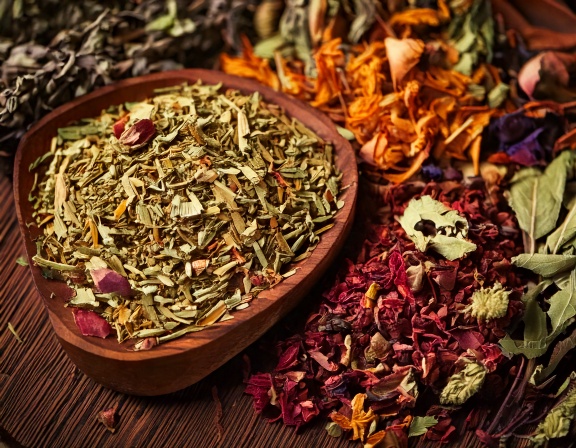
Most people use clover herb as tea. Others add it to herbal blends with plants like nettle, lemon balm, or chamomile. The dried blossoms are the form you’ll most likely buy, and they should look fairly fresh, with some pink or rosy color still visible. If the herb looks dull, dusty, or stale, pass it by.
Trusted sourcing matters too. Buy from sellers who clearly name the herb and store it well. Good dried clover should smell mild and clean, not musty. If you like stocking a small tea shelf, these best digestive herbal teas offer another gentle place to start.
Safety deserves a plain, calm note. Clover may be natural, but natural doesn’t always mean right for everyone. People with plant allergies should be careful. Pregnancy and breastfeeding call for extra caution. Anyone with a hormone-sensitive condition or anyone taking blood thinners should check with a healthcare professional before using red clover. That step is simple, and it’s wise.
The easiest way to prepare red clover tea at home
The basic method is easy. Use dried red clover blossoms, pour hot water over them, and let them steep for several minutes.
The finished tea is usually mild, earthy, and a little grassy. Some people find it pleasant on its own. Others like it with mint or lemon balm for a rounder cup.
Who should use extra care before trying clover herb
A few groups should pause before trying it. That includes people who are pregnant or breastfeeding, those with hormone-sensitive concerns, anyone on blood-thinning medicine, and people with a history of plant allergies.
None of that means clover herb is harsh. It just means care comes first. A gentle herb still deserves respect.
A simple place for clover in everyday herbal life
Clover herb, especially red clover, has earned its place through quiet tradition, easy tea use, and a soft, familiar presence. It isn’t flashy, and that’s part of its charm. For many people, it offers a simple link to everyday herbal living.
If you want to try it, start with quality dried blossoms, keep expectations grounded, and use it with care. Sometimes the most comforting herbs are the ones growing in plain sight, asking only for a warm cup and a little attention.
Stay Connected for More Natural Living Inspiration
If you enjoyed this post about herbal wellness and love discovering natural ways to refresh your home and wellness, don’t miss out on future recipes and clean-living tips! Subscribe to the blog for weekly DIYs, wellness inspiration, and herbal remedies delivered straight to your inbox.
Don’t forget to visit my LinkTree for the links to my favorite essential oils, herbal teas, natural recipes, YouTube ambiance videos for sleeping; a project I created to help with insomnia symptoms and the second channel, Rooted in Nature YouTube Channel both channels feature herbal recipes for wellness and home.
Thanks for coming by
Leave a Reply
You must be logged in to post a comment.