(DISCLAIMER: I am not a doctor, and you should consult your healthcare professional before starting any health regimen.)
Key Takeaways
- Echinacea is a group of flowering plants commonly used in herbal wellness.
- Most people use it for upper respiratory support, especially at the first sign of a cold.
- Research is mixed, but some studies suggest it may help ease or shorten certain cold symptoms.
- Results vary because products differ by species, plant part, strength, and form.
- Many people take echinacea early, rather than using it every day for long stretches.
- Product quality matters, so labels should list the species and plant part.
- People with daisy-family allergies, autoimmune concerns, or medicine use should be cautious.
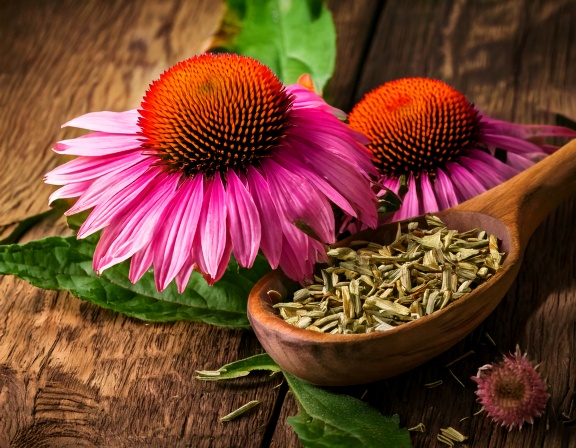
In late fall and winter, echinacea shows up everywhere, from warm mugs to amber dropper bottles. It has that cottage-garden charm, yet it’s also one of the most talked-about herbs in natural wellness. Echinacea is a flowering plant, and people often use it in teas, tinctures, capsules, and extracts, especially during cold and flu season.
This herb has a strong reputation, but reputation and research are not always the same thing. Below, you’ll get a clear look at what echinacea is, what studies suggest, how people use it at home, and when extra care makes sense. If you like seasonal wellness routines, you may also enjoy these essential oils for immune support.
How echinacea works, and what the research really says
Echinacea is thought to support the body’s immune response through natural plant compounds, including alkamides, polysaccharides, and flavonoids. You don’t need to memorize those names. The simple point is that the plant contains active compounds that may influence how the body responds during minor upper respiratory illness.
Still, echinacea is not a magic shield. Study results are mixed, and that’s partly because researchers have not always tested the same thing. One product may use the root, another the flower and leaf. One may contain Echinacea purpurea, while another uses a different species. Strength and timing vary too.
That makes echinacea research feel a bit like comparing apples, pears, and plums in the same basket. They’re all fruit, but they are not the same.
Echinacea may offer support for some people, but it does not prevent or cure illness.
The plant behind the remedy
Several species appear in supplements, but three show up most often: Echinacea purpurea, Echinacea angustifolia, and Echinacea pallida. The final product may use the leaves, flowers, roots, or a mix of plant parts.
This matters because plant part and species can change the chemical profile. In plain terms, two bottles labeled “echinacea” may not work alike. That’s why careful shoppers should read beyond the front label.
What studies suggest about colds and immune support
Some studies suggest echinacea may help shorten a cold or reduce symptom severity for certain people, especially when taken early. That early window matters. Many users start it at the first scratchy throat or that heavy, tired feeling that often comes before a cold settles in.
However, findings are inconsistent. Some trials show a benefit, while others do not. As a result, echinacea sits in that honest middle ground, promising enough to interest researchers, but not strong enough to make bold claims.
For a broader seasonal routine, some people pair herbs with other home practices, such as rest, fluids, and natural remedies for colds. That balanced approach makes more sense than relying on one herb alone.
Best ways to use echinacea safely at home
Echinacea comes in several forms, and each fits a different kind of routine. Some people enjoy the comfort of a hot cup, while others want something quick before heading out the door. The best form is often the one you can use correctly and consistently for a short period when needed.
Whatever form you choose, follow the label. Herbal products vary more than most people think, so one brand’s serving size may not match another’s.
Tea, tincture, capsule, or extract, which form fits your routine
Tea feels familiar and soothing. It’s a good fit for people who enjoy the ritual of brewing herbs, especially during colder months. Still, tea may be milder than more concentrated forms.
Tinctures and liquid extracts are more concentrated and easy to take in small amounts. They’re popular with people who want fast, simple use without making tea.
Capsules are often the easiest option for busy days. They don’t have the taste of herbal liquids, which some people prefer. They also travel well and feel straightforward.
Each form has trade-offs. Tea offers comfort, tinctures offer flexibility, and capsules offer convenience. None is automatically best for everyone.
When to take it, and how to choose a quality product
Many people use echinacea at the first sign of a cold rather than every day for long-term use. Labels differ, and herbal practitioners may have different views, but short-term, early use is common.
When buying echinacea, look for a label that lists:
- The species, such as Echinacea purpurea
- The plant part, such as root or aerial parts
- Clear serving directions
- Third-party testing, when available
Reputable brands also help. A tidy label can’t guarantee quality, but vague labeling is a warning sign. If you enjoy herb-based drinks, adding a simple tea ritual can also make wellness habits easier to keep.
Who should be careful with echinacea
Echinacea is generally well tolerated for many adults, but “natural” does not always mean risk-free. Most side effects are mild, yet some people should pause before using it.
Common reactions can include stomach upset, nausea, or a rash. In many cases, these are minor. Even so, allergies deserve real attention, especially if you already react to ragweed, daisies, chrysanthemums, or marigolds.
Common side effects and allergy concerns
Echinacea belongs to the daisy family. Because of that, people with related plant allergies may be more likely to react. Signs can range from mild itching to more serious allergy symptoms.
For most people, side effects stay on the mild side. An upset stomach or skin irritation may happen, especially with a new product. If a reaction appears, stop using it and seek care if symptoms feel strong or unusual.
When a quick check with a healthcare professional makes sense
A short conversation with a healthcare professional is wise if you’re pregnant, breastfeeding, taking regular medicines, or managing an autoimmune condition. That extra step matters because herbs can interact with medicines or affect how the immune system responds.
Extra caution also makes sense for children and for anyone with long-term health concerns. A quick check is not overkill. It’s the herbal version of reading the weather before a long walk, simple, sensible, and worth it.
A grounded final word on echinacea
Echinacea has earned its place in many home herbal cabinets, and for some people, it may offer helpful support during cold season. Still, it works best when expectations stay realistic, product quality is taken seriously, and safety comes first. Echinacea is not a cure-all, but it can be a useful herb when chosen well and used early. Trust the label, trust good guidance, and let common sense walk beside your wellness routine.
Stay Connected for More Natural Living Inspiration
If you enjoyed this post about herbal wellness and love discovering natural ways to refresh your home and wellness, don’t miss out on future recipes and clean-living tips! Subscribe to the blog for weekly DIYs, wellness inspiration, and herbal remedies delivered straight to your inbox.
Don’t forget to visit my LinkTree for the links to my favorite essential oils, herbal teas, natural recipes, YouTube ambiance videos for sleeping; a project I created to help with insomnia symptoms and the second channel, Rooted in Nature YouTube Channel both channels feature herbal recipes for wellness and home.
Thanks for coming by
Leave a Reply
You must be logged in to post a comment.