(DISCLAIMER: I am not a doctor, and you should consult your healthcare professional before starting any health regimen.)
Key Takeaways
- Mullein leaf is commonly brewed as tea or a warm infusion.
- Many people use it for throat and respiratory comfort.
- Early research is interesting, but human studies are still limited.
- Tiny hairs on the leaf should be strained out well before drinking.
- Start small, and check with a healthcare professional if needed.
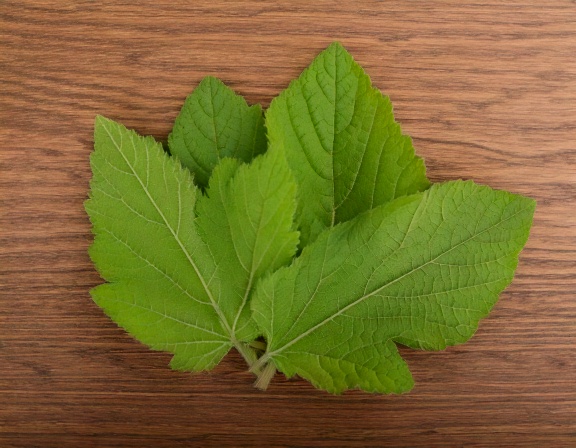
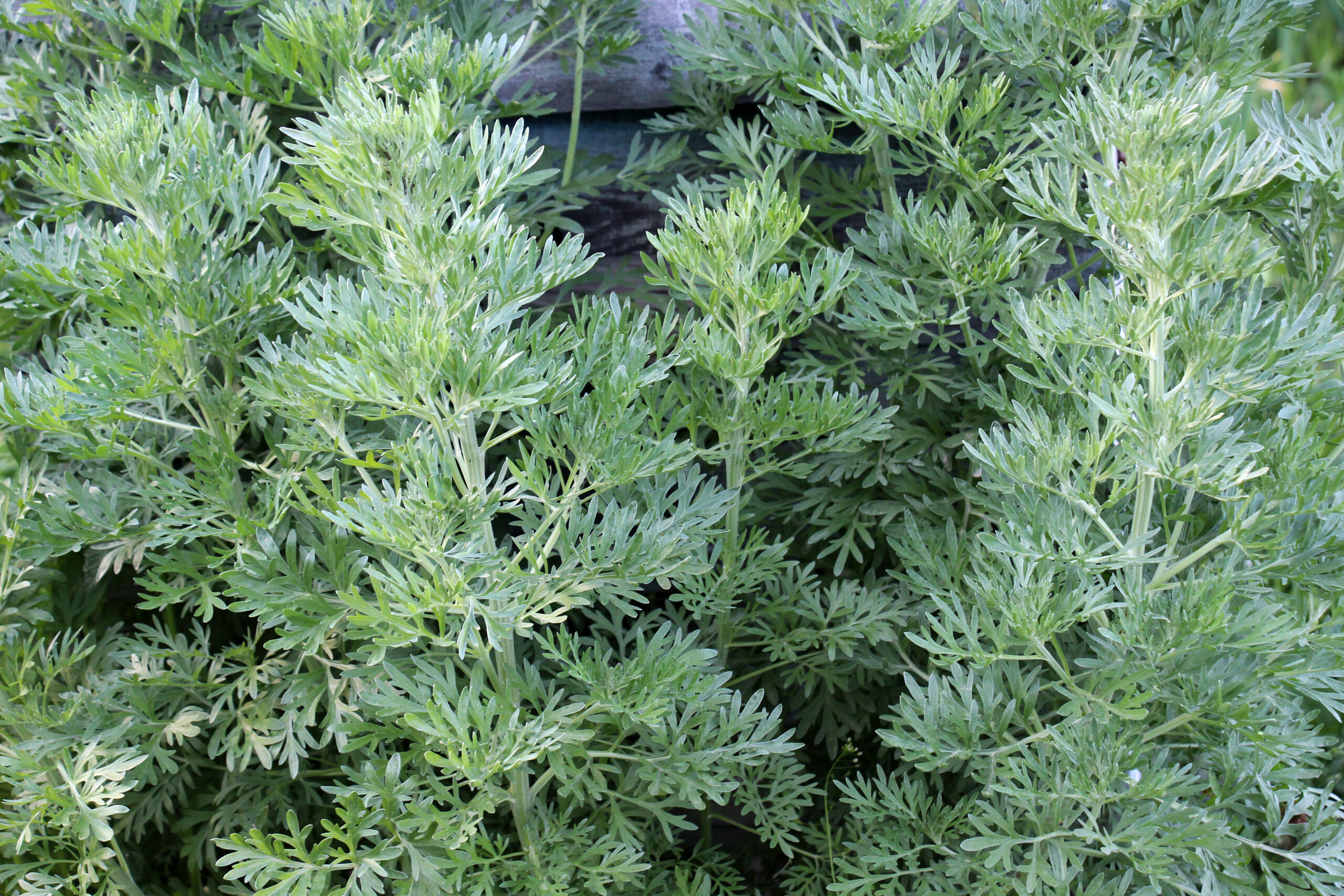
Picture a pale green leaf so soft it looks dusted with velvet. That’s the first thing many people notice about mullein leaf. It comes from the mullein plant, a tall, old-fashioned herb with a long place in folk wellness traditions.
Today, people mostly know mullein leaf as a tea herb. In this post, you’ll learn what it is, how it’s commonly used, what benefits people look for, and how to prepare it safely. Herbs can be a gentle part of self-care, but they don’t replace medical treatment when symptoms are serious or ongoing.
What mullein leaf is and what makes it stand out
Mullein leaf comes from Verbascum thapsus, a plant known for its fuzzy leaves and tall spike of yellow flowers. In its first year, the plant forms a low rosette of soft leaves. Later, it sends up a flower stalk that can rise high above the garden, almost like a candle on a green stem.
That soft texture is part of what makes mullein memorable. The leaves are thick, woolly, and easy to spot. For a lot of herbalists, mullein feels like a quiet plant, mild in taste, gentle in action, and easy to work into a tea routine.
Herbal sources often mention compounds such as mucilage, saponins, and flavonoids. In plain language, mucilage is a slick, soothing substance found in some plants. Saponins are plant compounds often linked with a loosening, clearing feel. Flavonoids are natural antioxidants that help protect plant tissue and may also support the body in everyday ways.
Why the leaf feels soothing in herbal tea
When people drink mullein leaf tea, they often describe it as soft, mild, and comforting. It doesn’t hit the tongue with strong spice or sharp bitterness. Instead, it tends to feel calm and simple, like a warm cloth on a cool day.
That soothing reputation is one reason mullein leaf gets so much attention during dry, scratchy, or irritated times. Herbalists often connect that effect to the leaf’s mucilage content and its gentle nature. Still, a cozy cup isn’t the same as a cure. It may support comfort, but it shouldn’t replace proper care for breathing problems or infection.
How mullein leaf has been used in traditional herbal care
Mullein has a long history in Europe and North America. Traditional herbalists often turned to the leaf for chest comfort, throat support, and general seasonal wellness. People also used it in warm infusions, steams, and simple home remedies.
Traditional use matters, but it isn’t the same as proof from modern clinical trials.
That distinction is important. Folk use tells us how a plant was valued. Research tells us how well those uses hold up under controlled study.
Common mullein leaf benefits, plus what research actually says
Most people don’t reach for mullein leaf because it’s trendy. They choose it because it has a long, steady reputation as a comfort herb. In practice, mullein leaf is often used for the throat, chest, and everyday herbal support, especially in tea form.
Research, however, is still modest. Some lab and early preclinical findings suggest antioxidant and soothing properties. That said, strong human trials on mullein leaf are still limited. So the honest view is simple: tradition is strong, interest is growing, and the science is promising but incomplete.
Respiratory comfort is the reason most people reach for mullein leaf
This is the main draw. Many people sip mullein leaf tea when the throat feels dry or the chest feels a little irritated. The tea is often seen as a gentle option during seasonal changes, indoor heat, or other times when the air feels harsh.
Herbalists sometimes describe mullein as offering expectorant-style support, meaning it may help the body feel less stuck or tight. The leaf’s soothing feel also adds to its appeal. Still, careful wording matters here. Mullein leaf isn’t a proven treatment for lung disease, asthma, or infection.
For people building a broader comfort routine, essential oils for congestion relief may also be a useful wellness read alongside herbal tea.
Its antioxidant compounds may support overall wellness
Flavonoids and other plant compounds in mullein leaf may help the body handle the wear and tear of normal daily life. That’s what people usually mean when they talk about antioxidants. Think of them as part of the body’s cleanup crew.
Still, this isn’t the main reason most people drink mullein tea. The bigger appeal is how it feels in the moment, warm, mild, and soothing. The antioxidant angle is interesting, but it’s more of a bonus than the headline.
How to use mullein leaf safely at home
Mullein leaf is simple to use, but a few details matter. First, tea is the most common home method. Some people make a quick cup, while others prepare a longer infusion for a stronger brew. Either way, dried leaf is the usual starting point.
Safety starts with preparation. Mullein leaves have tiny hairs, and those hairs can be irritating if they end up in the cup. Because of that, good straining isn’t optional. It’s part of using the herb well.
Also, begin with small amounts. Herbs can affect people differently, and even gentle plants can cause irritation in some cases. Buy from a trusted source, store it well, and pay attention to how your body responds.
The easiest way to prepare mullein leaf tea
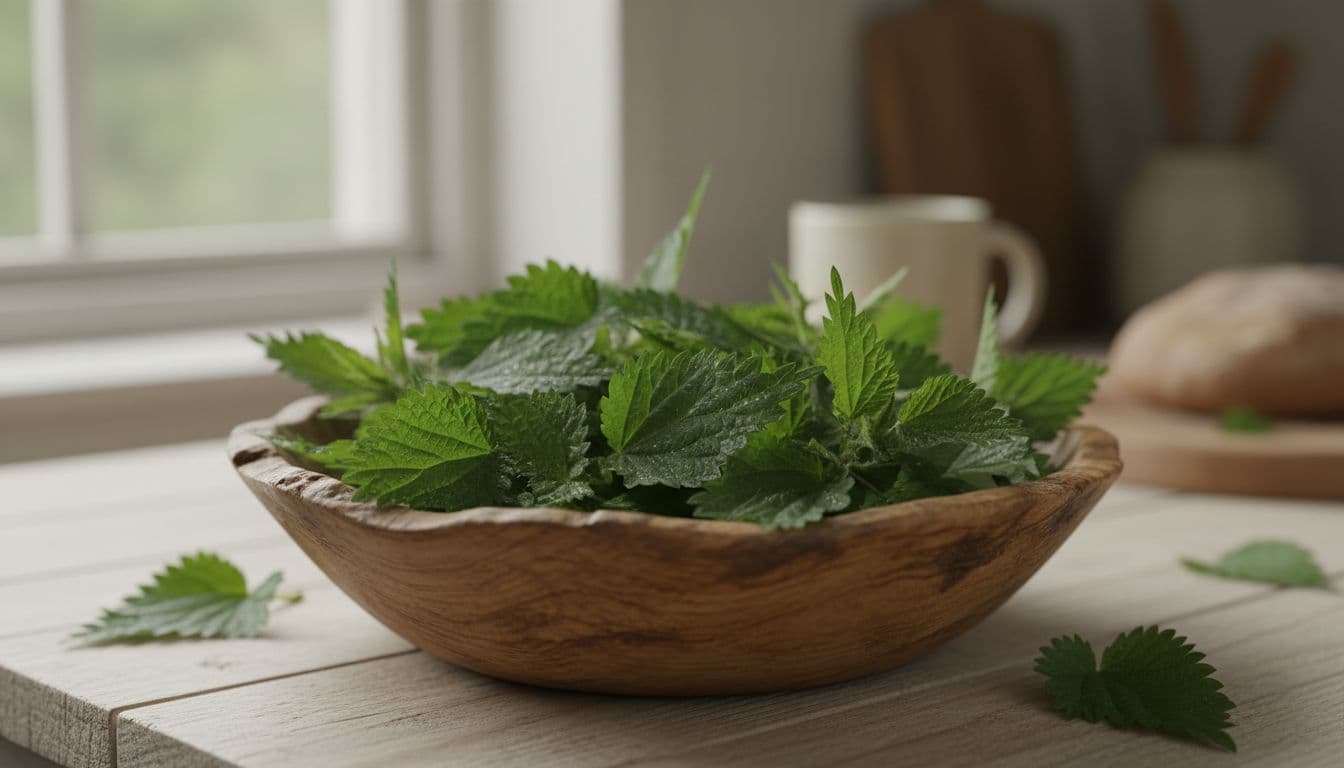
A simple cup is often enough. Steep dried mullein leaf in hot water, then strain it through a very fine mesh, paper filter, or clean cloth. The extra filtering step matters because it catches the fine leaf hairs that a regular tea ball may miss.
The taste is usually mild, soft, and a little earthy. Some people enjoy it plain, while others mix it with mint or a touch of honey. If you like building a home tea shelf, these digestive herbal tea options show how different herbs can support different needs.
Who should be careful with mullein leaf
Most people tolerate mullein leaf well, especially in modest amounts. Even so, a calm, common-sense approach is best.
- People with plant sensitivities: The fuzzy leaf may irritate skin, and allergies are possible.
- Anyone pregnant or breastfeeding: Check with a healthcare professional first.
- People taking medicine or managing a health condition: Ask about possible interactions.
- Anyone buying loose herb: Choose a trusted source so the plant is clean and correctly identified.
If symptoms are heavy, unusual, or getting worse, tea isn’t the next step. Medical care is.
A grounded way to think about mullein leaf
Mullein leaf is best seen as a gentle traditional herb, not a miracle fix. Many people enjoy it as a carefully strained tea for seasonal comfort, throat ease, and simple herbal support. Its long history gives it a warm place in natural wellness, even though modern human research still has catching up to do. Choose quality herbs, prepare them with care, and get medical guidance when symptoms are severe, persistent, or unclear.
Stay Connected for More Natural Living Inspiration
If you enjoyed this post about herbal wellness and love discovering natural ways to refresh your home and wellness, don’t miss out on future recipes and clean-living tips! Subscribe to the blog for weekly DIYs, wellness inspiration, and herbal remedies delivered straight to your inbox.
Don’t forget to visit my LinkTree for the links to my favorite essential oils, herbal teas, natural recipes, YouTube ambiance videos for sleeping; a project I created to help with insomnia symptoms and the second channel, Rooted in Nature YouTube Channel both channels feature herbal recipes for wellness and home.
Thanks for coming by!
Leave a Reply
You must be logged in to post a comment.