
(DISCLAIMER: I am not a doctor, and you should consult your healthcare professional before starting any health regimen.)
Key Takeaways
- Skullcap herb usually means American skullcap, while Chinese skullcap is a different species with different traditional uses.
- American skullcap is best known as a gentle herb for calm, nervous tension, and winding down.
- Human research is still limited, so claims should stay modest and practical.
- Possible side effects include drowsiness and stomach upset, especially with strong products or blends.
- Use extra caution with alcohol, sedatives, pregnancy, breastfeeding, liver concerns, and before driving.
- Buy from trusted brands, and check the label for the Latin name.
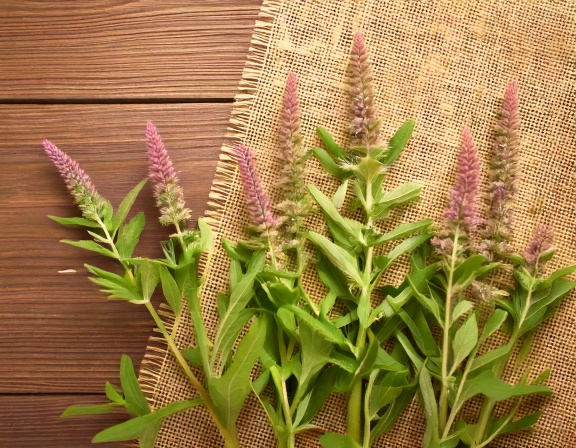
Picture a quiet cup at dusk, steam curling up as the day finally softens. In wellness circles, skullcap herb often shows up in that kind of moment, gentle, earthy, and tied to calm. Most of the time, people mean American skullcap, not Chinese skullcap. That matters, because they are different plants with different traditional uses.
This article keeps it simple. You’ll learn what skullcap is, how people commonly use it, what benefits it may offer, and where safety deserves your full attention. Herbs can support wellness, but they aren’t a cure-all, and the right plant name matters more than many shoppers realize.
What skullcap herb is, and why the name can be confusing
Skullcap is a flowering plant in the mint family. Its small blossoms have a shape that reminded people of old-fashioned caps or helmets, which is how the herb got its name. It sounds dramatic, but the plant itself is often described as soft and steady rather than intense.
The name gets tricky because “skullcap” can point to more than one plant. In everyday herbal use, especially in teas and tinctures for relaxation, people usually mean American skullcap (Scutellaria lateriflora). Yet shoppers may also see Chinese skullcap (Scutellaria baicalensis), which has a different history and a different place in herbal practice.
That distinction matters. If you buy by common name alone, you might bring home a product that doesn’t match your goal. For someone looking for a mild evening herb, mixing up the two is a bit like reaching for cinnamon and finding cumin. Both are useful, but not for the same job.
American skullcap vs. Chinese skullcap
American skullcap, Scutellaria lateriflora, is the one most wellness readers mean when they say skullcap herb. Herbalists have long used it as a calming nervine, which means an herb people turn to when the mind feels frayed and the body won’t quite loosen its grip. It’s often linked with rest, tension support, and bedtime routines.
Chinese skullcap, Scutellaria baicalensis, has a separate history, mostly tied to traditional Chinese medicine. People use it for very different reasons, and many products focus on the root rather than the leafy parts. So, while the plants share a genus, they are not casual substitutes.
Because of that, product labels should list the Latin name. Common names can blur together, but the Latin name tells you what’s actually in the bottle. If the label only says “skullcap,” pause before buying.
What parts of the plant people use
For American skullcap, the above-ground parts are the ones most often used. That usually means the leaves, stems, and flowering tops.
You’ll see them in tea, tincture, and capsule form. Each form can feel different because preparation changes strength. A mild tea and a concentrated tincture are not the same experience, even when they come from the same herb.
Potential skullcap herb benefits, what people use it for most
When people talk about skullcap herb benefits, one theme rises to the top: calm. Traditional use has centered on helping a tense, overworked nervous system settle down. Think of it less like flipping a switch and more like dimming a room with a soft lamp. The edge may ease, but the herb doesn’t usually act like a heavy knockout aid.
That said, careful wording matters. Human research on American skullcap is still limited. So, it makes more sense to talk about traditional use and possible effects than bold promises. Many herbs have long histories before modern trials catch up, and skullcap falls into that space.
A gentle herb for stress, nervous tension, and winding down
American skullcap is often described as a calming nervine. In plain English, that means people have used it to support a frazzled mind and a tense body. It’s the sort of herb some reach for when they feel wound too tight, restless, or mentally noisy after a long day.
Some people like it because the effect can feel quieter than stronger sleep herbs. Instead of pushing the body hard, skullcap may help create a softer landing. For that reason, it often appears in blends made for evening tea or stress support.
Still, it’s not the same as treatment for an anxiety disorder, and it shouldn’t replace professional care when symptoms are ongoing or severe. A gentle herb can be helpful, but it’s not a full answer to chronic stress, panic, or burnout.
If you enjoy building a calming tea ritual, these 10 soothing herbal teas for anxiety relief offer more ideas for gentle support.
Check the Latin name before you buy, because “skullcap” alone can hide the wrong plant.
May support sleep when a busy mind won’t settle
Skullcap also shows up in evening routines because relaxation and sleep are close cousins. When the mind keeps circling at bedtime, some people find that skullcap helps them loosen their mental grip enough to settle.
That doesn’t make it a strong sleep medicine. Instead, it may be more useful for the kind of sleeplessness that comes from tension, mental chatter, or feeling keyed up late at night. In that role, it works best as part of a pattern, not a one-herb rescue plan.
Many people pair skullcap with simple bedtime habits, such as dim light, quiet music, a warm drink, or putting the phone away early. Those small signals tell the body the day is closing. Skullcap may fit that rhythm, but it rarely does all the work alone.
How to use skullcap herb safely and choose a quality product
A gentle herb still deserves respect. The biggest problems with skullcap usually come from poor labeling, mixed ingredients, or taking it without thinking about other calming products already in the picture. Safety starts before the first sip.
The first step is choosing a product that clearly names the species. For most relaxation-focused use, that means Scutellaria lateriflora. Good brands also share where the herb comes from, how it was prepared, and what else is in the formula. Blends can be useful, but they can also stack effects.
Tea, tincture, and capsules, which form fits your routine
Tea is the most sensory option. It feels slow, warm, and easy, which already suits an evening ritual. For many people, tea is the gentlest place to start.
Tinctures are liquid extracts, usually taken in small amounts. They’re more concentrated and more convenient, especially if you don’t want to brew a cup. Some people like how easy they are to carry or add to water.
Capsules are simple and tidy. They don’t offer the smell or taste of the herb, but they can fit a busy routine well. The downside is that they feel less intuitive, and strength can vary from brand to brand.
Whichever form you choose, follow the product directions. Start low, especially with blends, because another calming herb may already be doing part of the work.
Side effects, interactions, and when to ask a health professional
The most common concerns are drowsiness and mild stomach upset. That sleepy feeling may sound welcome at night, but it’s a poor fit before driving, working, or anything that needs a clear head.
Use extra caution if you drink alcohol or take medicines that cause sleepiness, such as sedatives or some allergy products. The same goes for herbal blends with valerian, kava, passionflower, or similar calming herbs. Layering several quieting agents can push the effect too far.
Pregnant or breastfeeding readers should check with a qualified health professional before using skullcap. The same caution applies if you have liver concerns, take regular medications, or manage a complex health condition. Also, if you’ve had a bad reaction to herbal products before, a little skepticism is wise.
Quality matters here. Some older concerns around skullcap safety have involved contamination or mistaken plant identity rather than the intended herb itself. That’s another reason to choose reputable brands with clear labels and good sourcing practices.
Simple ways to bring skullcap into a gentle wellness routine
Skullcap works best when it joins a rhythm that already invites calm. Think of it as one quiet note in a fuller song, not the whole orchestra.
A mug of skullcap tea can become a signal that the day is easing. A tincture might fit into a simple evening habit when life feels rushed. Either way, the goal is steady support, not chasing a dramatic effect.
Pair skullcap with other calming habits
Try pairing skullcap with one or two low-effort habits that help your body downshift. For example, sip tea while journaling for five minutes, stretching your shoulders, or sitting in dim light instead of scrolling. Those tiny choices add up.
A warm bath, slow breathing, or a brief walk after dinner can also pair well with a calming herb. The point is not to build a perfect routine. It’s to make the landing softer at the end of the day.
If you like cozy tea rituals, it also helps to keep a few calming options on hand so you can match the moment to the herb.
A few signs it’s time to pause and reassess
Sometimes less is better. If skullcap leaves you too sleepy, gives you an upset stomach, or makes you feel off in any way, stop and reassess.
The same goes if you’re taking several calming products at once and can’t tell what’s causing what. When the picture gets crowded, clarity matters more than doing more. Simple, steady use almost always beats piling on extra drops, capsules, or cups.
Conclusion
Skullcap herb is best known as a gentle plant for calm, tension support, and evening ease. For most readers, that means American skullcap, not Chinese skullcap, and the difference matters. Safe use starts with the right species, a trustworthy label, and a realistic view of what herbs can do.
Used thoughtfully, skullcap may add a soft layer of support to a bigger wellness routine. It shines brightest beside rest, quiet habits, and a little room to breathe.
Stay Connected for More Natural Living Inspiration
If you enjoyed this post about herbal wellness and love discovering natural ways to refresh your home and wellness, don’t miss out on future recipes and clean-living tips! Subscribe to the blog for weekly DIYs, wellness inspiration, and herbal remedies delivered straight to your inbox.
Don’t forget to visit my LinkTree for the links to my favorite essential oils, herbal teas, natural recipes, YouTube ambiance videos for sleeping; a project I created to help with insomnia symptoms and the second channel, Rooted in Nature YouTube Channel both channels feature herbal recipes for wellness and home.
Thanks for coming by!
Leave a Reply
You must be logged in to post a comment.