(DISCLAIMER: I am not a doctor, and you should consult your healthcare professional before starting any health regimen.)
Key Takeaways
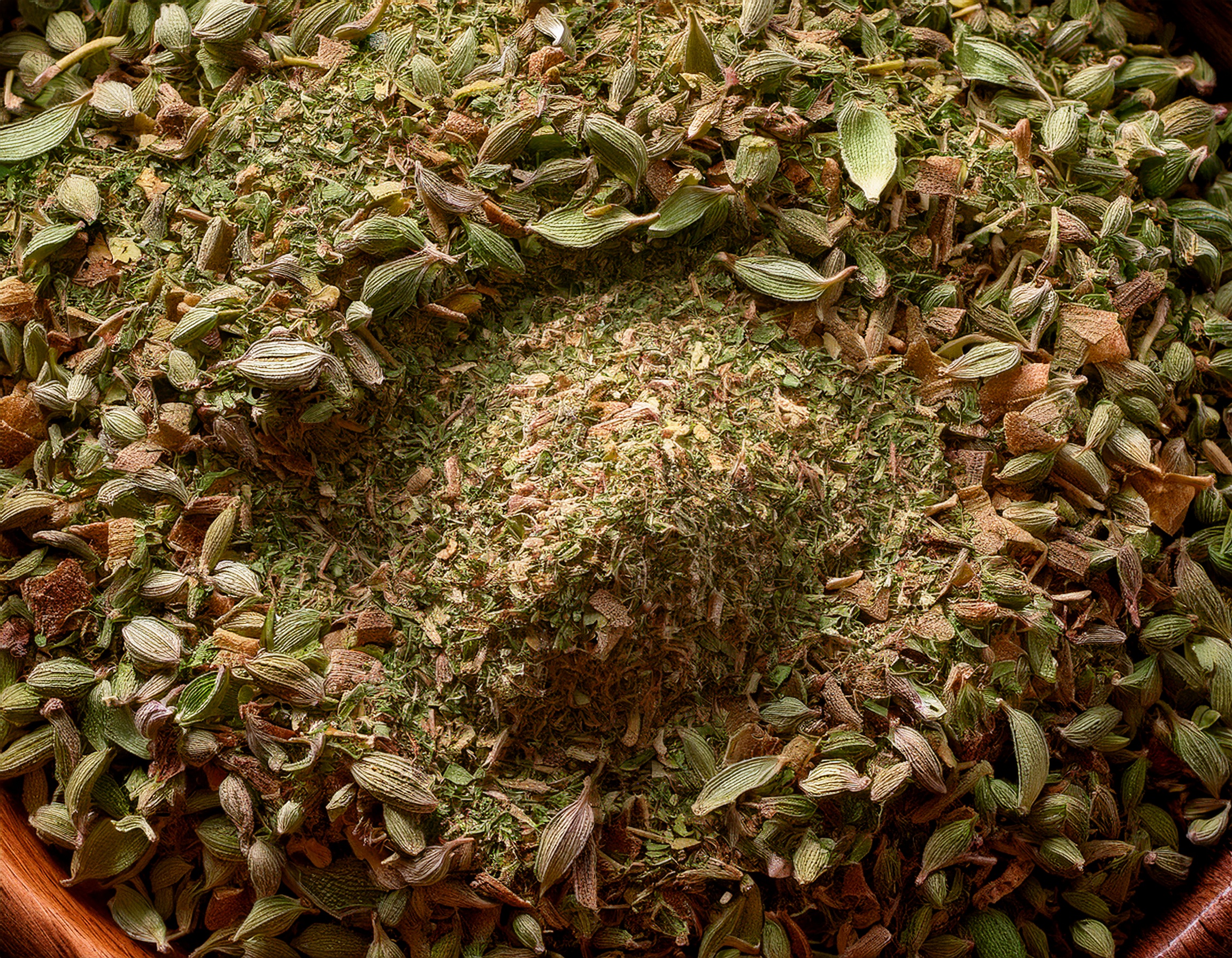
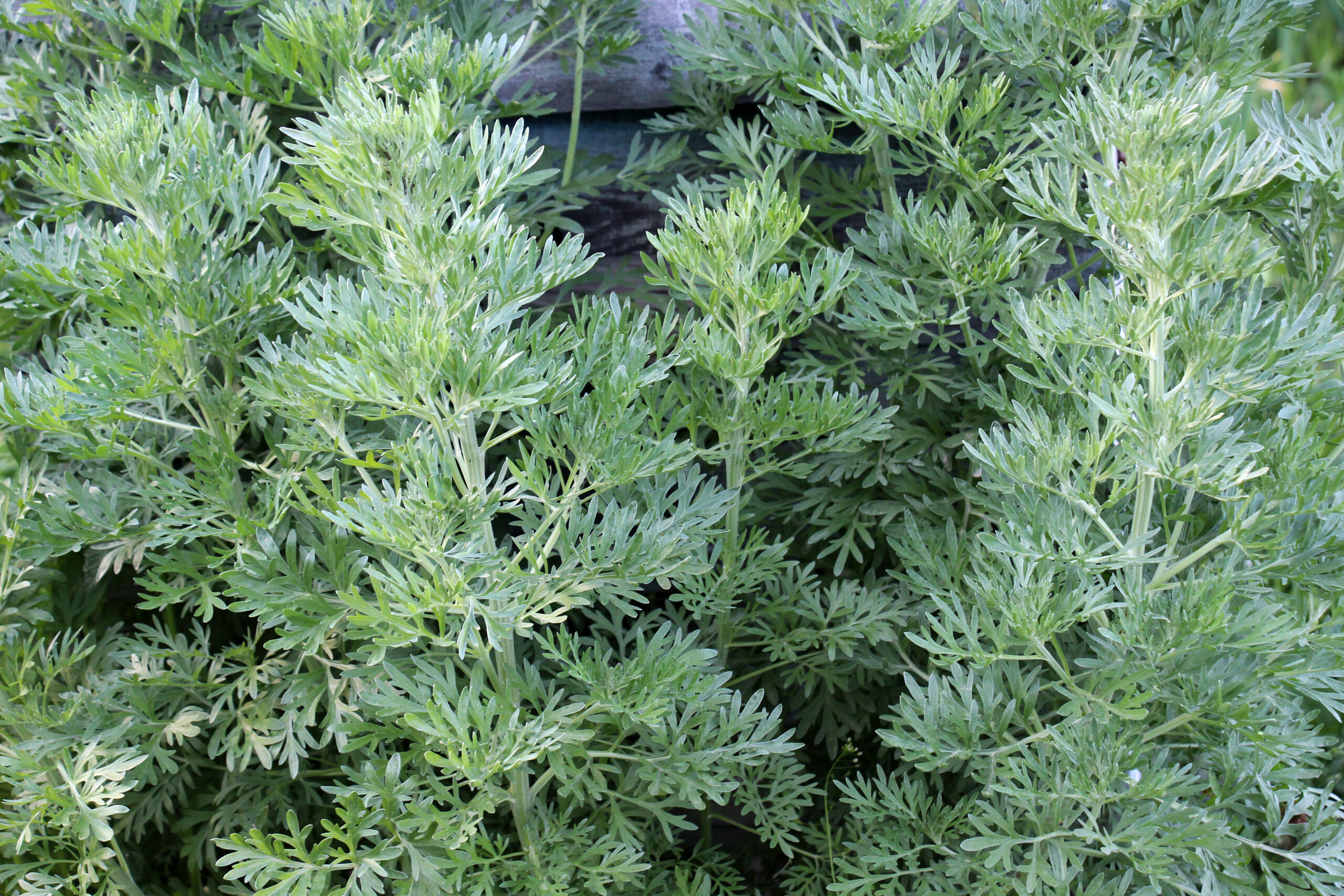
- Chaparral herb comes from the creosote bush, a desert shrub called Larrea tridentata.
- People have used it in traditional wellness practices for teas, tinctures, capsules, and topical products.
- Some claims focus on antioxidant effects, skin support, and general wellness, but human evidence is limited.
- The biggest issue is safety, because chaparral has been linked to serious liver injury.
- Many experts advise avoiding internal use, especially for people with health conditions or those taking certain medicines.
Chaparral herb, also called creosote bush, has a long history in traditional herbal use. Many people become curious about it because it’s tied to folk wellness practices and sold in teas, capsules, tinctures, and salves.
Still, safety is the biggest part of this story. Chaparral may sound like just another desert herb, but it carries serious concerns, especially when taken by mouth. If you’re looking into chaparral herb, a balanced view matters more than hype.
What chaparral herb is and why people use it
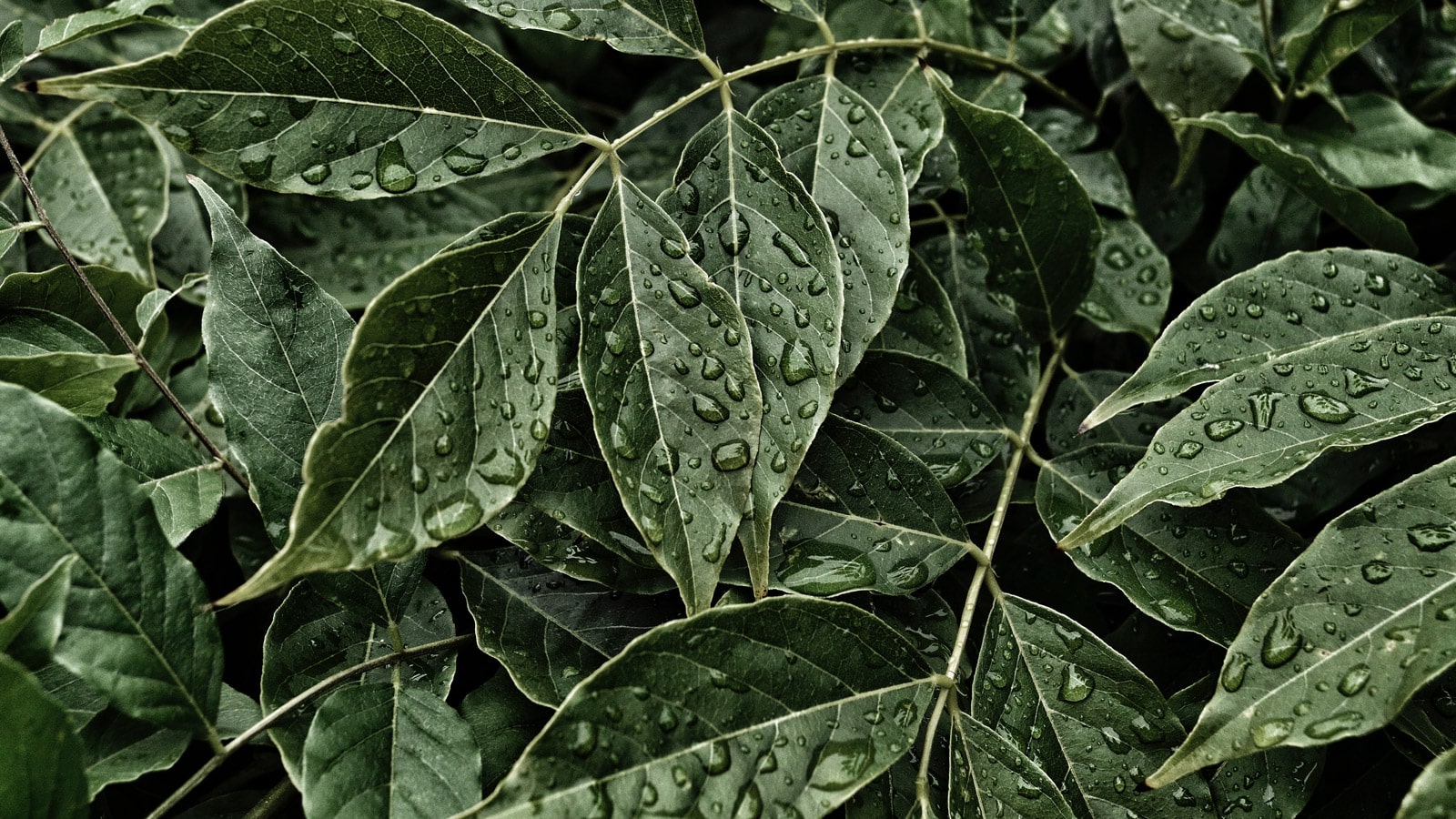
Chaparral herb comes from the creosote bush, a hardy shrub that grows in dry regions of the American Southwest and northern Mexico. The plant is known for surviving harsh heat and little rain, almost like a desert plant with armor.
In herbal circles, chaparral has been used for generations. People have turned to it in traditional practices for general wellness and skin-related concerns. That history explains why interest still lingers today.
Some readers search for “chapparal herb,” which is a common misspelling of chaparral herb. Both terms usually point to the same plant-based product.
Common names, plant background, and traditional use
The shrub itself is often called creosote bush, while the herbal product is sold as chaparral. Its botanical name is Larrea tridentata.
That distinction matters. A wild desert shrub and a bottled supplement aren’t the same thing in practice. Once the plant becomes a tea, capsule, or tincture, people may assume it’s harmless. That’s not a safe assumption.
Traditionally, chaparral appeared in folk herbal systems for a range of uses. Some people saw it as a cleansing herb. Others used it for skin support or as part of broader wellness routines. History explains interest, but history alone doesn’t prove safety.
The forms you may see, tea, capsules, tinctures, and salves
Chaparral products show up in a few common forms. Tea is one of the oldest. Capsules and tinctures are popular for convenience. Salves and creams are usually marketed for topical use.
However, the form doesn’t erase the risk. A tea can still expose the body to harmful compounds. A capsule may look neat and measured, but that doesn’t make it safer. Even topical products deserve caution, especially on damaged or sensitive skin.
Potential benefits people claim, and what research really shows
Chaparral herb is often discussed for its plant compounds, including substances with antioxidant activity in lab settings. Some people also mention skin support and broad wellness claims.
That sounds promising at first. Yet there is a big gap between a traditional claim, a lab result, and a proven health benefit in people.
Why some people see chaparral as a natural wellness herb
Part of the appeal is simple. It’s an old herbal remedy from a striking desert plant, and people often trust herbs with a long traditional history. Others are drawn to the idea that plant compounds may help the body handle stress from oxidation.
In the wellness space, herbs can feel like gentle tools rather than strong interventions. That’s part of why chaparral still gets attention. It fits the image of an old, plant-based remedy.
But a natural label can be misleading. A cactus spine is natural too, and nobody mistakes it for harmless.
What studies suggest, and where the evidence falls short
Some early studies and lab research suggest chaparral contains active compounds worth studying. That does not mean the herb is proven safe or effective for treating health problems.
Human evidence is limited. Strong clinical research is lacking for most of the benefits people claim. So while traditional use exists, modern proof does not firmly support internal use for wellness.
Lab findings are not the same as real-world safety in people.
Chaparral herb safety concerns you should not ignore
This is the most important part of the topic. Chaparral has been linked to serious liver problems, and that risk drives most modern warnings about it.
Because of those concerns, many experts advise against taking chaparral internally. That includes teas, tinctures, and capsules. Natural products can be useful, but some carry real harm, and chaparral is one of the herbs that deserves a high level of caution.
The liver risk linked to chaparral supplements and teas
Reports have connected chaparral use with liver toxicity, including severe liver injury. In some cases, the damage has been serious enough to require urgent medical care.
That doesn’t mean every person who takes it will have the same outcome. Still, the possibility is serious enough that it can’t be brushed aside. When the main safety concern involves the liver, caution should lead the conversation.
This is also why many people do better looking into lower-risk herbal options, such as 10 soothing herbal teas for anxiety or top herbal teas for digestive relief and bloating support when their goal is general comfort rather than experimenting with high-caution herbs.
Who should avoid chaparral completely
Some groups should avoid chaparral altogether. That includes people who are pregnant or breastfeeding. It also includes anyone with liver disease, kidney disease, or a history of serious health conditions unless a qualified healthcare professional says otherwise.
People who take medicines that affect the liver should be especially careful. The same goes for anyone taking multiple prescriptions, because herb-drug interactions aren’t always obvious from the label.
Natural does not always mean safe, especially with internal herbal use.
How to make a smart choice if you are considering chaparral
If you’re still considering chaparral herb, slow down and think like a careful label reader, not an impulsive shopper. Supplements are not tested the same way as prescription drugs, so product quality can vary.
Read the ingredient list closely. Check whether the product is meant for internal or external use. Look for clear labeling, company transparency, and safety warnings. If a brand is vague, that’s a bad sign.
Questions to ask before trying any herbal product
A simple checklist can help:
- Why am I using it? Be clear about the goal.
- What are the known risks? Don’t focus only on benefits.
- Could it interact with my medicines or health conditions?
- Is there a safer option with better evidence?
Those questions can save you from treating an herb like a harmless tea leaf when it acts more like a substance that needs strict caution.
Safer ways to support wellness with herbs
For many wellness goals, lower-risk herbs make more sense. If your aim is calm, digestion, sleep, or gentle daily support, better-studied options may be a wiser place to start. You can also learn practical safety habits from resources on natural first aid kit essentials, especially if you enjoy plant-based self-care but want to stay grounded in safe use.
The big idea is simple. Match the herb to the goal, and weigh risk before tradition or trend.
Conclusion
Chaparral herb has a long traditional history, but modern safety concerns change the picture. The biggest issue is possible liver harm, which is why many experts advise avoiding internal use. If you’re exploring herbs for wellness, put safety first, avoid self-treating serious problems, and talk with a qualified healthcare professional before using chaparral.
Stay Connected for More Natural Living Inspiration
If you enjoyed this post about herbal wellness and love discovering natural ways to refresh your home and wellness, don’t miss out on future recipes and clean-living tips! Subscribe to the blog for weekly DIYs, wellness inspiration, and herbal remedies delivered straight to your inbox.
Don’t forget to visit my LinkTree for the links to my favorite essential oils, herbal teas, natural recipes, YouTube ambiance videos for sleeping; a project I created to help with insomnia symptoms and the second channel, Rooted in Nature YouTube Channel both channels feature herbal recipes for wellness and home.
Thanks for coming by!
Leave a Reply
You must be logged in to post a comment.