(DISCLAIMER: I am not a doctor, and you should consult your healthcare professional before starting any health regimen.)
Seasonal allergies and indoor allergies can feel similar, but they often have different triggers. Pollen usually drives spring and fall flare-ups, while dust, pet dander, and mold tend to bother people year-round. Either way, the result can be the same, sneezing, itchy eyes, a runny nose, and that dull sinus pressure that makes your whole head feel heavy.
That’s why many people look at herbs for allergies as extra support. Some herbs may help calm irritation, thin mucus, or make sinus discomfort feel more manageable. Still, herbs don’t replace emergency care, rescue inhalers, or prescribed treatment. The best choice depends on your symptoms, your health history, and the form you use.
If you enjoy tea-based wellness, DI Writes also shares ideas on holy basil tea for stress reduction, which can pair well with a calming self-care routine. First, it helps to know what herbs can and can’t do.
Key takeaways for using herbs for allergies
- Some herbs may help calm inflammation, support sinus comfort, or act as gentle antihistamine-like helpers.
- Results vary, because allergy symptoms don’t show up the same way for everyone.
- Teas, tinctures, capsules, and rinses all work differently and suit different needs.
- Safety matters more if you’re pregnant, breastfeeding, taking medicine, or have asthma.
- If you have ragweed-family sensitivities, some herbs may not be a good fit.
- The best approach is simple, match the herb to the symptom.
How herbs may help with common allergy symptoms
Herbs are often chosen for one main reason, they support a specific type of discomfort. One herb may be a better fit for sneezing and itchy eyes, while another may make more sense for thick mucus or sinus pressure. That’s why random trial and error can feel frustrating.
In simple terms, people usually turn to herbs for four kinds of support. They want help with irritation, mucus balance, sinus comfort, or a jumpy immune response. That doesn’t mean an herb “cures” allergies. It means it may help take the edge off certain symptoms.
The difference between histamine, inflammation, and sinus congestion
Histamine is one of the chemicals your body releases during an allergy response. It’s often linked with sneezing, itching, watery eyes, and a runny nose. When people say an herb feels antihistamine-like, they usually mean it may help calm that type of reaction.
Inflammation is the swelling and irritation that can make your nose, throat, or sinuses feel raw. It may also add pressure, redness, and that “puffy” feeling behind the eyes.
Sinus congestion is more about blocked passages and trapped mucus. Your nose may feel stuffed, your face may ache, and your head can seem foggy. Because these problems overlap, allergies rarely feel exactly the same from person to person.
Why the form of the herb matters, tea, tincture, capsule, or rinse
The form changes the experience. Teas are gentle, soothing, and easy to build into a daily routine. They’re often a good place to start, especially when dryness or throat irritation joins the picture.
Tinctures are more concentrated, and some people like them because they’re quick to take. Capsules are convenient when taste matters or when a standardized amount is preferred.
Then there are rinses, usually saline-based, sometimes paired with herbal support. These work locally in the nose rather than through the whole body. In other words, a cup of tea may comfort you in one way, while a rinse may help a stuffy nose in another.
Best herbs for allergies and what each one is best known for
No herb works for every allergy pattern. Still, a few come up again and again because they’re commonly used for seasonal flare-ups, indoor triggers, and mild sinus complaints. Think of them like different tools in the same drawer. You don’t grab the screwdriver when you need a wrench.
Nettle leaf for sneezing, itchy eyes, and seasonal support
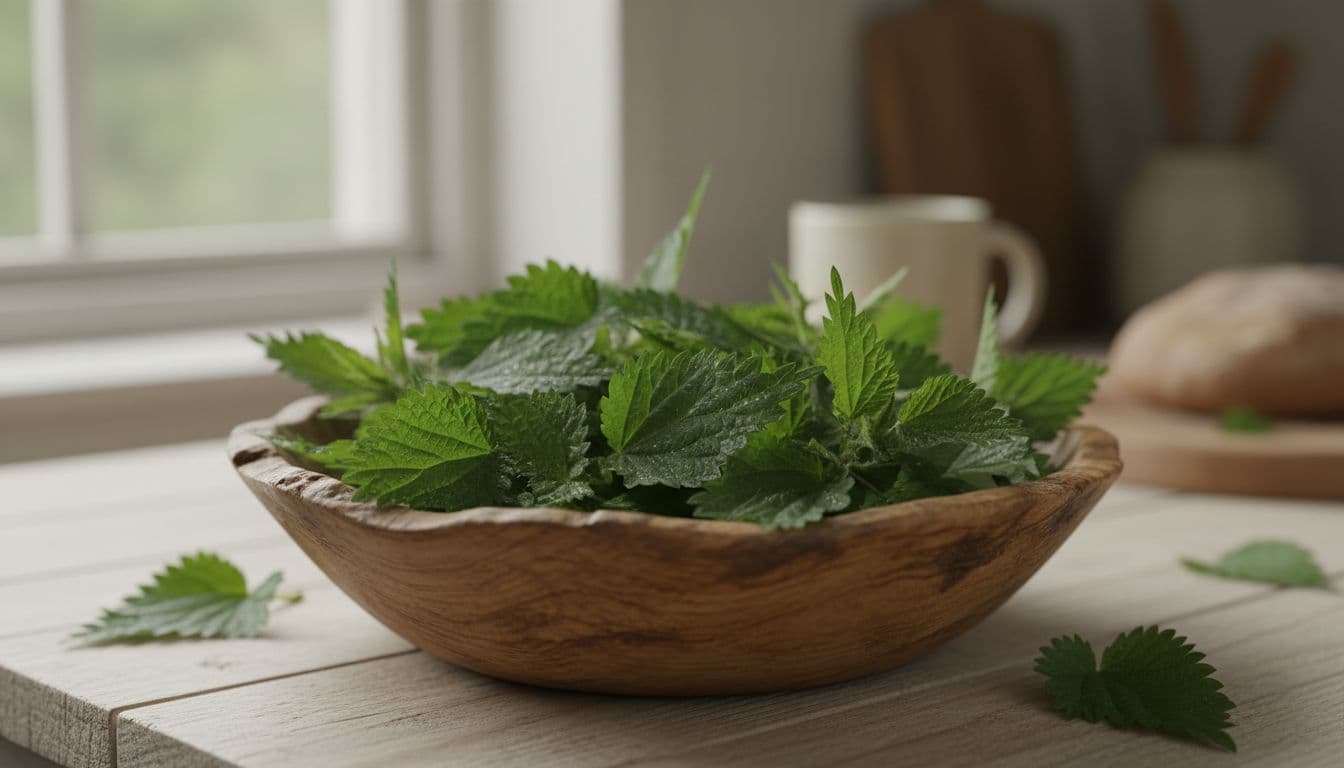
Nettle leaf is one of the most talked-about herbs for seasonal allergies. People often choose it for sneezing, itchy eyes, and that classic pollen-season drip. It’s available as tea, tincture, and freeze-dried capsules.
Tea is mild and easy to try. Capsules are popular because they’re simple and don’t taste grassy. Tinctures offer another option if you want a smaller dose form.
Nettle may not feel dramatic, but that’s often the point. Many people want steady, gentle support. A key caution, though, is that nettle may not suit everyone. If you take diuretics, blood pressure medicine, or have kidney concerns, check with a healthcare professional first.
Butterbur, holy basil, and turmeric for inflammation support
Butterbur often comes up in allergy discussions because some research suggests it may help certain seasonal symptoms. However, only certified PA-free butterbur products should be considered. Raw or poorly processed butterbur can contain harmful compounds that affect the liver.
Holy basil, also called tulsi, is better known as a calming herb, but some people use it when stress and allergies seem to feed each other. That makes sense, because a wired, run-down body can feel more reactive. Holy basil is usually taken as tea or tincture.
Turmeric fits a little differently. It’s not usually the first herb people think of for sneezing, but it’s often chosen for broader inflammation support. Some people add it as tea, capsules, or food. The evidence for all three herbs is mixed but encouraging for some users.
Safety still matters. Butterbur should be PA-free only. Holy basil may not be ideal during pregnancy without medical guidance. Turmeric can interact with blood thinners and may bother some stomachs in higher amounts.
Peppermint, ginger, and elderflower for sinus comfort and drainage
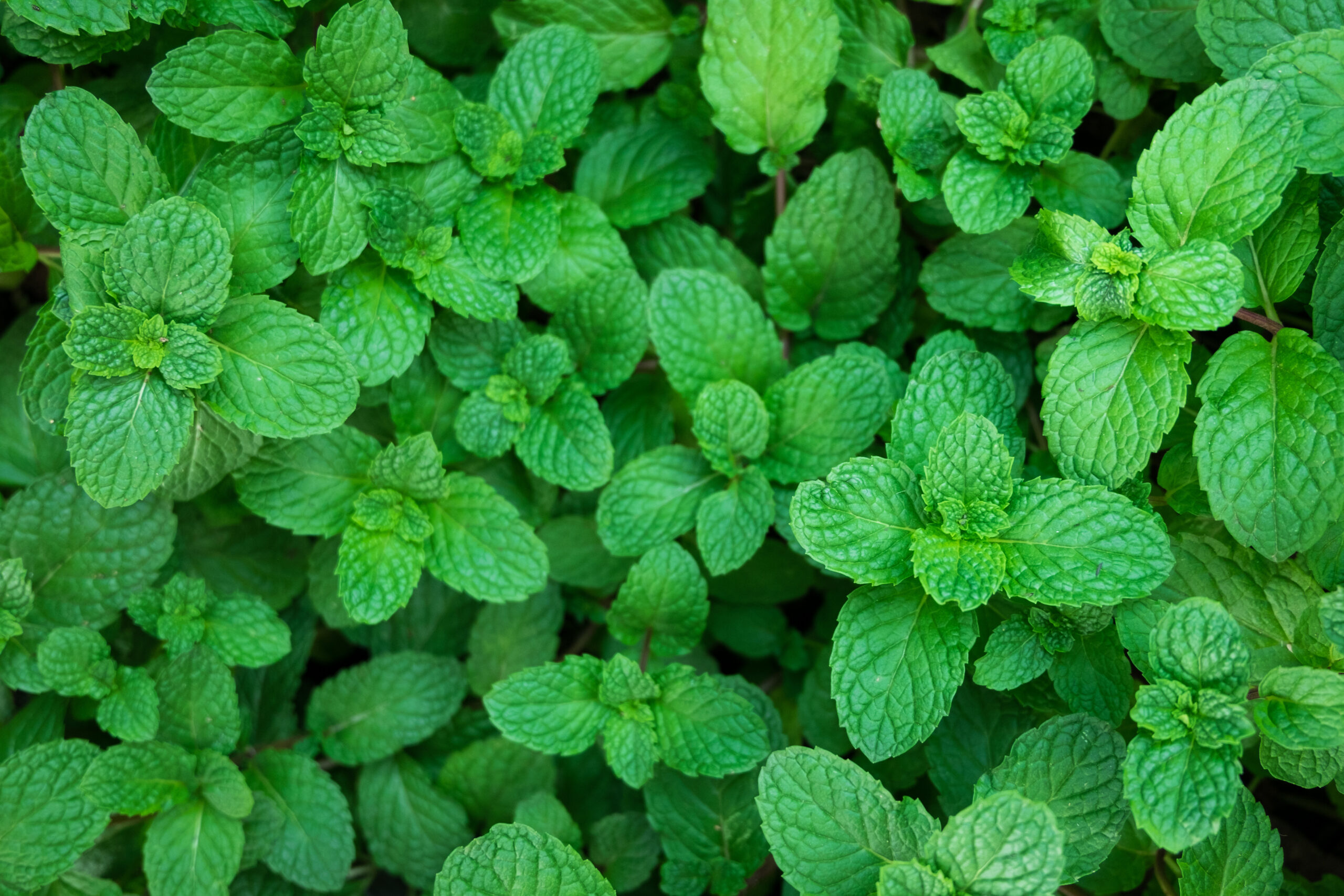
When congestion and pressure are the main problem, people often look toward peppermint, ginger, and elderflower. These herbs are less about itchy eyes and more about that blocked, heavy, can’t-breathe-clearly feeling.
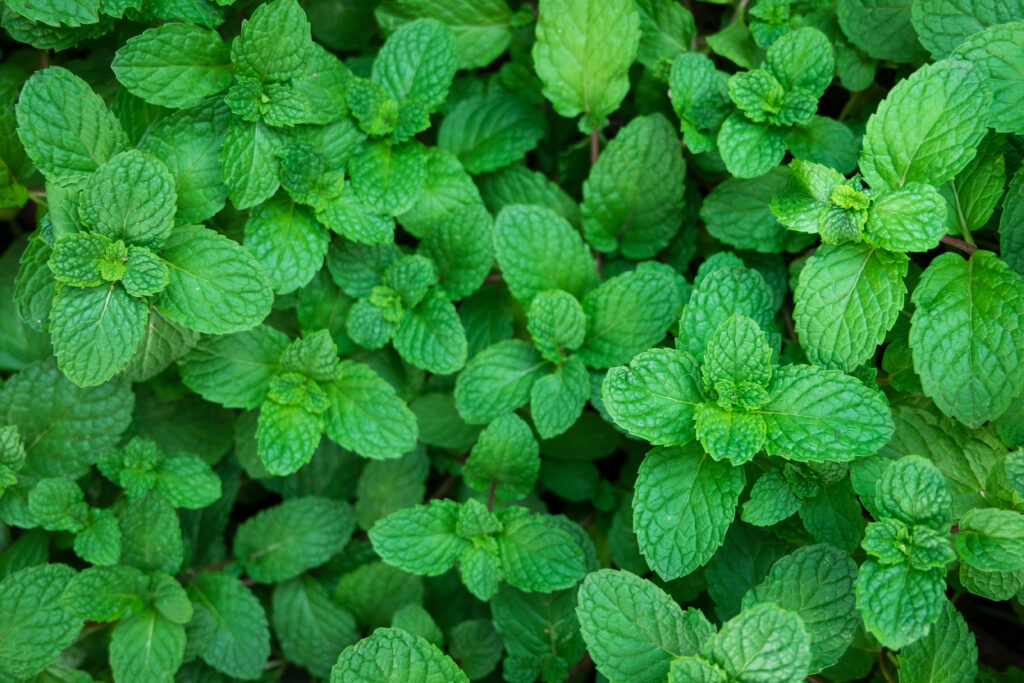
Peppermint is cooling and commonly used as tea or steam support. Ginger brings warmth and is often brewed as tea, added to blends, or taken in capsules. Elderflower has a long history in traditional seasonal-support blends and is usually taken as tea or tincture.
For readers who already enjoy these herbs in a cup, DI Writes has more on peppermint and ginger teas for digestion, which also shows how commonly these plants show up in everyday herbal routines.
Two other herbs deserve a brief mention. Eyebright is a traditional herb for watery, irritated eyes and stuffy upper-airway discomfort, usually taken as tea or tincture. Avoid homemade eye drops, because eye use needs extra safety. Licorice root may soothe irritated tissues and a scratchy throat from postnasal drip, but it can raise blood pressure and isn’t a fit for everyone.
How to choose the right herb based on your allergy symptoms
Choosing herbs gets easier when you stop thinking in plant names and start thinking in symptoms. First, decide what bothers you most. Then pick one herb or one blend that matches that problem.
What may help most with sneezing, runny nose, and itchy eyes
This is the classic seasonal pattern. If pollen turns your face into a faucet, nettle leaf is often the first herb people try. Some also like supportive teas that combine nettle with soothing herbs, especially when symptoms are mild but annoying.
Eyebright may also come up here, mostly for watery eyes and upper-airway irritation. The key is to keep expectations realistic. These herbs may offer support, but they usually work best when you also reduce exposure, shower after outdoor time, and keep windows closed on high-pollen days.
If you’re trying one herb, start low, stay consistent, and track how you feel for several days.
What may help when congestion and sinus pressure are the bigger problem
When your nose feels blocked and your face aches, peppermint, ginger, and elderflower may make more sense. Peppermint feels cooling. Ginger can feel warming and loosening. Elderflower often shows up in blends aimed at sinus comfort.
Saline rinses also matter here, because they work right where the mucus sits. Herbs and saline don’t do the same job, but they can complement each other well.
For people who like aroma support alongside herbal care, DI Writes also covers eucalyptus for respiratory support. That can be useful when stuffiness, not itching, is the main issue.
Safety tips before trying herbs for allergies
Herbs may be natural, but natural doesn’t always mean low-risk. A plant can be gentle for one person and a bad match for another. That’s especially true if you’re pregnant, breastfeeding, managing asthma, or taking medicine every day.
Natural remedies still need safety checks, especially when allergies affect breathing.
When herbs can interact with medicines or health conditions
A few simple examples help. Turmeric may not mix well with blood thinners. Licorice root can raise blood pressure and may interact with blood pressure medicine, diuretics, or steroids. Nettle may affect fluid balance, so it may not suit people on certain kidney-related or blood pressure medicines.
If you have asthma, be extra careful with anything strongly aromatic, because scent and steam can trigger symptoms in some people. If you have a ragweed-family sensitivity, herbs in related plant families, such as butterbur, may need extra caution.
Pregnancy and breastfeeding also change the equation. Some herbs that seem harmless in tea form may not be advised in concentrated capsules or tinctures.
Signs it is time to talk with a healthcare professional
Some symptoms need more than home care. Get medical help if you have wheezing, shortness of breath, facial swelling, or trouble swallowing. Those can signal a serious reaction.
Also reach out if you have fever, severe sinus pain, thick discolored drainage, or symptoms that keep returning or getting worse. Persistent “allergies” can sometimes be something else, such as infection, asthma, or another trigger that needs a proper check.
Emergency symptoms need urgent care, not herbal experiments.
Herbs for allergies can be a helpful part of a simple wellness plan, especially when you match the herb to the symptom. Start with one option, use the form that fits your routine, and keep notes on how you feel. In many cases, gentle support works best alongside smart basics like reducing triggers, rinsing your sinuses, and staying consistent. If you want one more natural wellness read after this, DI Writes also shares top 5 oils for your wellness kit.
Stay Connected for More Natural Living Inspiration
If you enjoyed this post about herbal wellness and love discovering natural ways to refresh your home and wellness, don’t miss out on future recipes and clean-living tips! Subscribe to the blog for weekly DIYs, wellness inspiration, and herbal remedies delivered straight to your inbox.
Don’t forget to visit my LinkTree for the links to my favorite essential oils, herbal teas, natural recipes, YouTube ambiance videos for sleeping; a project I created to help with insomnia symptoms and the second channel, Rooted in Nature YouTube Channel both channels feature herbal recipes for wellness and home.
Thanks for coming by!
Leave a Reply
You must be logged in to post a comment.