(DISCLAIMER: I am not a doctor, and you should consult your healthcare professional before starting any health regimen. Product links are commissioned and supports the blog)
Key Takeaways
- Different herbs do different jobs. Some quiet a busy mind, some loosen physical tension, and some help with sleep.
- Tea is often the easiest starting point because it’s gentle, familiar, and easy to build into an evening routine.
- Match the herb to the moment. Lemon balm suits mental restlessness, while passionflower may fit bedtime better.
- Herbs work best with basics like food, rest, movement, and slower breathing.
- Safety matters if you’re pregnant, breastfeeding, taking medication, or living with long-term symptoms.
- Start with one herb at a time so you can notice what helps and what doesn’t.
If you want a simple place to begin, start here. These are the best-known calming herbs, the easiest ways to use them, two beginner recipes, and the safety tips that matter most.
Your body can be done with the day while your mind still runs laps. The shoulders stay tight, the jaw clenches, and bedtime feels like a room with the lights on.
That’s often when herbs for stress and anxiety come up, not as magic, but as gentle support. Some herbs may help you feel calmer, settle into sleep, or take the edge off tension. Still, they are not a cure for anxiety disorders, and they don’t replace medical care when symptoms are serious.
How herbs may help when stress and anxiety show up in daily life
Stress is part of being human. A hard week, poor sleep, work pressure, or family strain can leave your nerves buzzing. Ongoing anxiety feels different. It sticks around, shows up often, and can start to shape your days.
Herbs can fit into that picture as steady support. They may help smooth the edges of a tense afternoon or help your body settle at night. Still, they tend to work best alongside solid basics, such as regular meals, movement, rest, and slow breathing.
Stress, anxious feelings, and when herbal support makes sense
Mild stress often shows up in ordinary ways. You might notice racing thoughts, irritability, tense muscles, poor sleep, or an upset stomach before a busy event. Those moments can feel loud, even when the cause seems small.
That’s where herbs often make sense. They fit best when you want everyday support, not a full medical answer. Think of them like soft lighting in a harsh room. They can change the feel of the space, even if they don’t remove every problem.
What herbs can do, and what they cannot do
Calming herbs may help promote relaxation, better sleep, or a more settled mood. Some people notice a quieter mind. Others feel their body soften first, then the mind follows.
Think of herbs as a hand on your shoulder, not a switch that turns anxiety off.
They do not replace therapy, medication, or urgent care. If you have panic attacks, severe anxiety, depression, sudden changes in mood, or symptoms that disrupt daily life, reach out to a healthcare professional.
The best herbs for stress and anxiety, and how each one works
Chamomile for gentle calm and evening ease
Chamomile is often the first herb people try, and for good reason. It has a soft, apple-like floral taste and a long history as an evening tea. Many people reach for it when the day has felt sharp and they want a gentler landing.
It’s best known for mild relaxation and bedtime support. A warm cup can feel like a signal to the body that the hard part of the day is over. Tea is the most common form, although you’ll also see tinctures and capsules.
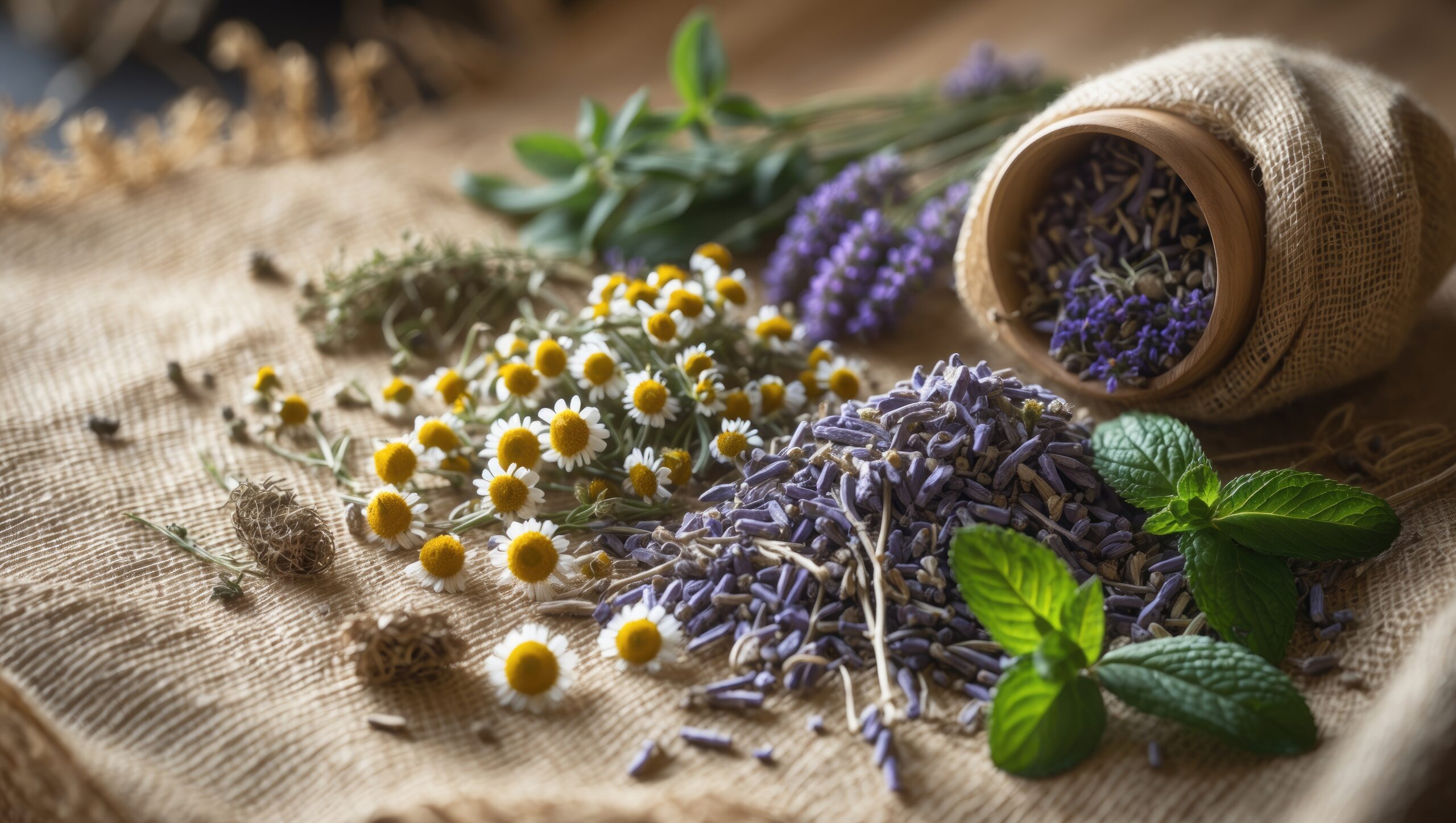
Because chamomile is mild, it suits beginners well. It also blends beautifully with lemon balm or lavender. Still, people with a ragweed allergy should use caution, since chamomile may bother them too.
Lemon balm for a busy, restless mind
Lemon balm often shines when stress feels mental. If your thoughts keep circling or your focus jumps from one worry to the next, this herb may feel like a softer pace. It has a bright, lemony flavor that tastes fresh rather than sleepy.
Many people use lemon balm as tea, though tinctures are common too. It can work well in the late afternoon, when you want calm without feeling knocked out. That makes it a good choice for people who want support before dinner, after work, or during a tense stretch of the day.
It also pairs well with other calming herbs. For example, blend it with chamomile for a light evening tea or with lavender for a more fragrant cup.
Lavender for tension, mood, and better rest
Lavender has a wide reputation, and not only in aromatherapy. As an herb, it can be sipped as tea, added in small amounts to blends, or used in tincture form. Its scent is famous, but its herbal role matters too.
This herb may help when stress lands in the body first. Tight shoulders, irritability, and that feeling of being wound too tight often fit lavender well. The taste can be strong, though, a little floral and slightly bitter, so many people prefer it as part of a blend rather than alone.
If you love the scent of lavender in the evening, that can deepen the ritual. A cup of lavender-chamomile tea and a few quiet minutes can help the body shift gears before bed.
Passionflower for racing thoughts and sleep support
Passionflower is often chosen when the mind refuses to slow down at night. It tends to feel stronger than chamomile or lemon balm, which is why many people save it for evening use. When thoughts keep stacking up at bedtime, passionflower may help create space between them.
Tea and tincture are the forms people use most often. The tea tastes earthy and slightly grassy, so some prefer to mix it with chamomile or lemon balm. A tincture may be easier if you don’t enjoy the flavor.
Because it can feel more sedating, daytime use doesn’t suit everyone. If you’re new to it, try it when you’re home for the evening and can notice how your body responds.
Ashwagandha for longer seasons of stress
Ashwagandha is a little different from the herbs above. Instead of feeling like a quick comfort in a mug, it’s more often used for longer periods of stress. People often choose it when life has felt heavy for weeks or months, not only after one rough day.
You’ll usually find it in capsules, powders, or tinctures. Some people stir the powder into warm milk or a non-dairy drink, though the taste can be earthy and strong. Capsules are often the easiest form for those who want less fuss.
This herb may not fit everyone. Use caution if you’re pregnant, have thyroid issues, or take certain medications. If that applies to you, check with a healthcare professional before adding it to your routine.
Simple ways to use calming herbs at home
Tea, tincture, or capsule, how to pick the form that fits your day
Tea is often the best place to start. It’s gentle, easy to make, and turns herbal support into a small ritual. The warmth, scent, and pause all matter. Sometimes the cup helps almost as much as the herb.
Tinctures are more direct and more convenient. A few drops in water can fit into a busy afternoon or travel well in a bag. They’re useful when you want herbal support without boiling water or waiting for a steep.
Capsules work for people who don’t enjoy herbal tastes. They also make it easier to stay consistent with herbs like ashwagandha. On the other hand, they don’t give you the sensory comfort of tea, and that comfort can be part of why calming herbs feel helpful.
Two easy herbal recipes for calm evenings and tense afternoons
You don’t need a crowded shelf to make herbs part of daily life. Start simple, keep the blend light, and notice how it feels.
Calm Evening Tea
Use 1 teaspoon chamomile, 1 teaspoon lemon balm, and 1/4 teaspoon lavender. Pour 8 to 10 ounces of hot water over the herbs. Cover and steep for 8 minutes, then strain.
The flavor is soft, floral, and lightly lemony. Drink it after dinner or while you dim the lights for the night. If you like, add a small spoon of honey.
Bedtime Quiet Tea
Use 1 1/2 teaspoons chamomile and 1 teaspoon passionflower. Add hot water, cover, and steep for 10 minutes. Strain and sip slowly about 30 to 60 minutes before bed.
This blend is stronger and suits nights when your thoughts feel loud. If the taste feels earthy, add a little lemon balm or a thin slice of apple while it steeps. Keep the rest of the evening calm, since the tea works best when the room, the screen, and the pace all soften too.
Safety tips before you make herbs part of your routine
When to check with a healthcare professional first
Some herbs can interact with medicines or medical conditions. Check first if you take anxiety medication, sleep aids, thyroid medicine, or blood pressure medicine. The same goes for any chronic health condition.
Pregnancy and breastfeeding call for extra care. Also, if you have plant allergies, pay close attention, especially with chamomile and related plants. Since some calming herbs may cause drowsiness, use extra caution before driving or mixing them with alcohol or sedating medicine.
If symptoms feel severe, sudden, or hard to manage, get help. Herbal support is for mild, everyday stress, not crisis care.
How to start slow and track what helps
Begin with one herb, not three or four at once. A small amount gives you room to notice both the benefits and the downsides. That makes it easier to learn what your body likes.
Keep a simple note for a week. Write down the herb, the time you took it, your mood, your sleep, and any side effects. Patterns often show up fast. If something makes you groggy, restless, or gives you stomach upset, stop and reassess.
Consistency matters more than overdoing it. A modest cup of tea each evening often tells you more than a large dose taken in a rush.
Your best herbs for stress and anxiety depend on what you need most. You might want gentle daytime calm, help with body tension, or a quieter path into sleep.
Start small and keep it simple. One herb, one cup, one steady habit can do more than a crowded routine. Over time, that nightly mug can become a small act of care, the kind that tells your body it’s safe to let go of the day.
Stay Connected for More Natural Living Inspiration
If you enjoyed this post about herbal wellness and love discovering natural ways to refresh your home and wellness, don’t miss out on future recipes and clean-living tips! Subscribe to the blog for weekly DIYs, wellness inspiration, and herbal remedies delivered straight to your inbox.
Don’t forget to visit my LinkTree for the links to my favorite essential oils, herbal teas, natural recipes, YouTube ambiance videos for sleeping; a project I created to help with insomnia symptoms and the second channel, Rooted in Nature YouTube Channel both channels feature herbal recipes for wellness and home. And if you’re interested in essential oils along with herbal teas, feel free to visit my other websiteDI Writes and Blogs.
Thanks for coming by!
Leave a Reply
You must be logged in to post a comment.