(DISCLAIMER: I am not a doctor, and you should consult your healthcare professional before starting any health regimen. Product links are commissioned and supports the blog)
Key Takeaways
- Dandelion root, parsley, ginger, turmeric, and cornsilk are common herbs used for kidney support.
- Most evidence is mixed and limited, with much of it based on traditional use, animal studies, or small human trials.
- Herbal teas are one of the simplest ways to try these herbs for general wellness.
- Herbs may support urine flow, fluid balance, and inflammation control, but they do not “clean” kidneys in a magical way.
- Water, balanced meals, and lower sodium intake still matter more than any single herb.
- Some herbs may be risky for people with chronic kidney disease, especially nettle, parsley root, horsetail, and uva ursi.
- Check with a doctor before using kidney herbs if you’re pregnant, taking medicines, or managing CKD.
A warm herbal tea can feel like a soft reset, especially when you’re trying to support your body in simple ways. Many people look for herbs for kidneys because they want gentle help with fluid balance, everyday wellness, or mild puffiness.
Still, kidneys are not casual organs. They filter waste, balance fluids, and help manage key minerals, so herbs need the same respect as any other health tool. Some plants may support normal kidney function, but they do not cure kidney disease.
This guide keeps things practical and honest. You’ll find the main takeaways, the herbs most often used for kidney support, easy tea recipes, and the safety notes that matter most.
How certain herbs may support kidney health
Herbs often support the kidneys in indirect ways. Some may encourage urine flow. Others may help the body handle oxidative stress or calm low-grade inflammation. Those effects can support overall kidney wellness, but they are not the same as treating disease.
As of 2026, research on kidney herbs is still limited. Reviews and small studies suggest some promise, especially for turmeric and a few traditional plants. However, large, high-quality human trials are still thin. That matters because kidneys are sensitive, and what helps one person may strain another.
The safest way to think about herbs is this: they may offer gentle support when your kidneys are already healthy, and when the rest of your routine makes sense too. Good hydration, enough sleep, regular meals, and medical care still do the heavy lifting.
Support for fluid balance and urine flow
Some kidney herbs are popular because they may act as mild diuretics. In plain terms, they can help the body pass a bit more urine. That appeals to people dealing with mild water retention or that swollen, heavy feeling after salty meals.
Still, more urine is not always better. If you’re dehydrated, sick, or living with kidney disease, pushing fluid out can backfire. The same goes for people already taking water pills or blood pressure medicine.
Support from antioxidants and anti-inflammatory compounds
Other herbs get attention because they contain plant compounds that may help lower oxidative stress and inflammation. Ginger and turmeric fit here. They are better known for soothing whole-body inflammation than for acting directly on the kidneys.
That distinction matters. A calmer inflammatory load may help the body overall, including the kidneys, but that is different from saying an herb “cleanses” them. Gentle support is a fair claim. A cure is not.
The best-known herbs for kidneys, and what each one is used for
Many kidney herbs come from two traditions at once: folk use and modern wellness. People brew them into teas, stir them into broths, or use them in short seasonal routines. The key is to keep your expectations grounded and your doses modest.
Dandelion root and parsley for gentle daily support
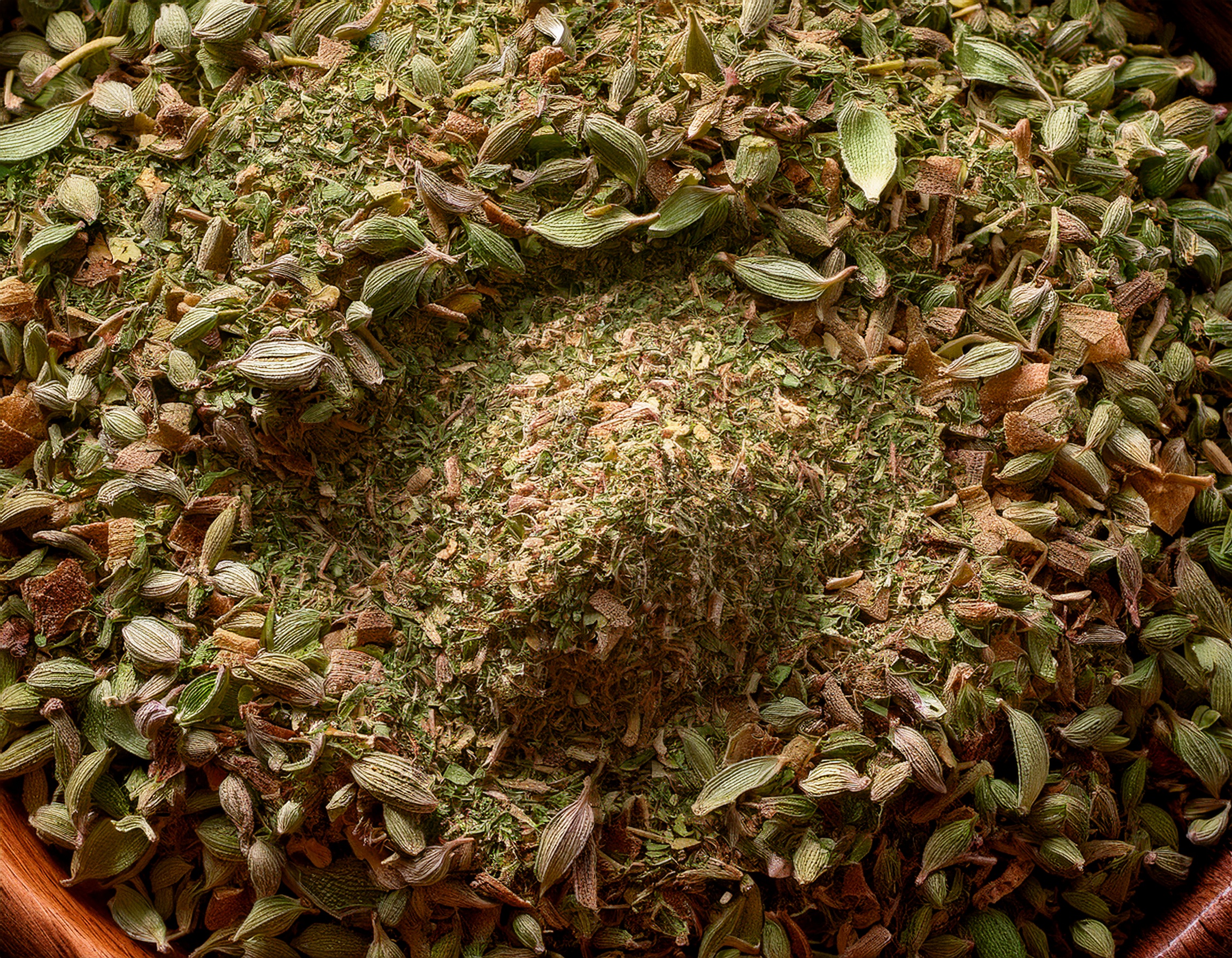
Dandelion root is one of the best-known herbs for gentle kidney support. People often drink it as a tea when they want mild diuretic action and better fluid balance. Its taste is earthy and slightly bitter, like a field after rain. Some early research and traditional use point to anti-inflammatory effects too, though strong human evidence is still limited.
Parsley has a brighter profile. It is often used in food, fresh tea, or simple herbal blends. In wellness circles, parsley is linked with urine flow and waste removal. It also brings antioxidants, which may help support general health.
Both herbs fit best into light, short-term use. A cup of tea or a food-based amount is a different thing than strong extracts taken every day.
Safety matters here. Dandelion and parsley may not be a good match if you take diuretics, blood pressure medicine, or have kidney disease. Parsley root is often listed as a concern for people with CKD, and even leaf-based preparations deserve caution in that group.
Ginger and turmeric for inflammation support
Ginger and turmeric live in many kitchens, so they feel familiar and easy to use. That makes them appealing for people who want support without buying a shelf full of supplements.
Ginger is often used for warmth, circulation, and stomach comfort. For kidney wellness, its main appeal is anti-inflammatory support. Fresh ginger in tea has a clean heat that can make a simple cup feel more comforting.
Turmeric is known for curcumin, a compound studied for antioxidant and anti-inflammatory effects. Some small studies and reviews suggest turmeric may help lower oxidative stress and, in some cases, reduce protein loss in urine. Even so, this is not proof that turmeric treats kidney disease. It is better viewed as a useful food herb with possible added support.
Black pepper is often paired with turmeric in recipes because it may improve curcumin absorption. That said, more is not always better. Strong turmeric supplements can be too much for some people, especially if they take blood thinners or manage gallbladder issues. Tea or food use is usually the gentler path.
Cornsilk and other traditional herbs used with caution
Cornsilk, the silky threads under a corn husk, has a long history in traditional herbal use. People often brew it as a mild tea for urinary tract comfort and fluid balance. It is usually viewed as one of the gentler options, though human research is still sparse.
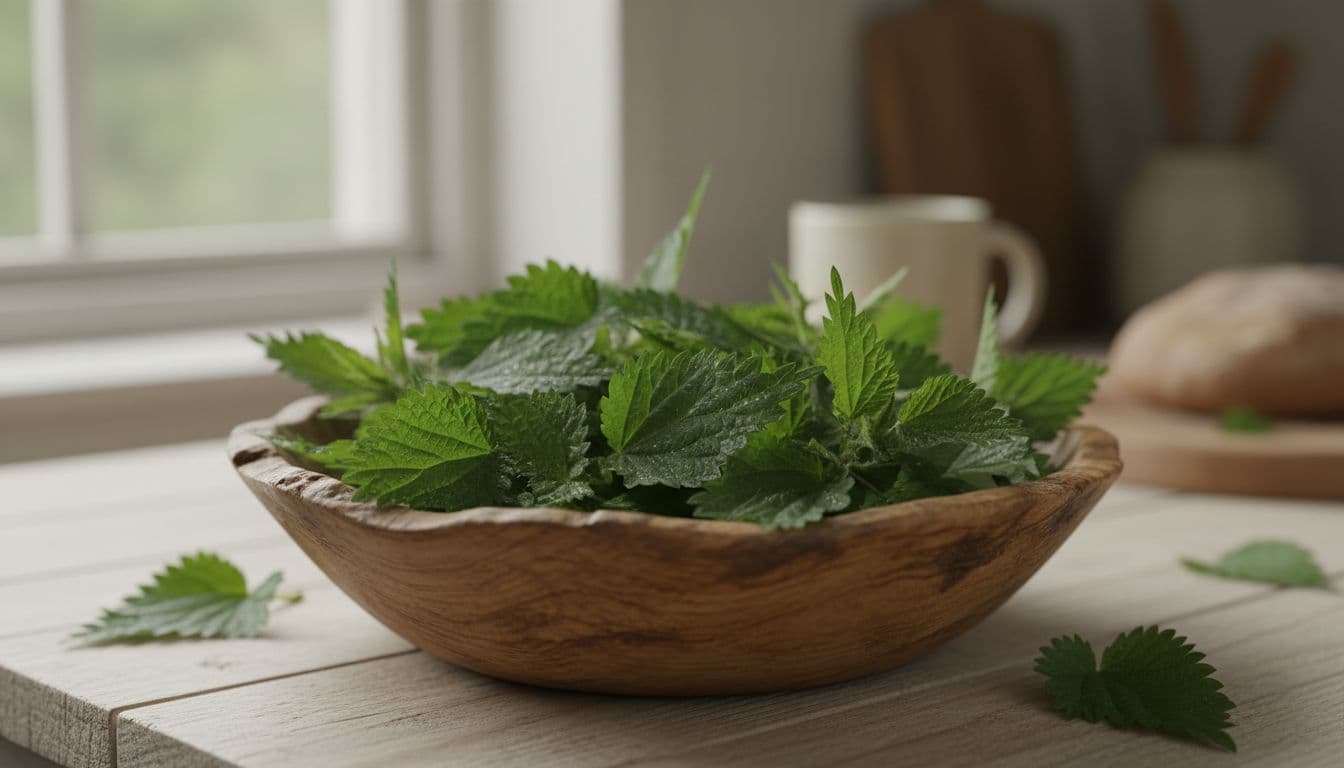
Nettle is another herb people often mention for kidneys. Some studies suggest it may help with inflammation and markers tied to kidney stress. Yet nettle can be a poor choice for people with CKD because of potassium concerns and possible strain on already damaged kidneys.
Chanca piedra also comes up often, especially in conversations about kidney stones. Small studies suggest it may help support stone-related urinary health and improve some kidney markers. Still, it is not right for everyone, and self-treating stone pain at home can be risky.
A few other herbs deserve extra caution. Kidney health groups often warn people with CKD about horsetail, uva ursi, astragalus, and parsley root. The risk depends on the herb, the dose, your health, and your medicines. That is why kidney herbs should never become a home experiment when symptoms are serious.
Herbal support works best in the shallow end, with light teas and short-term use, not in high-dose supplement form.
Easy herbal tea recipes for kidney support
Tea is one of the easiest ways to try herbs for general kidney wellness. It is simple, familiar, and usually gentler than capsules or tinctures. For most people, that makes it the best starting point.
Use one herb or a mild blend first, and keep the routine short unless a qualified practitioner advises otherwise. A week or two may be plenty for general wellness use.
Simple dandelion root tea
This tea is earthy, warming, and easy to make.
What you need
- 1 to 2 teaspoons dried dandelion root
- 8 ounces water
How to make it
- Add the dried dandelion root to a small pot with water.
- Bring it to a light simmer.
- Simmer for about 10 minutes.
- Strain into a mug.
- Drink warm.
Some people add a thin slice of fresh ginger during the simmer for extra warmth and a softer finish. If the flavor feels too bitter, try a shorter simmer the next time.
Parsley, ginger, and turmeric tea blend
This blend has a garden-fresh note from parsley, then a warm, earthy base from ginger and turmeric. A small pinch of black pepper can round it out.
What you need
- 1 tablespoon fresh parsley, chopped, or 1 teaspoon dried parsley
- 1/2 teaspoon dried ginger, or 3 thin slices fresh ginger
- 1/2 teaspoon turmeric powder, or a few thin slices fresh turmeric
- 2 cups water
- A tiny pinch of black pepper, optional
How to make it
- Put the water in a small pot.
- Add the parsley, ginger, turmeric, and black pepper if using.
- Bring to a gentle simmer.
- Simmer for 8 to 10 minutes.
- Strain and sip warm.
The flavor is earthy and warm, with a bright herbal note from the parsley. If you want a lighter cup, use less turmeric at first.
These teas are meant for general wellness. They are not treatment plans, and they are not a good substitute for care if you have pain, fever, swelling, or changes in urination.
Who should be careful with kidney herbs
Kidneys do a quiet, exact job all day. They filter blood, manage waste, and help balance fluids and minerals. Because of that, herbs can hit harder than people expect.
If you have chronic kidney disease, pause before trying any kidney herb. The same goes for pregnancy, dehydration, and anyone taking blood pressure medicine, diuretics, diabetes drugs, or blood thinners. An herb that seems harmless in tea form can still change fluid levels, blood pressure, or how your body handles medicine.
This caution is not meant to scare you. It is meant to protect you. Kidney symptoms can look small at first, then grow fast.
Herbs that may be risky for people with kidney disease
People with CKD often need extra care with herbs because mineral balance becomes more fragile. Herbs that may be risky include nettle, astragalus, horsetail, uva ursi, parsley root, and, in some cases, chanca piedra.
The concern is not always the same. One herb may raise potassium risk. Another may irritate the kidneys or clash with medicine. Dose matters too, which is why tea and capsules are not equal.
If you have kidney disease, choosing herbs should be a medical conversation, not a self-test.
Simple safety rules before you brew a cup
A few basic rules can keep herbal tea in the safe zone.
Start with one herb at a time so you know how your body reacts. Choose tea over strong extracts when possible. Use short-term amounts, not endless daily use. Buy herbs from trusted sellers with clear labels.
Then pay attention. Stop if you feel worse, become dizzy, notice swelling, or feel unusually dry. Get medical care right away if you have back pain, blood in urine, fever, major changes in urination, or sudden swelling in the face, hands, or feet.
Herbs can be part of a calm routine, but they should never talk you out of real care.
Warm tea can be a kind habit, and some herbs may offer light support for normal kidney wellness. Still, the bigger picture matters more: enough water, balanced food, lower sodium, and prompt care when symptoms show up.
The strongest takeaway is simple. Herbs for kidneys work best as gentle support, not as a fix for disease. If your body is sending clear warning signs, listen early and treat that tea cup as a companion, not the whole plan.
Stay Connected for More Natural Living Inspiration
If you enjoyed this post about herbal wellness and love discovering natural ways to refresh your home and wellness, don’t miss out on future recipes and clean-living tips! Subscribe to the blog for weekly DIYs, wellness inspiration, and herbal remedies delivered straight to your inbox.
Don’t forget to visit my LinkTree for the links to my favorite essential oils, herbal teas, natural recipes, YouTube ambiance videos for sleeping; a project I created to help with insomnia symptoms and the second channel, Rooted in Nature YouTube Channel both channels feature herbal recipes for wellness and home.
Thanks for coming by!
Leave a Reply
You must be logged in to post a comment.