(DISCLAIMER: I am not a doctor, and you should consult your healthcare professional before starting any health regimen. Product links are commissioned and supports the blog)
Key Takeaways
- Basil tastes sweet, peppery, and a little clove-like, with a fresh green scent.
- Sweet basil is common, but Thai, lemon, and holy basil each have their own place.
- Basil grows best in warmth, sun, and soil that drains well.
- Frequent pinching helps basil stay bushy instead of tall and weak.
- Fresh basil works in pesto, salads, soups, drinks, and simple herbal tea.
- Store basil gently, because cold and excess moisture can turn leaves black.
- Basil can support daily wellness routines, but it’s not a replacement for medical care.
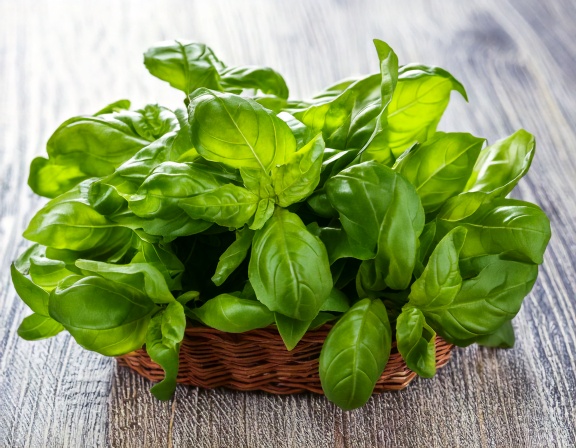
Brush a basil leaf between your fingers and the whole room seems to wake up. The scent is green, sweet, and a little spicy, like summer packed into one soft leaf.
That’s why basil stays close in so many kitchens. It tastes bright, grows well in small spaces, and slips easily into simple routines, from dinner prep to a warm evening tea. It matters far beyond pasta and pesto.
If you want a practical, cozy guide to basil, you’re in the right place. Let’s get into what basil is, how to grow it with less fuss, gentle wellness uses, smart storage, and a few easy recipes you can make this week.
What basil herb is, and why so many people keep it close
Basil is a tender, leafy herb in the mint family. It’s easy to recognize by its soft leaves, fresh scent, and way of making plain food taste alive. You’ll see it in kitchen gardens, grocery bundles, windowsill pots, and summer farmers markets.
People love basil because it feels both useful and comforting. One handful can freshen a whole meal. One small pot can make a kitchen feel greener and calmer.
It also comes in many forms. Some basil types suit pasta and tomato sauce. Others shine in tea, stir-fries, or gentle home wellness habits. You don’t need to know the science of every variety to enjoy it. You only need to know what kind fits your table.
The flavor, scent, and feel of fresh basil
Fresh basil tastes sweet at first, then lightly peppery. Some people notice a faint clove note too. Its aroma is stronger than its bite, which is part of the charm.
The leaves feel tender and cool, almost silky when young. Tear them, and the scent rises fast. It’s the kind of herb that announces itself before it reaches the plate.
Dried basil has its place, especially in long-cooked sauces and soups. Still, it tastes flatter and less lively than fresh basil. Fresh leaves are best when you want brightness. Dried basil works better when you need a background note.
Popular basil types to know before you buy or plant
Sweet basil is the one most people know. It’s the classic choice for pesto, pasta, pizza, and caprese salad.
Thai basil has firmer leaves and a sharper, spiced flavor. It holds up well in stir-fries, curries, and noodle dishes.
Lemon basil carries a clean citrus note. It’s lovely in tea, cold drinks, fruit salads, and light summer dishes.
Holy basil, often called tulsi, is less about pesto and more about tea and traditional wellness use. Its flavor is deeper and more herbal. It’s often sipped rather than tossed into pasta.
How to grow basil herb at home without much fuss
Basil is one of the friendliest herbs for beginners. Give it warmth, light, and a bit of attention, and it usually rewards you fast. You don’t need a big yard either. A pot on a porch, a raised bed, or a sunny kitchen window can work well.
The biggest secret is simple. Basil likes steady care, not constant fussing. Think of it like a houseguest who wants sunshine, a drink now and then, and room to stretch.
The sunlight, soil, and watering basil needs most
Basil loves warmth. It grows best when days are sunny and nights stay mild. Aim for at least six hours of sun, though more is often better.
Use loose, well-drained soil. If the roots sit in water, the plant can sulk, yellow, or rot. Pots need drainage holes. Garden beds need soil that doesn’t stay soggy after rain.
Water when the top inch of soil feels dry. Then water deeply, not lightly. That helps roots grow down instead of hanging near the surface. However, don’t keep the soil wet all the time. Basil hates swampy feet.
Cold slows basil down fast. A chilly windowsill, cold draft, or spring night can stunt growth. If temperatures dip, move potted basil inside or wait before planting outdoors.
Common mistakes are easy to fix. Too little light makes basil leggy. Too much water weakens it. Crowding plants also cuts airflow, so leaves stay damp longer.
How to harvest basil so it keeps growing back
Harvesting basil the right way makes the plant fuller. Instead of picking random large leaves from the bottom, pinch stems just above a pair of leaf sets. New side shoots grow from that spot, and the plant becomes bushier.
Start once the plant is about 6 to 8 inches tall. Take a little at a time and harvest often. Regular cutting tells basil to keep producing.
Remove flower buds when you see them. Once basil flowers, the leaves can turn smaller and less sweet. Pinching off buds helps the plant focus on leaf growth.
Avoid two mistakes. First, don’t cut too low on a young plant. Second, don’t remove more than about one-third at once. A harsh haircut can slow recovery.
Pinch often, cut above leaf pairs, and basil will keep giving back.
Simple ways to use basil herb for cooking and everyday wellness
Basil earns its keep in the kitchen, but it also fits gentle daily rituals. Its scent alone can soften the edge of a busy day. That makes it a favorite for people who enjoy herbs as part of a calm home life.
Still, it helps to keep things balanced. Basil can be a soothing part of a routine, not a cure-all. Think comfort, flavor, and light support.
Easy ways to add fresh basil to meals
Fresh basil loves simple food. Toss torn leaves into salads, layer them into sandwiches, or scatter them over pasta right before serving. The later you add basil, the brighter it tastes.
That timing matters. Long heat can dull basil’s fresh edge. In soups and sauces, stir it in near the end. In pizza or roasted vegetables, add it after cooking when you can.
Pesto is the obvious favorite, and for good reason. Basil also works in tomato soup, grilled cheese, grain bowls, eggs, and infused vinegar. A few leaves in sparkling water or a citrus mocktail can taste like a garden breeze.
If you enjoy herbal drinks, basil can also join your tea shelf. For more cozy ideas, these 10 soothing herbal teas for anxiety offer gentle inspiration for calm evening cups.
Gentle wellness uses that make basil feel useful beyond the plate
A warm cup of basil tea is one of the simplest uses. Fresh basil steeped in hot water gives off a comforting aroma and a mild herbal taste. It’s not fancy, but it feels grounding.
Warm basil water can also add a soft, pleasant steam to the air. That scent can feel cozy when you need a quiet reset. Even tending a small basil pot indoors can help anchor a routine. Watering, pinching, and smelling the leaves can turn into a small daily pause.
Holy basil often gets extra attention in wellness circles. Even so, strong extracts, capsules, and heavy medicinal use call for more care than casual kitchen use.
If you’re pregnant, nursing, taking medications, or managing a health condition, talk with a qualified healthcare professional before using holy basil supplements or concentrated products. Food use and mild tea are one thing. Strong herbal products are another.
How to store basil and keep it fresh longer
Basil bruises easily and dislikes rough treatment. That’s why it often turns black or limp faster than people expect. It isn’t like rosemary or thyme, which can handle the cold better.
The goal is to protect basil from chill, trapped moisture, and hard handling. When you treat it more like a bouquet than a sturdy herb, it lasts longer.
The best way to keep fresh basil from turning black
For short-term storage, place basil stems in a jar with a little water, like fresh flowers. Keep it at room temperature and loosely cover the top with a light plastic bag if your kitchen is dry.
This method works well for fresh bunches you’ll use within a few days. Change the water if it gets cloudy.
Refrigeration can help in some homes, but it can also darken leaves fast if the basil gets too cold. If you do chill it, wrap the leaves gently in a barely damp paper towel and place them in a loose bag. Don’t crush them.
Wash basil only when you need it. Wet leaves spoil faster. When you do rinse them, pat them dry softly instead of rubbing.
Smart ways to preserve basil for later
Freezing is the easiest long-term option. Chop basil and freeze it in olive oil or water using an ice cube tray. Then drop a cube into soup, sauce, or sautéed vegetables later.
You can also make pesto and freeze small portions. That keeps more of basil’s fresh taste than drying does.
Drying works, but be honest about the result. Dried basil is useful, though it loses much of the bright scent that makes fresh basil special. If you dry it, store it in a sealed jar away from heat and light.
Easy basil recipes readers can actually make this week
Basil doesn’t need a dinner party. It works best in low-stress recipes you can make on a Tuesday with what’s already in the kitchen.
These two ideas keep things simple, fragrant, and easy to repeat.
Fresh basil pesto with a few pantry basics
Add a few big handfuls of fresh basil to a food processor. Toss in one garlic clove, a small handful of nuts or seeds, a pinch of salt, and enough olive oil to help it blend. Then add grated Parmesan, or use nutritional yeast for a dairy-free version.
Blend until spoonable. If it feels too thick, add a little more oil. If it tastes flat, add a squeeze of lemon.
Use it on pasta, spread it on toast, swirl it into soup, or spoon it over roasted vegetables. You can also thin it with more oil for a quick dressing.
A soothing basil tea or basil lemonade for warm days
For basil tea, steep 6 to 8 fresh leaves, or 1 teaspoon dried basil, in hot water for about 5 to 8 minutes. Strain, then add lemon or honey if you like. Lemon basil makes this especially bright.
For basil lemonade, muddle a small handful of fresh basil leaves with a little sugar or honey. Add lemon juice, cold water, and ice. Let it sit for a few minutes so the flavor opens up. The taste is clean, green, and slightly sweet, like summer in a glass.
Basil doesn’t ask for much, yet it gives a lot back. A sunny pot, a quick pinch of leaves, or a warm mug of tea can bring color, scent, and comfort to an ordinary day.
That’s the real beauty of basil. It’s simple, useful, and easy to enjoy without turning it into a project.
Start with one small step this week, plant a pot, steep a few leaves, or blend a quick pesto. Then let curiosity guide the rest, with care, common sense, and an open kitchen window.
Stay Connected for More Natural Living Inspiration
If you enjoyed this post about herbal wellness and love discovering natural ways to refresh your home and wellness, don’t miss out on future recipes and clean-living tips! Subscribe to the blog for weekly DIYs, wellness inspiration, and herbal remedies delivered straight to your inbox.
Don’t forget to visit my LinkTree for the links to my favorite essential oils, herbal teas, natural recipes, YouTube ambiance videos for sleeping; a project I created to help with insomnia symptoms and the second channel, Rooted in Nature YouTube Channel both channels feature herbal recipes for wellness and home. And if you’re interested in essential oils along with herbal teas, feel free to visit my other website DI Writes and Blogs.
Thanks for coming by!
Leave a Reply
You must be logged in to post a comment.