
(DISCLAIMER: I am not a doctor, and you should consult your healthcare professional before starting any health regimen. Product links are commissioned and supports the blog)
Key Takeaways:
- Chamomile tea may calm mild stomach irritation, but it does notcure gastritis.
- Start with one small cup and watch how your body reacts.
- Use one tea bag or 1 to 2 teaspoons of dried flowers per cup.
- Steep it for 5 to 10 minutes, then drink it warm, not hot.
- Avoid it if you have ragweed or daisy-family allergies, or if it clashes with your medicines.
- Get medical help for severe pain, black stools, vomiting, or symptoms that keep coming back.
A sore, tight stomach can make even a small meal feel like a gamble. That is one reason chamomile tea shows up so often in home remedies for upset stomachs and mild gastritis discomfort.
Its appeal is simple. The tea is warm, mild, and easy to sip when your stomach feels raw. This guide covers how it may help, how to brew it, when to avoid it, and how to use it with care.
Why chamomile may help calm an irritated stomach
Chamomile has a long history as a gentle herbal tea. People often reach for it when their stomach feels uneasy, bloated, or tense. Its soft flavor and light feel can make it easier to tolerate than strong drinks or greasy snacks.

The evidence is limited, so it helps to keep expectations realistic. Chamomile may bring comfort, but it works best as part of a gentle routine. If your gastritis symptoms are frequent or severe, tea alone is not enough.
The calming compounds people talk about
Chamomile contains plant compounds that may help explain its soothing reputation. These include antioxidants and natural substances linked with a mild anti-inflammatory effect. That does not mean the tea fixes stomach inflammation, but it may help the body feel less on edge.
For many people, that is the point. A warm cup can feel like a small pause in a rough day.
Why warm tea can feel easier on the stomach
Warm drinks often sit better than cold ones when your stomach is sensitive. Steam rises from the cup, the tea cools a little between sips, and the pace slows down naturally. That gentle rhythm matters.
Compared with coffee, alcohol, soda, or spicy food, chamomile feels calm. It does not hit the stomach with much force. Sometimes that simple difference is enough to make a flare-up feel less sharp.
How to make chamomile tea for gastritis relief at home
A basic cup takes only a few minutes. You can use a tea bag or loose dried flowers. Either one works well when you want something plain and mild.
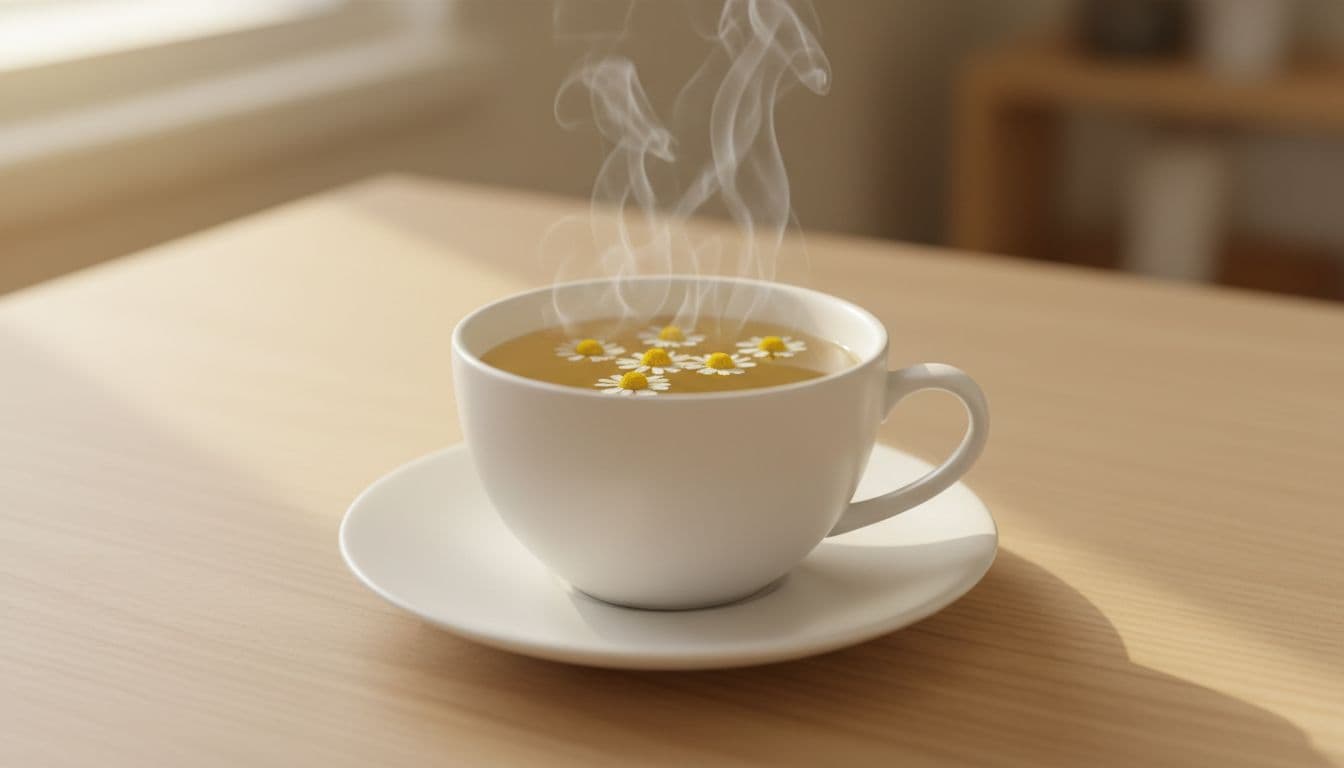
A simple soothing cup recipe
- Heat 1 cup of water until it is hot, but not boiling hard.
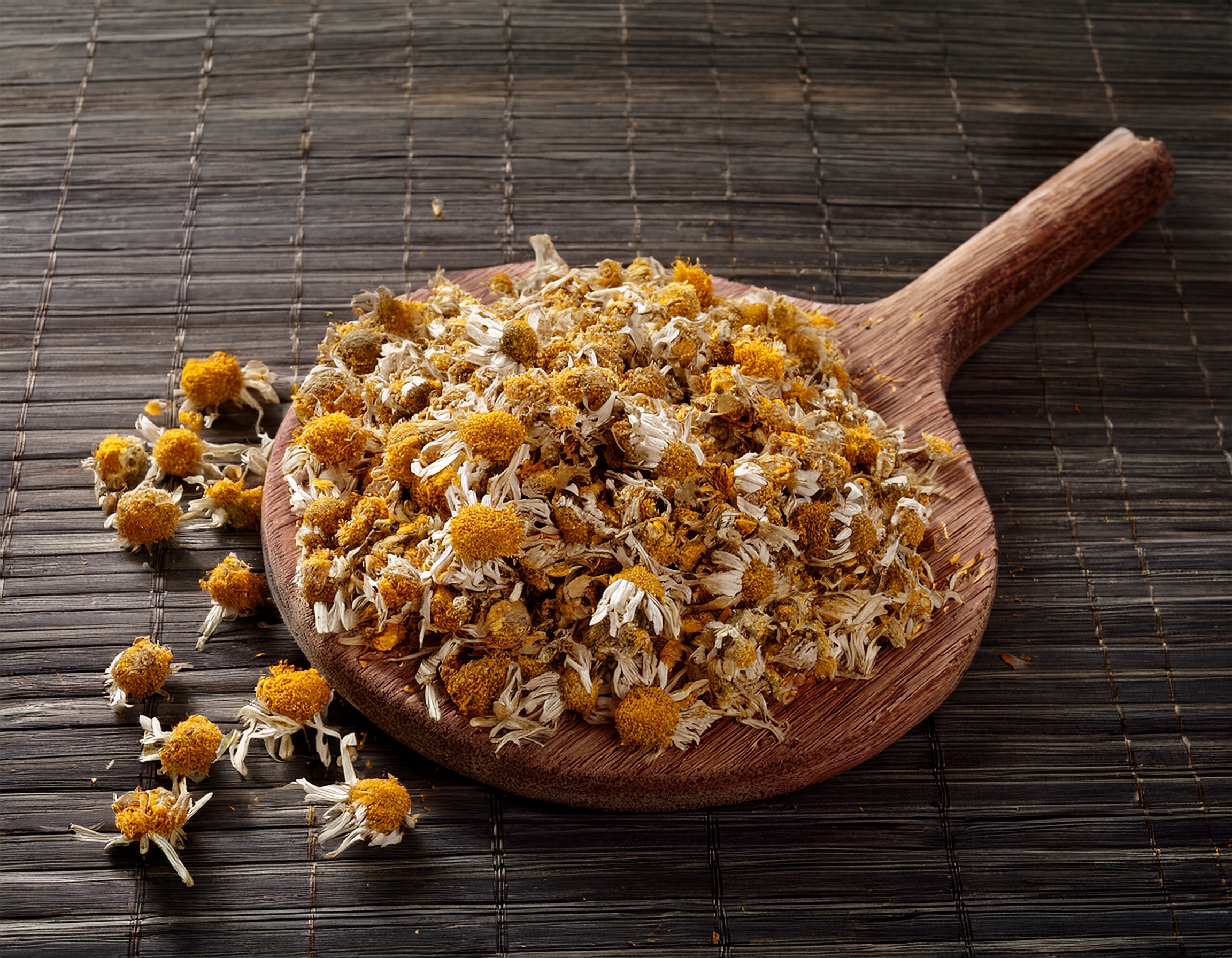
- Add 1 chamomile tea bag or 1 to 2 teaspoons of dried chamomile flowers.
- Steep for 5 to 10 minutes.
- Remove the bag or strain the flowers.
- Sip slowly while the tea is warm, not scalding hot.
Loose flowers make a lovely cup, but they need straining. If you prefer less flavor, start with the shorter steeping time. A lighter brew is often easier on a sensitive stomach.
Small changes that may make it gentler
Keep the cup plain at first. Too much sugar can make a soothing tea feel heavier. If you want a touch of sweetness, a small amount of honey may work for some people, though not everyone tolerates it well.
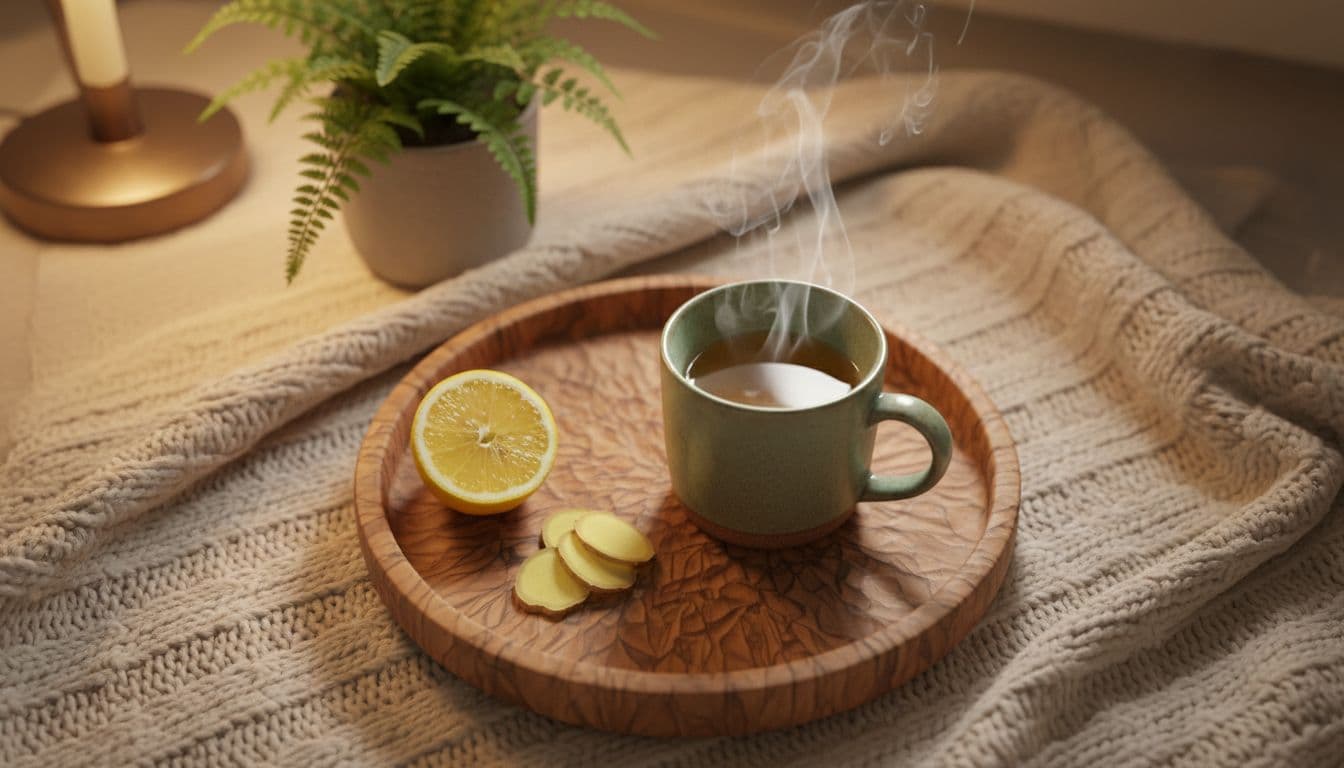
A little ginger can also be helpful for some stomachs, but it is not right for everyone. If your stomach burns easily, keep the recipe simple. One herb at a time makes it easier to notice what helps and what does not.
How to use chamomile safely when your stomach is sensitive
When your stomach is already irritated, more is not always better. Start with one small cup and give it time. That simple approach helps you see whether chamomile feels calming or whether it makes symptoms worse.
If the tea feels fine, you can try another cup later in the day. Still, daily use should stay moderate. A sensitive stomach often prefers steady gentleness over strong doses.
How much to drink at first
Begin with 1 cup. Drink it slowly, then wait to see how you feel over the next hour or two. If you notice less tightness or less nausea, that is a good sign.
If the cup causes more nausea, bloating, or cramping, stop. Your body is giving you useful feedback.
When to stop and get medical help
Home care has limits. Severe stomach pain, repeated vomiting, black stools, trouble swallowing, or pain that keeps returning needs medical attention. Those signs can point to something more serious than simple irritation.
If your symptoms last more than a few days, get checked. Gastritis can have several causes, and some need treatment beyond tea.
Who should be careful with chamomile tea
Chamomile is gentle for many people, but it is not a fit for everyone. The biggest issues are allergies, medicine interactions, and caution during pregnancy or breastfeeding.
Allergies and plant family cross-reactions
Chamomile can bother people who react to ragweed, daisies, chrysanthemums, or similar plants. A mild reaction may look like itching, swelling, or hives. In rarer cases, symptoms can be stronger.
If you already know you react to those plants, skip chamomile or ask a clinician first. A calm tea is not worth a flare of allergic trouble.
Medicine interactions worth checking
Chamomile may not mix well with blood thinners, sedatives, or other medicines that can interact with herbs. That matters if you take prescriptions every day.
A pharmacist can often tell you quickly whether chamomile is a safe choice. If you are pregnant or breastfeeding, ask before using it often.
Other habits that can support gastritis recovery
Tea helps most when the rest of your day stays gentle. Smaller meals, slower eating, and less alcohol can all ease stomach strain. Caffeine and very spicy foods may stir things up, so it helps to limit them during a flare.
Rest matters too. A slow walk after eating, a few calm breaths, or a quiet break before bed can all support comfort. These small habits are simple, but they often make the difference between a steady stomach and a sore one.
Conclusion
Chamomile tea can be a comforting choice when gastritis feels mild and your stomach wants something soft. Its main strength is its gentleness, not any promise to cure the problem.
Start small, brew it plainly, and pay attention to your body. If symptoms are severe, keep returning, or come with warning signs, get medical care instead of relying on home remedies alone.
Stay Connected for More Natural Living Inspiration
If you enjoyed this post about herbal wellness and love discovering natural ways to refresh your home and wellness, don’t miss out on future recipes and clean-living tips! Subscribe to the blog for weekly DIYs, wellness inspiration, and herbal remedies delivered straight to your inbox.
Don’t forget to visit my Amazon for the links to my favorite essential oils, herbal teas, natural recipes, YouTube ambiance videos for sleeping; a project I created to help with insomnia symptoms and the second channel, Rooted in Nature YouTube Channel both channels feature herbal recipes for wellness and home. And if you’re interested in essential oils along with herbal teas, feel free to visit my other website DI Writes and Blogs.
Thanks for coming by!
Leave a Reply
You must be logged in to post a comment.