(DISCLAIMER: I am not a doctor, and you should consult your healthcare professional before starting any health regimen.)
Key Takeaways
- Burdock root may help calm breakouts by supporting inflammation balance and skin comfort.
- Its plant compounds may also help limit acne-related bacteria, based on lab and small human studies.
- Tea is the easiest way to start, and cooled tea can also be used on skin.
- Patch test topical use first, especially if your skin reacts to Botanicals.
- Check with a professional if you are pregnant, take blood thinners, or have ragweed allergies.
Stubborn breakouts can feel unfair, especially when your skin stays oily and angry no matter what you try. That is why many wellness-minded readers turn to Burdock Root for Acne, a bitter herb with a long history as a natural remedy for acne in traditional Chinese medicine.
People use this versatile herbal medicine for tea, gentle washes, and simple home care routines. They usually want one thing: calmer skin without harsh steps that leave the face tight or dry.
Burdock root is not a miracle fix, and it does not replace basic acne care. Still, it may help support skin from the inside and outside, and that makes it worth a closer look.
How Burdock Root May Help Fewer Breakouts
Burdock root gets attention because it works on more than one skin concern at once, thanks to its anti-inflammatory properties. It may help with redness, swelling, and the kind of oiliness that feeds clogged pores, making it useful for various skin conditions like acne, eczema, and psoriasis. That matters, because acne often grows in a mix of inflammation, bacteria, and stressed skin.
Its benefits seem to come from plant compounds, including antioxidants and peptides, that support the skin’s calm side. These bioactive elements help protect cells from damage. Other natural compounds may also help the skin stay steadier when it feels irritated or reactive, even for seborrheic diseases.
Some people also use burdock root as part of a broader herbal routine. It fits well with gentle habits, like simple cleansing, enough water, and less skin stripping.
What its anti-inflammatory compounds may do
Inflamed pimples often look red, sore, and swollen. Burdock root may help ease that flare-up feeling, especially for chronic inflammation or hormonal acne. Its antioxidants and other active plant compounds appear to calm the signals that drive irritation.
That can matter for skin that gets angry fast. If your face reacts to weather changes, harsh products, or too many treatments, a gentler herb may feel easier to live with. It will not erase acne overnight, but it may help take the edge off.
How it may fight acne-causing bacteria
Lab research suggests burdock root may slow the growth of bacteria linked to breakouts through its antibacterial activity, particularly against Propionibacterium acnes (now known as Cutibacterium acnes). It may also disrupt biofilm formation, the sticky layer Propionibacterium acnes uses to stick around. That is one reason researchers keep looking at it for acne-prone skin.
The evidence is still limited, so it should not be treated like a drug. Even so, the findings are promising enough to explain why burdock root keeps showing up in herbal skin care conversations.
Why detox support matters for skin health
Traditional herbal use often links burdock root to the body’s natural cleanup systems as a detoxifying herb and blood purifier. People have long used it when skin feels congested or dull, especially since it may influence the gut-skin axis. The idea is simple, even if the word “detox” gets overused.
Supporters of this herb think it may help the liver, kidneys, and digestion do their jobs well. That can matter for skin, because breakouts often worsen when the body feels out of balance. A cup of burdock root tea can fit into that kind of routine, especially alongside other skin-friendly herbs like dandelion tea for clearer skin.
The skin-friendly nutrients and compounds inside burdock root
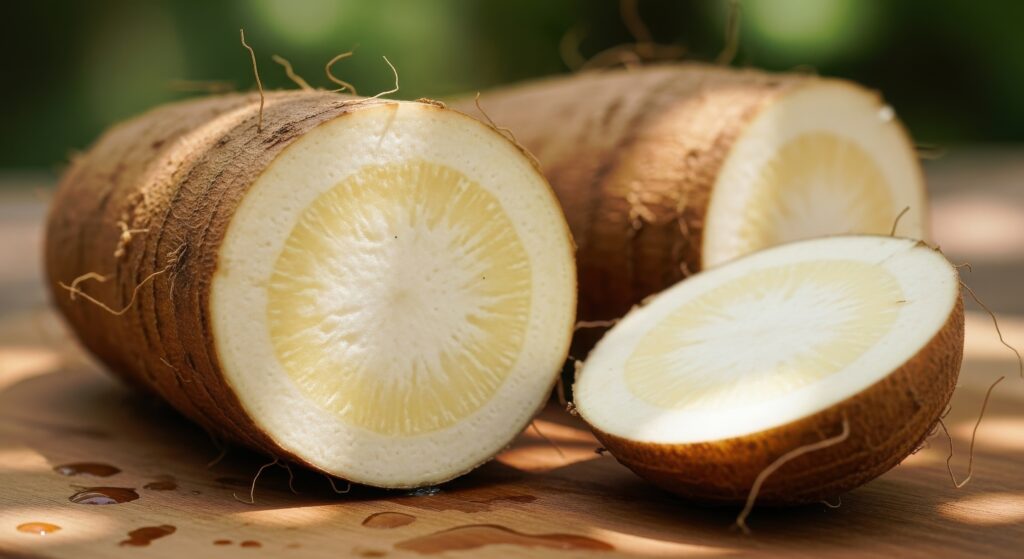
Burdock root, known scientifically as Arctium lappa or Arctium lappa L., brings more than acne talk to the table. It also contains useful nutrients that support the body in steady, practical ways. That matters because skin rarely improves in isolation. It usually reflects what is happening across the whole system.
One of the best-known compounds in burdock root is inulin, a prebiotic fiber that supports gut health. It also contains antioxidants such as quercetin and luteolin, peptides, minerals, and small amounts of vitamins. Together, those compounds help make it a useful herbal food, not just a skin herb.
People often notice burdock in tea blends, soup stock, or simple dried root preparations. That makes it easy to work into daily habits without turning your routine upside down.
Antioxidants that help protect skin from stress
Skin faces stress all day long. Sun, pollution, poor sleep, and inflammation can all leave a mark. That wear and tear creates oxidative stress, which is a fancy way of saying the skin has to fight off too much damage from free radicals.
Burdock root contains antioxidants that may help with that fight through their antioxidant activity. They do not replace sunscreen or a good routine, but they may help skin stay calmer over time. For acne-prone readers, that kind of steady support can matter as much as fast treatment.
Fiber, minerals, and other nutrients that support balance
Burdock root also gives you fiber, plus minerals such as potassium, magnesium, and iron. Those nutrients support more than skin alone. They help the body stay balanced, and that balance often shows up in the mirror.
Fiber is especially useful because it supports digestion. Many natural wellness routines connect gut comfort with clearer skin. That link is not magic, but it makes sense that a body that feels settled often looks better too.
Simple ways to use burdock root for skin support
The easiest place to start is tea. After that, you can try cooled tea on the skin or use it in a simple mask. Keep everything gentle. More is not better here.
If you already enjoy herbal routines, burdock root can sit beside other plant-based habits. Some readers who like botanical skin care also explore myrtle essential oil for clear skin, but keep essential oils separate from burdock tea and always dilute them well.
A basic burdock root tea recipe
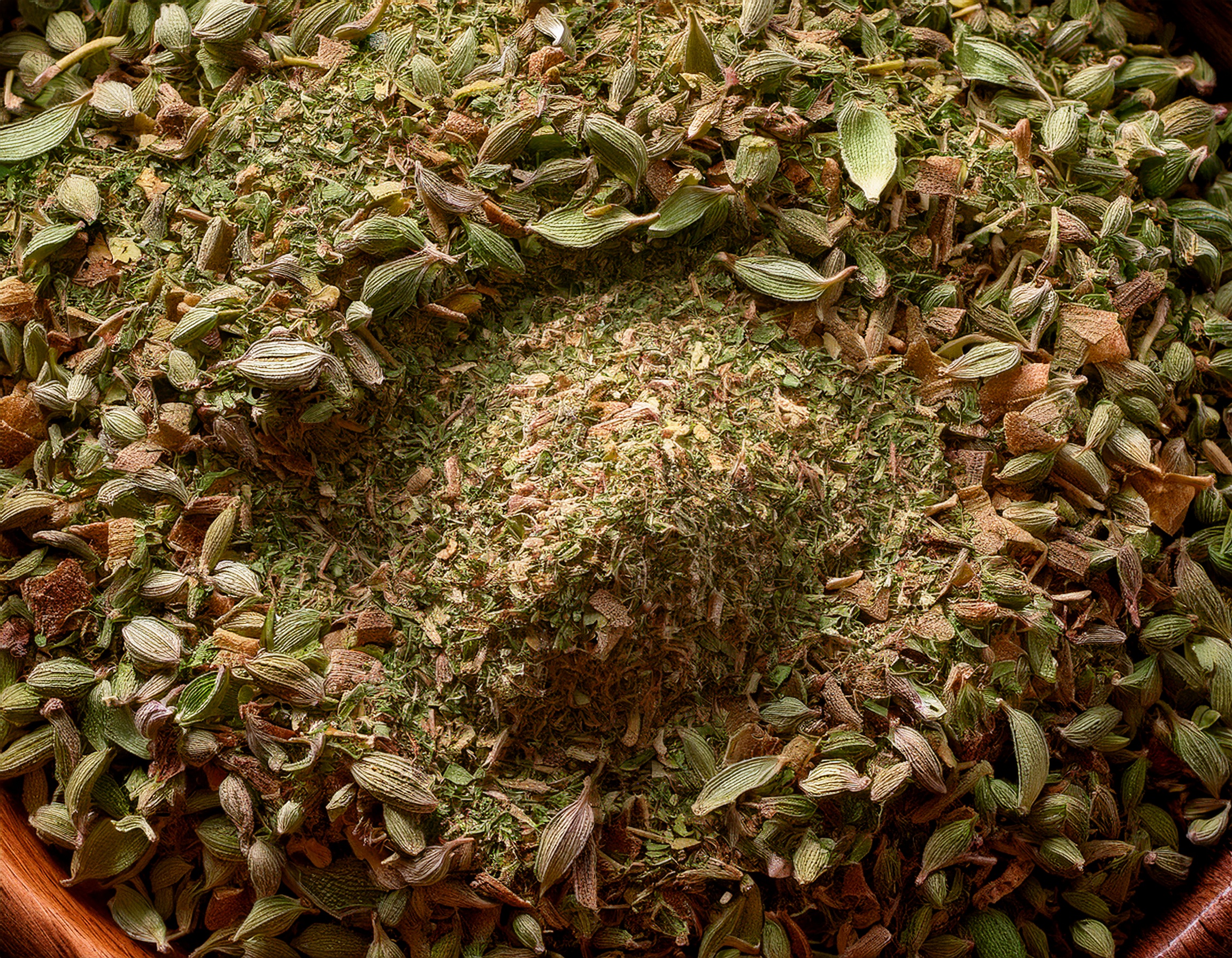
Start with 1 to 2 teaspoons of dried burdock root, or a small handful of fresh chopped root. Add it to 2 cups of water and bring it to a gentle simmer. Let it simmer for 10 to 15 minutes, then strain.
Many people drink 1 cup a day at first. If it feels fine, you can use it a few times a week. Consistent use of herbal remedies typically requires several weeks to months before skin results become visible. The taste is earthy and bitter, so some people add lemon or a little honey.
How to use burdock root on the skin
Let brewed burdock tea cool fully before you use it on your face. Burdock contains specific peptides that contribute to its antibacterial activity. Then dip a clean cotton pad in it and apply it as a light face rinse, a compress as an active dressing for spot treatment, or a spot-soothing wash.
This should feel gentle, not tingly or hot. Always patch test first on the jawline or inner arm. If your skin stings, itches, or reddens, wash it off and stop using it.
Easy mask and blend ideas for breakout-prone skin
A few simple blends can make burdock root easier to use:
- Burdock tea and honey: Mix cooled tea with a small spoon of raw honey. Apply a thin layer for 10 minutes, then rinse.
- Burdock tea and oatmeal: Blend cooled tea with finely ground oats for a soft mask that feels less drying.
- Burdock tea compress: Soak a clean cloth in cooled tea and place it on irritated areas for a few minutes.
These ideas are mild and affordable. They work best when your skin wants comfort, not a strong treatment.
What to know before trying burdock root
Burdock root is generally considered safe for many adults, but it still deserves respect. Herbs can cause side effects, especially in dietary supplements like burdock root capsules or concentrated extracts, or when you mix them with medicines. Large amounts may upset the stomach in some people.
Pregnant people should avoid casual use unless a clinician says it is okay. People who take blood-thinning medicine should also ask first. The same goes for anyone with allergies to the Asteraceae family, since burdock belongs to this family and may trigger a reaction in sensitive people.
Who should be careful or avoid it
Be extra cautious if you are pregnant, planning surgery, or taking medication that affects bleeding. Also be careful if you react to plants in the daisy family, including ragweed.
If you have sensitive skin, patch testing matters even more. A herb that feels fine in tea can still irritate the skin.
How to use it safely without overdoing it
Start with a small amount, then watch how your body responds. Use one cup of tea or one gentle topical test at a time. That gives you a clearer read on what works.
Stop if you notice more redness, itching, or stomach upset. Simple use is usually the safest path with herbs, and it is often the easiest one to stick with.
Frequently Asked Questions
How long does it take to see results from burdock root for acne?
Burdock root is not a quick fix, and consistent use over several weeks to months is typically needed before skin improvements like reduced redness or fewer breakouts may appear. Factors like your diet, stress, and overall routine play a role, so pair it with gentle habits for the best support. Track changes patiently, as herbal remedies work steadily rather than overnight.
Is burdock root safe during pregnancy or while taking medications?
Pregnant people should avoid burdock root unless approved by a healthcare professional, due to limited safety data. It may interact with blood thinners or affect bleeding, so check with your doctor if you’re on medications. Always start small and monitor your body’s response.
Can burdock root cause allergic reactions?
People allergic to the Asteraceae family, like ragweed, may react to burdock root with itching or redness. Patch test topical uses on your inner arm first, and stop if irritation occurs. Most find it gentle, but sensitivity varies.
What’s the best daily amount of burdock root tea to start with?
Begin with 1 cup of tea per day, made from 1-2 teaspoons of dried root simmered for 10-15 minutes. If it feels good after a week, use it a few times weekly. Avoid large amounts to prevent stomach upset, and stay hydrated.
Conclusion
Burdock root can offer supportive benefits for clearer skin, particularly with breakouts that involve redness and irritation. Its strength is in providing consistent support, rather than instant fixes.
Start with a simple tea or a cooled rinse for gentle use. Stay mild with your approach, monitor your skin’s response, and follow basic safety guidelines. Clearer skin often results from consistent small habits, and burdock root fits well into that routine.
Stay Connected for More Natural Living Inspiration
If you enjoyed this post about herbal wellness and love discovering natural ways to refresh your home and wellness, don’t miss out on future recipes and clean-living tips! Subscribe to the blog for weekly DIYs, wellness inspiration, and herbal remedies delivered straight to your inbox.
Don’t forget to visit my LinkTree for the links to my favorite essential oils, herbal teas, natural recipes, YouTube ambiance videos for sleeping; a project I created to help with insomnia symptoms and the second channel, Rooted in Nature YouTube Channel both channels feature herbal recipes for wellness and home. And if you’re interested in essential oils along with herbal teas, feel free to visit my other website DI Writes and Blogs.
Thanks for coming by!
Leave a Reply
You must be logged in to post a comment.