(DISCLAIMER: I am not a doctor, and you should consult your healthcare professional before starting any health regimen. Product links are commissioned and supports the blog)
Key Takeaways
- It has a mild anise flavor with hints of sweetness, pepper, and soft licorice.
- French tarragon is the best-known choice for cooking, while Russian tarragon is easier to grow but often weaker in flavor.
- Fresh tarragon pairs especially well with poultry and fish, shining in egg dishes, chicken salad, dressings, butter, and light sauces.
- Some people explore its potential health benefits through culinary use in gentle wellness routines, often for digestive support and appetite comfort after meals.
- This is the safest place to start, and stronger herbal products should be used with extra care and qualified guidance.
It has a quiet kind of beauty. Its soft green leaves don’t shout like basil or rosemary, yet one pinch can shift a whole dish. Its unique flavor profile is light, sweet, a little peppery, and touched with licorice, like spring air passing through a kitchen window. Here we explore how to use tarragon to bring that elegance to your table.
That gentle charm is why this herb, one of the finest fresh herbs, keeps showing up in cooking and herbal traditions. People love it in sauces, eggs, fish, and chicken, and some also sip it in simple home preparations for after-meal comfort. Let’s make this herb easy to know, use, grow, and enjoy its subtle licorice flavor.
What tarragon is, how it tastes, and the types worth knowing
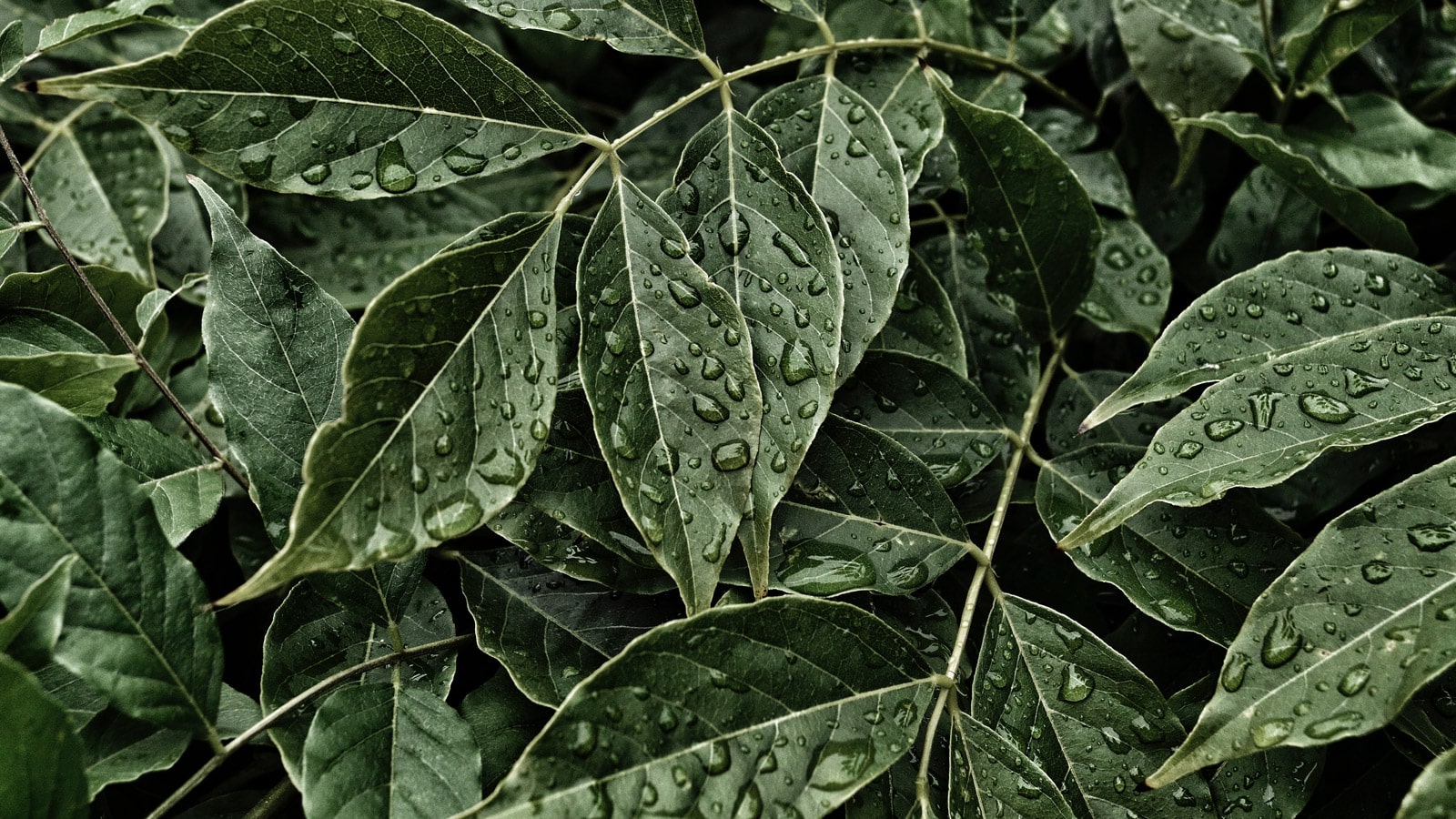
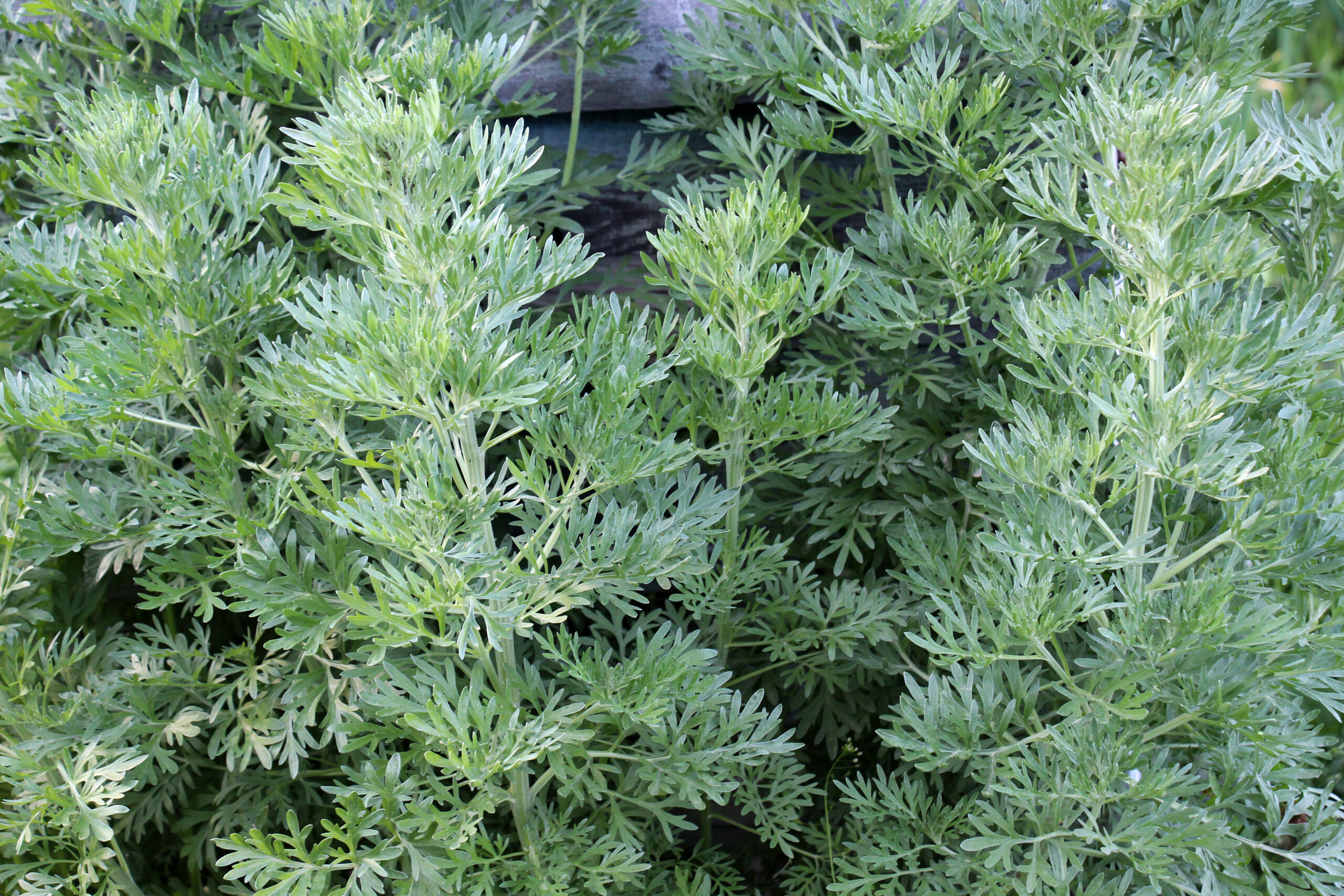
Tarragon, or Artemisia dracunculus, is a perennial herb in the sunflower family. That surprises many people. Its leaves are long, narrow, and smooth, not bright and flashy. At first glance, it can look almost plain. Then you crush a leaf between your fingers, and the scent lifts right away.
The flavor is easy to recognize once you’ve tasted it. Its unique flavor profile brings a soft sweetness, a faint peppery edge, a gentle licorice flavor, and subtle anise flavor with vanilla notes. It doesn’t hit as hard as fennel or anise. Instead, it lingers in the background and makes other flavors feel more polished.
That’s why cooks use it with foods that don’t need a heavy herb. Eggs, chicken, fish, potatoes, mushrooms, and creamy sauces all welcome it. It also plays well with butter, lemon, white wine vinegar, and dijon mustard. In French cuisine, it’s a classic partner in béarnaise sauce and as a component of fines herbes, elevating other rich but balanced dishes.
In 2026, it is gaining more attention in home kitchens because people want herbs that feel special without being hard to use. It fits the mood. A little chopped herb can make a simple dinner feel cared for, almost dressed for company, even if it’s only a weeknight plate of eggs and toast.
French tarragon vs Russian tarragon
If you only remember one thing, remember this: French tarragon is the kitchen favorite.
French tarragon has the fuller flavor people expect. It smells sweeter, tastes more refined, and brings that classic soft anise note. If you’re buying fresh sprigs for cooking, this is usually the one you want.
Russian tarragon is easier to grow and often tougher in rough conditions. Still, its flavor is weaker and sometimes a bit flat. It may look similar, but the taste won’t give you the same result in the pan.
For home gardeners, that difference matters. If your goal is better meals, choose this variety from a starter plant or cutting when possible. Russian tarragon may fill space in the garden, but French tarragon earns its place at the stove.
Fresh, dried, or infused, which form works best
Fresh tarragon is where the magic lives. Among fresh herbs, the leaves taste brighter, more aromatic, and more alive. Use them in scrambled eggs, salad dressing, fish, roast chicken, or a spooned-over sauce right before serving.
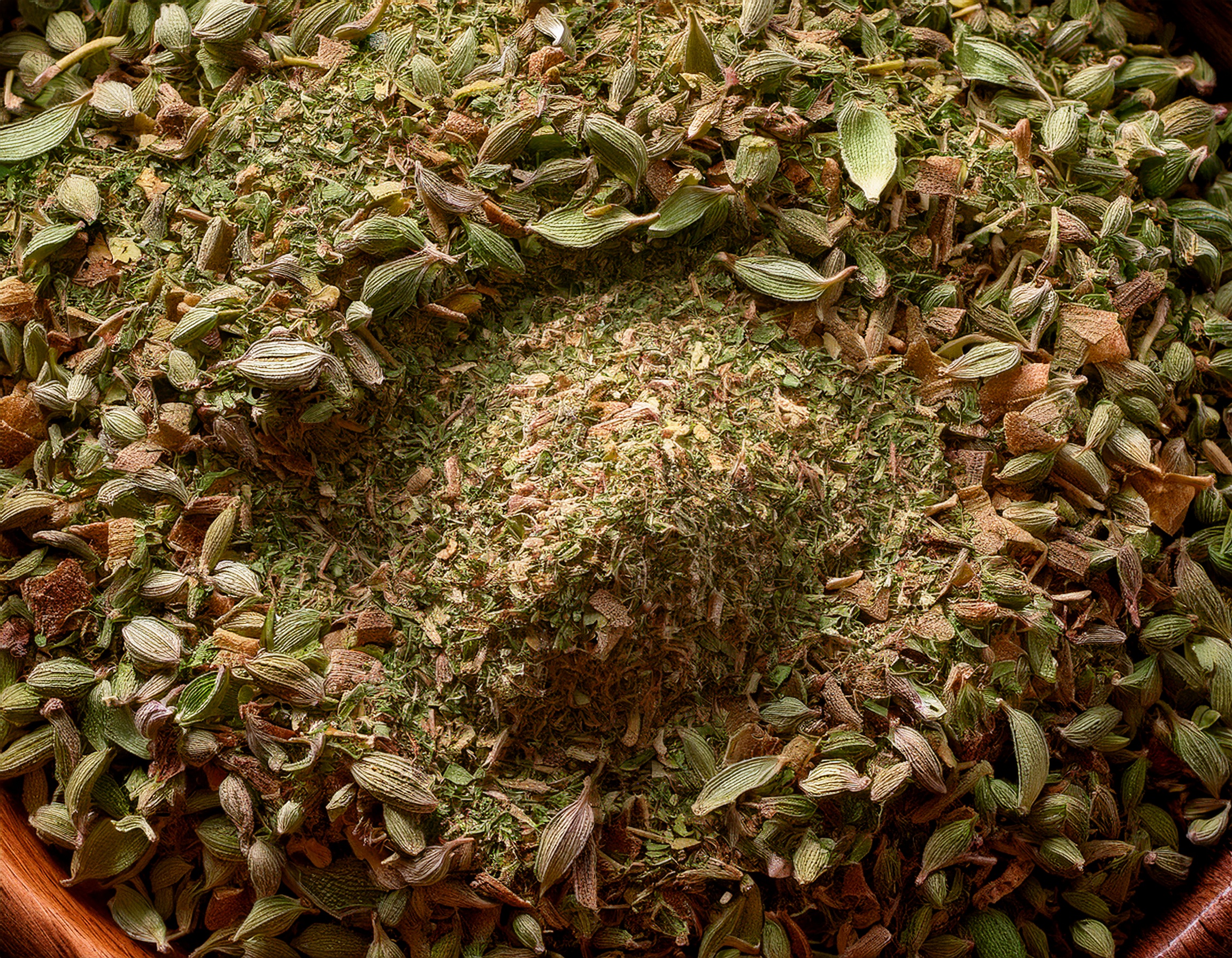
Dried tarragon still has a place, though it’s gentler and less vivid. If fresh isn’t around, dried leaves can work in soups, creamy sauce, or baked chicken. Use less than you think you need, then taste.
Infused forms are also popular. Tarragon vinegar is a smart one to keep on hand because it captures the herb’s scent in a sharp, clean way. A splash can wake up salad greens, potato salad, or a pan sauce. Some people also blend it into herbal vinegars or tea mixes so the flavor stays close even when the plant isn’t in season.
How to use tarragon in everyday cooking and herbal living
Tarragon shines most when you keep things simple. It doesn’t want to fight for attention. Instead, it slips into creamy, lemony, or buttery foods and makes them taste more graceful. That’s why it shows up so often in French-style cooking. Learning how to use tarragon through these easy tarragon recipes is perfect for the home cook. You don’t need restaurant habits to use it well. Think of tarragon as a silk scarf for plain meals. A little changes the mood.
Quick Ways to Use Tarragon
Start small because tarragon has a distinct voice. Too much can make a dish taste sharp or slightly medicinal. A teaspoon or two of chopped fresh tarragon is often enough for a meal serving two to four people.
- For an easy breakfast, stir chopped fresh tarragon into scrambled eggs near the end of cooking. Add a little butter and black pepper, then finish with a squeeze of lemon. The eggs taste softer and brighter, almost like they’ve been lifted.
- For dinner, tuck fresh tarragon under the skin of a roast chicken with butter, garlic, and a thin slice of lemon. As the bird cooks, the herb perfumes the meat without taking over. White fish works the same way. Brush a fillet with olive oil, add salt, then scatter chopped tarragon and bake until flaky.
- Salad dressing is one of the easiest places to begin. Whisk olive oil, lemon juice, Dijon mustard, a touch of honey, and chopped fresh tarragon. Tarragon vinegar often uses white wine vinegar as a base for an infused twist. Pour it over tender greens or spoon it into a classic chicken salad.
- Tarragon butter is another low-effort win. Mash softened butter with chopped tarragon, lemon zest, and a pinch of salt. Chill it, then melt a slice over hot potatoes, grilled fish, or steamed vegetables.
Add fresh tarragon near the end of cooking. Long heat can dull its flavor and sometimes turn it bitter.
If you like herb-centered meals, tarragon also pairs well with chives, parsley, and dill in creamy sauces. Keep the mix light. The goal is balance, not a crowded garden on the plate.
Exploring Tarragon for Wellness Support
Beyond cooking, tarragon has a long history in traditional herbal use for its potential health benefits. People have brewed culinary herbs into teas, vinegars, and mild home preparations for generations, often for comfort more than drama.
With tarragon, the interest usually centers on digestion, appetite, and feeling more settled after meals. That makes sense because aromatic herbs often feel warming and soothing when food sits heavy. Still, it’s best to keep expectations gentle. Tarragon is not a cure, and culinary use remains the simplest place to start.
One easy option is tarragon vinegar. Place a tarragon sprig in a bottle of white wine vinegar, let it steep, then use a small splash in dressings or over cooked vegetables. Some people also steep a small amount of fresh tarragon in hot water for a mild herbal tea, though the taste can turn bitter if you use too much or brew it too long.
If your interest leans toward after-meal comfort, this guide to top herbal teas for digestion offers more gentle options that fit well with a natural living routine.
For wellness seekers, tarragon works best as part of a bigger picture, good meals, steady habits, and herbs used with care.
How to grow, store, and use tarragon safely
Tarragon is friendly once you understand what it likes. Buy it well, store it well, and use it with a light hand, and it gives back plenty.
Easy growing and storage tips for better flavor
French tarragon, a staple in any herb garden, prefers sun, light soil, and moderate watering. It doesn’t enjoy wet feet, so good drainage matters. If the soil stays soggy, the roots can struggle, and the flavor may weaken.
Many gardeners start it from cuttings, divisions, or nursery plants because seed-grown plants may not stay true to type. That means you can plant “tarragon” from seed and end up with something less flavorful than you hoped for.
A pot works nicely if you have a bright patio or sunny windowsill. Pinch the tarragon leaves now and then to keep the plant bushy. Also, harvest tarragon leaves often during the growing season. Frequent clipping helps fresh growth come in.
Once picked, treat the fresh tarragon sprigs like tender greens. Wrap them loosely in a damp paper towel, place them in a bag or container, and store them in the fridge. They usually keep well for several days. If you have extra, preserve the leaves in vinegar or freeze chopped leaves in butter or olive oil.
If you dry it, keep the leaves away from direct light and heat. Dried leaves won’t taste as lively as fresh, but they can still be useful for winter soups and sauces.
How do you substitute tarragon in a recipe?
If a recipe calls for tarragon but you don’t have it on hand, chervil offers a mild anise-like flavor that’s quite similar. Alternatively, try a mix of parsley and fennel seeds for a close approximation.
Who should use extra care with tarragon
For most people, normal culinary use is the main focus. That means adding the herb to food in small, everyday amounts.
Use extra care with strong herbal products, supplements, essential oils, or concentrated preparations. That matters even more during pregnancy, while nursing, for children, or if you manage health conditions or take medicines. In those cases, a qualified healthcare professional can help you decide what fits your situation.
A good rule is simple: enjoy tarragon as a food first, and treat stronger forms with more respect.
Tarragon may look modest, but it can change a meal with barely a whisper. Its soft anise note lifts eggs, chicken, fish, dressings, and butter without making the plate feel busy.
That’s part of the appeal. You don’t need much, and you don’t need much skill. Start with a small pinch, let it brighten one simple dish, and you’ll see why this quiet herb has held its place for so long.
Frequently Asked Questions
What is the difference between French tarragon and Russian tarragon?
French tarragon offers the fuller, sweeter flavor profile with refined anise notes that cooks love most. Russian tarragon grows more easily but delivers a weaker, sometimes flatter taste. For better meals, choose it from cuttings or nursery plants rather than seeds.
Is fresh tarragon better than dried, and how should I store it?
Fresh tarragon shines brightest with its lively aroma and soft licorice touch, perfect for eggs, fish, and sauces added near the end of cooking. Dried works in a pinch for soups or stews but use half as much since its flavor fades. Store fresh sprigs wrapped loosely in a damp paper towel in the fridge for several days, or infuse in vinegar for longer use.
What are simple ways to use tarragon in everyday cooking?
Stir chopped tarragon into scrambled eggs with butter and lemon, or tuck it under roast chicken skin for gentle perfume. Whisk it into salad dressings with dijon mustard and white wine vinegar, or mash into butter for potatoes and fish. Start with a teaspoon for two to four servings to let its subtle sweetness lift without overpowering.
Can tarragon support wellness, and who should use caution?
Tarragon appears in gentle herbal traditions for after-meal digestion comfort, like a mild tea or vinegar splash, but keep its culinary use light. Stronger forms like supplements need extra care, especially during pregnancy, nursing, or with medications; consult a professional. Culinary amounts remain the safest, most elegant way to enjoy its benefits.
Stay Connected for More Natural Living Inspiration
If you enjoyed this post about herbal wellness and love discovering natural ways to refresh your home and wellness, don’t miss out on future recipes and clean-living tips! Subscribe to the blog for weekly DIYs, wellness inspiration, and herbal remedies delivered straight to your inbox.
Don’t forget to visit my LinkTree for the links to my favorite essential oils, herbal teas, natural recipes, YouTube ambiance videos for sleeping; a project I created to help with insomnia symptoms and the second channel, Rooted in Nature YouTube Channel both channels feature herbal recipes for wellness and home. And if you’re interested in essential oils along with herbal teas, feel free to visit my other websiteDI Writes and Blogs.
Thanks for coming by!
Leave a Reply
You must be logged in to post a comment.