(DISCLAIMER: I am not a doctor, and you should consult your healthcare professional before starting any health regimen. Product links are commissioned and supports the blog)
Key Takeaways
- Lavender is best known for supporting calm and sleep, especially through scent.
- People often use it in teas, baths, sachets, sprays, and diffusers.
- Research suggests lavender may help with stress relief, tension, and sleep quality for some people.
- For food and drinks, always choose culinary lavender from a trusted source.
- A small amount goes a long way, because too much lavender can taste soapy or sharp.
- Never swallow lavender essential oil, even if the plant itself is used in tea or recipes.
- If you use lavender oil on skin, dilute it first and stop if irritation starts.
Rub a sprig of the lavender plant between your fingers, and the scent changes the room. It smells soft, clean, and a little like a summer garden after heat and sun. That’s part of the lavender benefits; people keep reaching for it not only for beauty, but for rest, comfort, and simple daily rituals.
Many people use lavender to support calm, better sleep, and a gentler home routine, reflecting traditional uses of the lavender plant. Others stir it into tea, tuck it into sachets, or add a pinch to baked goods. Used well, it feels less like a trend and more like a quiet habit. Let’s look at what lavender may help with, how to use it at home, which recipes work best, and the safety basics that matter.
Exploring lavender benefits for the body and mind
Lavender has long been linked with rest, comfort, and quiet. That reputation isn’t only old folklore. Recent reviews and small clinical studies continue to support its use for stress relief and sleep support, especially when people inhale the scent before bed or during a calm routine. Key lavender benefits come from compounds such as linalool and linalyl acetate, which contribute to its calming effects on the nervous system.
That doesn’t mean lavender works like a switch. It’s better to think of it as a nudge. For some people, the smell helps the body ease out of high alert. Breathing slows. The shoulders drop. Bedtime feels less jagged. In that setting, lavender may support better sleep quality and a smoother wind-down, while also offering gentle anxiety relief through aromatherapy practices.
People also turn to lavender when tension is high or when stress seems to sit behind the eyes. Some small studies and reviews suggest it may help with mild headaches, migraine headaches, and stress-related discomfort, including symptoms of anxiety and depression. Its anti-inflammatory and antioxidant properties can provide subtle support, but it’s not a cure, and it won’t replace medical care for frequent headaches, severe anxiety, or sleep problems that keep coming back.
Part of lavender’s appeal is how easy it is to use. You can breathe it in through a diffuser, sip it as tea, add the dried buds to a bath, or keep it in a bedside sachet. Those uses blend plant compounds with ritual, and that combination matters. A warm cup, dim lights, and a familiar scent can tell your body it’s safe to slow down.
Lavender tends to work best as a gentle support, not a dramatic fix.
Why the scent of lavender feels so calming
The scent of lavender is often the main reason people love it. Aromatherapy research points to compounds such as linalool and linalyl acetate, which may help explain why the smell feels settling. In plain terms, lavender seems to help many people shift out of stress mode and into a calmer state.
That’s why lavender fits so well into evening habits. A few minutes with a diffuser, a warm bath, or a pillow sachet can become a signal that the day is done. The brain likes patterns. When the same scent shows up at bedtime, it may become part of a rest cue, like low light or quiet music.
Keep it simple. A short, steady routine usually works better than doing too much.
Other gentle benefits people often look for
Beyond sleep and stress, people often use lavender for small, everyday comforts. A warm lavender bath can ease end-of-day tension and promote skin health with its anti-inflammatory effects. A sachet in a drawer or closet adds a clean, herbal scent. Some people also like it outdoors, where strong herbal smells may make sitting outside more pleasant when bugs are around.
Traditional herbal use gives lavender a broad place in home wellness. Still, broad doesn’t mean unlimited. If something feels off, or symptoms are strong, it’s wise to stop and look for the real cause.
Broad Potential of the Lavender Plant
Lavender’s potential extends to other areas backed by preliminary research and traditional uses. Its antimicrobial activity supports wound healing, while anti-inflammatory and antioxidant properties may benefit skin health. Some studies explore lavender for managing blood pressure and addressing hair loss through topical applications. These lavender benefits highlight its role in gentle, holistic care, always best paired with professional advice for ongoing issues.
Simple ways to use lavender at home
Lavender fits into home life because it doesn’t ask for much. You don’t need a shelf full of gear. A small jar of dried lavender flowers or a bottle of diluted oil can go a long way.
Lavender tea is one of the easiest starting points. The flavor is floral, lightly sweet, and a bit piney. In the evening, a warm mug can feel like a softer version of “time to stop.” Baths are another easy option. The scent rises with the steam, and the whole room takes on that clean, quiet feel lavender is known for.
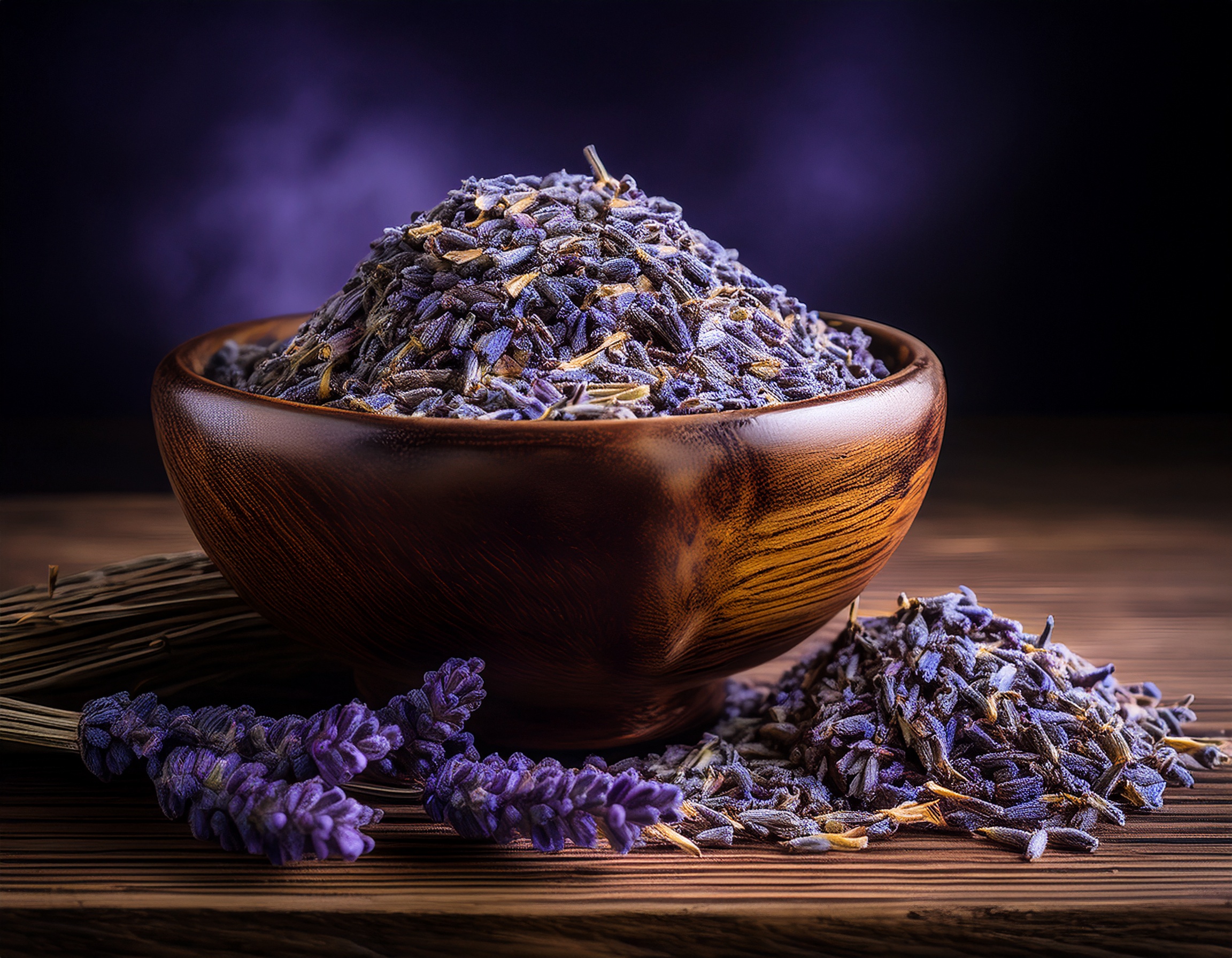
Sachets are simple too. Fill a small fabric pouch with dried lavender flowers and tuck it into a pillowcase, dresser drawer, or linen closet. The effect is subtle, which is often better. Lavender doesn’t need to shout.
Steam can also help create a calm moment. Add dried lavender flowers to a bowl of hot water and sit nearby, breathing normally. Keep your face at a safe distance, and skip this if steam bothers you. For many people, a diffuser or linen spray feels easier.
Easy lavender rituals for rest and relaxation
Low-effort rituals are often the ones that stick. A pillow sachet is the easiest place to begin. Slip one near your pillow, not directly under your nose, and let the scent stay light.
Lavender tea works well about an hour before bed. The tea itself is mild, and the routine matters as much as the herb. Hold the warm cup. Turn down the lights. Let the day end on purpose.
A warm bath can do the same thing. If you use lavender essential oil, mix a few drops first with a carrier oil or bath salt, then add that to the water. Never drip essential oil straight into the tub and climb in. It can sit on the skin undiluted and cause irritation. For extra calm, try an aromatherapy massage with the same diluted mix.
Diffusers are popular for aromatherapy. A short session, about 10 to 30 minutes in a well-ventilated room, is often enough.
How to use lavender around the house
Lavender also earns its place outside the bedroom. A light linen spray can freshen sheets, curtains, or guest towels. Dried lavender flowers in a closet sachet help clothes and blankets smell clean without a heavy perfume feel.
Some people also use lavender near patios, porches, or open windows because they enjoy the scent outdoors when insects are a bother. It won’t solve every bug problem, but it can make the space feel more pleasant.
Cooking with lavender without ruining the flavor
Cooking with lavender is where many beginners go wrong. The lavender plant smells soft in the garden, but the flavor can turn strong fast. Use too much, and a cookie or drink can taste like soap or perfume.
That’s why the first rule matters most: only use culinary lavender. Decorative dried lavender, craft lavender, and essential oil are not the same thing as food-safe dried buds. If you want to cook with it, buy lavender labeled for culinary use from a trusted source.
When used lightly, lavender has a floral, herbal taste with hints of mint and pine. It pairs best with bright or rich flavors that keep it grounded. Lemon is the classic partner. Honey works beautifully too. Berries, vanilla, cream, and butter also soften lavender’s sharper edges.
A good starting point is restraint. Think of lavender like rosemary in dessert form. You want a whisper, not a cloud. Chop the buds finely before baking or steeping. That spreads the flavor more evenly and keeps one bite from tasting too strong.
In recipes, less lavender almost always tastes better than more.
Best kinds of lavender for tea and recipes
Not all lavender tastes the same. Some varieties have a cleaner, sweeter profile, while others lean more camphor-heavy and can taste harsh in food. For most home cooks, the safest move is simple: buy dried culinary lavender buds and let the label guide you.
Many people prefer English lavender, often sold as Lavandula angustifolia, for tea and sweets. It tends to taste softer than more pungent types. Still, quality matters more than memorizing plant names. Fresh smell, clean buds, and a trusted seller count for a lot.
Two easy lavender recipes beginners can try
Here are two simple recipes that let lavender stay in balance.
Lavender tea
Ingredients:
- 1 teaspoon dried culinary lavender buds
- 1 cup hot water
- Honey or lemon, optional
Steps:
- Put the lavender in a tea infuser or directly in the cup.
- Pour over hot water and steep for 4 to 5 minutes.
- Strain if needed, then add a little honey or lemon.
Start with 1 teaspoon or less. If the taste feels strong, use less next time. Sipping lavender tea may support digestive health.
Lavender honey lemonade
Ingredients:
- 2 cups water
- 2 teaspoons dried culinary lavender buds
- 2 to 3 tablespoons honey
- 1/2 cup fresh lemon juice
- 2 cups cold water
- Ice, optional
Steps:
- Bring 2 cups of water to a near simmer.
- Remove from heat, add lavender, and steep for 5 minutes.
- Strain the liquid, then stir in honey while warm.
- Add lemon juice and the cold water.
- Chill and serve over ice.
This drink works because the lemon keeps the lavender bright, while the honey rounds it out.
Frequently Asked Questions
Is lavender safe to ingest?
Lavender is safe in small amounts when you use culinary-grade dried buds for tea or recipes from a trusted source. Never swallow lavender essential oil, as it’s highly concentrated and can be toxic. Start with less than a teaspoon and consult a healthcare professional if pregnant, breastfeeding, or on medications.
Can I use lavender essential oil on my skin?
Always dilute lavender essential oil in a carrier oil before applying to skin, and do a patch test first. It may support skin health through anti-inflammatory properties, but stop if irritation like redness or itching occurs. Keep it light—a few drops go a long way.
What’s the best way to use lavender for sleep?
Inhale lavender scent through a diffuser, pillow sachet, or warm bath about an hour before bed to support a calm wind-down. The aroma from compounds like linalool may help signal rest to your body. Pair it with a simple routine like dim lights for the best nudge toward better sleep quality.
How much lavender should I use in recipes?
Use a whisper of culinary lavender—start with 1 teaspoon or less per cup or batch, as too much can taste soapy. It pairs best with lemon, honey, or berries to keep flavors balanced. Chop buds finely and taste as you go.
Does lavender really help with anxiety?
Lavender may offer gentle anxiety relief through aromatherapy, backed by small studies on its calming compounds. It’s a supportive nudge for mild stress, not a cure, and works best in routines like tea or scent inhalation. See a professional for ongoing anxiety.
Lavender safety tips to know before you use it
Lavender is gentle for many people, but gentle doesn’t mean risk-free. The biggest safety point is simple: never swallow lavender essential oil. Lavender essential oil is highly concentrated and can be toxic, even in small amounts. A tea made from culinary lavender is not the same as taking the oil by mouth.
For skin use, always dilute lavender essential oil first. Its anti-inflammatory properties can support skin health, but mix it into a carrier oil before applying it to the body. If you have sensitive skin, do a patch test on a small area and wait 24 hours. Stop right away if you notice burning, itching, rash, or swelling.
Use culinary-grade lavender for food and drinks, and don’t assume all dried buds are meant for eating. Keep amounts small. Too much can upset the stomach and ruin the flavor anyway.
If you’re pregnant or breastfeeding, have a health condition such as menstrual pain, or take medication, talk with a qualified healthcare professional before using lavender often or in concentrated forms. That matters even more if you use sedating medicines or plan to use lavender heavily over time.
Store oils away from heat, flame, sunlight, and children. Use diffusers in a ventilated room, and keep the scent light.
When lavender may not be the right fit
Some people don’t feel better with lavender. They may get a headache from the smell, skin irritation from oil, nausea, or stomach upset from tea or food. These side effects mean lavender is not for everyone. Children can be more sensitive, and concentrated oil needs extra care around them.
If your body says no, listen. Natural products still need common sense.
Lavender shines when it stays simple. A pinch in tea, a sachet by the bed, or a small amount in a lemony recipe is often enough. Used that way, lavender can support calm and make daily life feel a little softer without taking over the room, the recipe, or your routine.
Start small and notice how you feel. Natural remedies can support wellness, but they don’t replace medical care when symptoms are ongoing, severe, or hard to explain.
Conclusion
Lavender benefits relaxation, promotes calm for body and mind, and offers gentle support for everyday wellness when used safely.
Stay Connected for More Natural Living Inspiration
If you enjoyed this post about herbal wellness and love discovering natural ways to refresh your home and wellness, don’t miss out on future recipes and clean-living tips! Subscribe to the blog for weekly DIYs, wellness inspiration, and herbal remedies delivered straight to your inbox.
Don’t forget to visit my LinkTree for the links to my favorite essential oils, herbal teas, natural recipes, YouTube ambiance videos for sleeping; a project I created to help with insomnia symptoms and the second channel, Rooted in Nature YouTube Channel both channels feature herbal recipes for wellness and home. And if you’re interested in essential oils along with herbal teas, feel free to visit my other websiteDI Writes and Blogs.
Thanks for coming by!
Leave a Reply
You must be logged in to post a comment.